
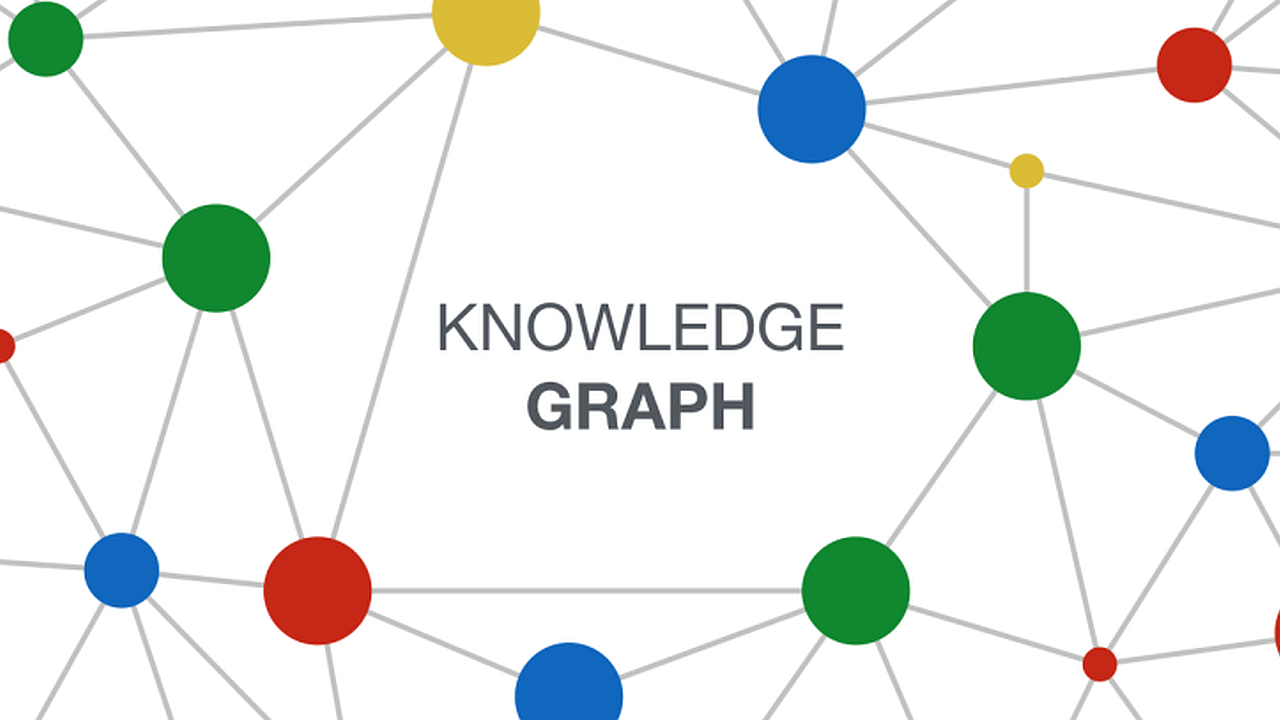
The Importance of Mind Mapping Apps for Idea Organization
Overview of Mind Mapping Techniques
Visual Thinking and Thought Arrangement
Imagine a C-level executive leading a high-stakes strategy session—dozens of ideas on sticky notes, meeting room walls cluttered, and priorities blurred. This scenario, familiar to many leaders, highlights the urgent need for a more systematic approach to capturing and structuring collective intelligence. Mind mapping apps are engineered to resolve this chaos. By leveraging mind mapping techniques—proven to mirror how the human brain associates concepts in a networked, non-linear fashion—these visualization tools help transform fragmented thoughts into clear, actionable pathways.
Research supports that visual thinking methods, such as digital mind mapping, can boost comprehension by up to 15% and memory retention by nearly 10% compared to linear note-taking (Buzan & Buzan, 2010). Starting from a central idea, a mind mapping tool lets your team branch out topics, organize data visually, and instantly regroup thoughts as strategies evolve. Features like drag-and-drop nodes, dynamic color-coding, and automated structure updates turn a simple diagram into an interactive knowledge model. For executives and teams with complex decision-making responsibilities, visual thinking apps are indispensable idea organization tools that convert ambiguity into structured insight.
Key Features of Mindmap Apps
User-Friendliness and Collaborative Capabilities
When choosing the best mind mapping software, usability is non-negotiable. For enterprise managers, a mindmap app should offer a learning curve of minutes—not hours—so teams can focus on strategizing, not troubleshooting. Leading personal productivity apps present intuitive interfaces, easy navigation, and rapid drag-and-drop diagramming, all essential in today’s fast-paced business contexts.
But the true power of digital mind mapping lies in collective intelligence. Collaborative mind maps have become mission-critical, especially for C-suite leaders steering cross-functional teams. Effective mind mapping tools enable real-time editing, threaded comments, version management, and detailed permission control—removing silos and surfacing the best ideas quickly. Seamless integrations with diagramming apps, cloud storage, project planning software, and communication platforms ensure knowledge flows effortlessly across your organization’s digital ecosystem.
Time-saving mind map templates are another key feature. Instead of reinventing the wheel, teams can tap into robust template libraries, streamlining brainstorming sessions, knowledge capture, and project kickoffs. These templates guarantee both speed and consistency, helping teams maintain a shared understanding from ideation to execution.
Types of Mind Mapping Tools
Comparing Free Mind Mapping Apps and Online Creators
The current landscape offers a spectrum of mind mapping tools—from free mind mapping apps to advanced online mind map creators and comprehensive project planning software. For individual use or lightweight collaboration, free mind mapping apps deliver a low-cost entry point, ideal for simple diagrams. However, these options often lack advanced export formats, analytics, integration capabilities, and granular collaboration tools crucial for enterprise needs.
By contrast, online mind map creators—typically browser-based—offer synchronized cross-device access and premium collaboration features. These solutions now extend into project planning software territory, merging thought process visualization with task management, analytics, and workflow automation. For example, recent data from Software Advice reveals that 70% of high-performing project teams rely on digital mind mapping and visual thinking apps to organize projects and facilitate collaborative brainstorming.
Organizations dealing with complex knowledge structures, heterogeneous data (PDFs, CSVs, proprietary databases), or AI-powered recommendations should move beyond basic free apps. At Weeki, we regularly see forward-thinking directors deploy collaborative and automated mind mapping solutions. Our combined software and expert-led services provide tailored frameworks to unify document chaos into an intuitive, interactive knowledge base, accelerated by AI and automation.
Ultimately, the best choice of mindmap app hinges on your team’s size, the complexity of your processes, and your appetite for scaling automation. Whether your goal is simple visual thinking or building a strategic, enterprise-grade knowledge foundation, mapping out your specific requirements is the first step to unlocking the full business value of digital mind mapping. For leaders ready to harness AI-driven idea organization, Weeki offers both advanced SaaS solutions and personalized support, ensuring your teams move seamlessly from information overload to strategic clarity.
Advantages of Digital Mind Mapping
Flexibility and Sharing Options
Boosting Productivity Compared to Traditional Methods
Picture this: you’re leading a complex project across regions, relying on emails, static docs, and analog mind maps. The result? Version confusion, lost insights, and wasted effort. Digital mind mapping changes the game for C-level leaders and managers seeking clarity, speed, and alignment.
The flexibility of a mindmap app is evident from the start. Unlike paper mapping tools or basic diagramming apps, digital mind mapping lets you instantly create, expand, or reposition nodes without redrawing or risking information loss. For instance, Gartner estimates that businesses adopting digital collaboration tools—including mind mapping apps—experience up to a 30% productivity increase within the first year.1 With an online mind map creator, updating your entire knowledge structure is as simple as dragging and dropping branches or attaching relevant files—tasks that once took hours now take seconds.
But digital mind mapping offers more than editing flexibility; it revolutionizes knowledge sharing and teamwork. Modern mind mapping tools are built for collaboration from the ground up. Team members, even in different time zones, can brainstorm together on the same mind map, comment on ideas, and see updates reflected in real time. This enables enterprises to break down silos and foster collective intelligence—vital for fast-paced decision-making and organizational agility.
From a project planning standpoint, cloud-based mind mapping tools track all changes and allow granular permission settings, so managers maintain control and IP security while inviting collaboration. You can embed a mindmap app across other business tools—presentations, project management software, or internal wikis—streamlining workflows and reducing duplicated work. According to McKinsey, companies leveraging digital collaboration platforms can reduce project cycle times by up to 35%.2 For busy managers, this means faster execution, higher engagement, and a direct impact on both employee satisfaction and project outcomes.
A digital mindmap app also enhances productivity by eliminating time-consuming admin tasks: no more merging feedback across chaotic email threads or deciphering handwritten notes. Instead, insights are captured, categorized, and made actionable in a single interactive map.
For organizations ready to centralize knowledge and automate business processes, Weeki offers a significant edge. By uniting a robust SaaS platform with tailored support and automation services, Weeki centralizes all your documents and knowledge assets, models them into interactive maps, and injects AI for deeper insights and process automation. Companies save hours each week, accelerate roadmaps, and ensure every decision is based on the latest, provable data—all within a secure and auditable environment.
Best Mind Mapping Software
Features Supporting Collaborative Mind Maps and Brainstorming Tools
Selecting the best mind mapping software isn’t just about digital diagrams—it’s about unlocking truly collaborative brainstorming and superior idea organization at scale. The top mindmapping apps combine user-friendly interfaces with advanced features that bring real business value.
Platforms like MindMeister and Miro have set new benchmarks, allowing distributed teams to co-edit mind maps, comment, assign tasks, and vote on ideas in real time. These platforms support integration with everyday business apps—Slack, Microsoft Teams, Trello, and Google Workspace are just a few—enabling seamless information flow. This convergence bridges mind mapping, project planning software, and personal productivity apps, creating a holistic solution for leaders who value both innovation and execution.
Key features found in the best mind mapping tools include customizable mind map templates, version control, permission management, and the ability to attach files or link knowledge bases. For example, research highlights that teams using collaborative mind maps generate 23% more actionable ideas during brainstorming sessions compared to those sticking to traditional whiteboards.3 Some digital mind mapping tools now provide embedded charts, timelines, and AI-driven suggestions, transforming brainstorming tools into visual thinking apps that turn raw concepts into strategic, executable plans.
Weeki stands at the forefront of these developments. Its solution does more than centralize knowledge; it turns every mind map into a living, governed asset. With Weeki, visualizations, documents, and data are linked and actionable—meaning AI agents can automate deliverables, produce analytics, and offer recommendations fine-tuned to your domain. Whether you need to run a literature review, streamline SOPs, or model complex business data, Weeki’s SaaS platform and tailored services adapt digital mind mapping to enterprise use cases—boosting ROI, accelerating time-to-value, and ensuring compliance.
The takeaway: mind mapping tools have evolved from simple idea organization tools to core components of enterprise strategy. For modern managers, deploying the right mindmap app translates into better collaboration, faster innovation, and measurable productivity gains. For companies aiming to standardize visual thinking while automating routine processes, comprehensive solutions like Weeki deliver both structure and strategic edge.
1 Source: Gartner, “Digital Workplace Trends,” 2023.
2 Source: McKinsey, “The social economy: Unlocking value and productivity through social technologies,” 2022.
3 Source: IBM Smarter Workforce Institute, “Collaboration and Its Effect on Innovation,” 2021.
Utilizing Mind Map Templates
Streamlining Idea Organization and Project Planning
Practical Guidance and Strategies for Teams
Have you ever wrapped up a brainstorming session only to face a mountain of sticky notes, slides, and emails—without a clear path forward? This is a common pain point for leadership and project teams, especially when projects cross departments or require rapid alignment. Enter the mindmap app, a digital ally for C-level executives and managers determined to transform fragmented ideas into precise, actionable plans. Leveraging mind map templates within your preferred mind mapping tool can save time, boost clarity, and truly accelerate project workflows.
A 2023 survey by Biggerplate found that 75% of professionals using digital mind mapping reported faster project planning and reduced confusion among teams1. That’s no surprise: the best mind mapping software provides a library of ready-made mind map templates—from project roadmaps to brainstorming diagrams—so no one starts from scratch. Industry leaders like MindMeister, Xmind, and Weeki have set the bar in providing user-friendly, customizable templates that teams can adapt to fit everything from strategy sessions to onboarding plans.
To maximize mind map templates with your mindmap app, consider these strategies:
- Connect Objectives to Templates Early: Before kicking off any project, select a mind map template that mirrors your outcomes. For example, when launching a product sprint, use a project planning software template pre-built with timelines, dependencies, and deliverables. For rapid ideation, select a brainstorming tool template built for mind mapping techniques—these are optimized for capturing divergent thought, then synthesizing common threads.
- Foster Real-Time, Collaborative Mapping: Choose digital mind mapping apps that support collaborative mind maps. With live co-editing, commenting, and structured feedback, your team’s diverse input shapes the flow—and everyone’s voice is captured. Research shows collaborative mapping increases idea retention by up to 23% compared to traditional whiteboarding2.
- Centralize Resources Within the Map: Modern mind mapping tools let you upload files, links, and notes directly onto template nodes. This transforms your mind map into a true knowledge hub. Imagine preparing for a client presentation: all reference documents, slide decks, and analytics dashboards are just one click away within the same visual thinking app.
- Standardize and Automate for Scale: Save your top mind map templates and automate repetitive workflows—such as recurring team meetings or periodic reporting. Over time, you build a library of reusable assets that serve as “blueprints” for new initiatives, multiplying personal productivity and institutional knowledge.
The impact is evident: teams move from static, disconnected files to an interactive ecosystem where idea organization and project execution are seamlessly linked. For organizations ready to take this further, a unified platform like Weeki bridges mind mapping with enterprise-grade collaboration and automation. Through its blend of SaaS software and expert services, Weeki centralizes knowledge, organizes documents and data (including CSVs, PDFs, internal databases, and web-scraped content), automates literature reviews, and models processes with powerful ontologies and interactive maps. This enables the creation of a secure Knowledge Portal—reducing search time by up to 50%—and offers built-in AI agents for instant analysis and process automation.
By leveraging mind map templates as part of a modern mindmap app, you unlock more than attractive diagrams; you empower your organization to align quickly, visualize strategies, and move from brainstorm to business impact. In a world of growing complexity, these digital mind mapping and idea organization tools are essential to stay ahead.
1. Biggerplate.com, “The Mind Mapping Software Benchmark Report 2023”
2. “Cognitive Impact of Digital Collaboration Tools in Project Management,” Journal of Organizational Behavior, 2022
Implementing Effective Mind Mapping Techniques
Strategies for Various Applications
Tailoring Mind Mapping for Specific Use Cases
Adopting a mindmap app goes far beyond just picking the right software—it’s about transforming the way your teams think, plan, and act. Let’s ground this with a real-world example: when a product management team gears up to launch a new service, they don’t just need visual thinking apps for creativity. They need mind mapping tools that let them flexibly capture ideas, link them to research, attach supporting data, and turn raw thoughts into actionable project plans. In fact, a 2022 Gartner report found that organizations using structured digital mind mapping increased project throughput by 37% thanks to enhanced clarity and reduced time-to-alignment.
Adapting mind mapping techniques means modeling every map to fit your specific workflow. For project planning, the best mind mapping software lets you design templates mirroring your team’s responsibilities. Drag and drop tasks under team clusters, link dependencies, and attach PDFs or spreadsheets—all within a unified map. For example, with a robust online mind map creator, you can set automated connections so changes to one branch reflect instantly elsewhere. This kind of dynamic diagramming not only streamlines delegation and milestone tracking but also aligns with how C-level leaders visualize accountability.
Highly-regulated or knowledge-driven industries—think consulting, finance, or pharma—demand more from mind mapping tools than basic brainstorming. Here, digital mind mapping platforms must centralize knowledge from multiple sources and structure it into a format that supports analytics, audits, and compliance. That’s where Weeki makes a real difference. Their Knowledge Portal & Ontologies solution centralizes fragmented documents (from SharePoint, Google Drive, or Confluence) into a secure, governed knowledge graph, reducing search time by up to 50% and improving information accuracy by up to 40%. Managers can instantly retrieve linked documentation, regulatory files, or internal policies—transforming documentation chaos into an actionable foundation for evidence-based decisions.
When teams are charged with producing executive reports or regulatory deliverables, automation can cut documentation time by up to 80%. That’s the promise of Weeki’s Deliverables Automation solution: it takes your mapped concepts, applies AI-driven logic, and generates ready-to-publish content in DOCX, PPTX, or PDF formats—all under strict compliance and traceability. The combination of human validation and automation ensures that every piece is both fast and auditable, creating a true “content factory” within your workflow.
Adaptability remains key for leaders seeking to implement mind mapping techniques tailored to their needs:
- Brainstorming: Enable collaborative mind maps within your mindmap app so every stakeholder contributes in real time, whether remote or onsite. Tools like Weeki and leading online mind map creators support concurrent editing, making collective ideation seamless—critical when 43% of hybrid teams cite real-time collaboration as their productivity bottleneck (McKinsey, 2023).
- Strategic Planning: Use advanced mind mapping software features such as scenario modeling and risk mapping. Management can visualize dependencies across business units, stress-test plans, and simulate outcomes—all in a few clicks.
- Process Optimization: Integrate workflows, templates, and checklists directly into your diagramming apps. Transform abstract concepts into step-by-step operational flows for onboarding, compliance, or SOP reviews—streamlining tasks often overlooked in traditional project planning software.
Remember, great results come from aligning mind mapping techniques to each unique context. Whether you rely on free mind mapping apps for quick ideation, robust project planning software for coordinated delivery, or AI-enhanced knowledge platforms like Weeki for advanced analytics and automation, the true value is unlocked when the tool fits your workflow—not the other way around.
Ultimately, Weeki stands out by combining a holistic SaaS solution with tailored modeling and automation services. This approach supports organizations at every stage: want to centralize scattered knowledge, automate regulatory reporting, or deploy AI-driven assistants across your business? Weeki adapts to your context—offering both software and expert guidance to turn digital mind mapping into measurable results, smarter decisions, and sustainable business growth.
FAQ Section on Mind Mapping Apps
Common Concerns and Software Recommendations
Addressing Software Selection and Costs
When executives or managers evaluate digital mind mapping tools, the landscape can feel chaotic. The rise of collaborative work, remote teams, and complex information flows means the right mindmap app isn’t just a “nice-to-have”—it shapes decision-making, innovation, and execution across your business. We answer key questions about choosing mind mapping software, real-world examples, and how to ensure you get the best value as your needs evolve.
What should I look for when selecting a mindmap app for my team or enterprise?
Start with a clear vision of how you’ll use a mind mapping tool. If your goal is to foster collaborative mind maps across departments, choose software with real-time co-editing (like in Miro), permission controls, and integrations with essential platforms (Microsoft 365, Google Workspace, Slack). Enterprise-ready diagramming apps should offer advanced export capabilities (PDF, DOCX, PPTX), highly interactive mind map templates, and automated backup for compliance. For teams that operate in regulated sectors, ensure SSO, RBAC, and encryption are part of the package. According to a Capterra 2023 report, organizations adopting visual thinking apps with robust integrations have improved project delivery speed by up to 35%.
Which are the most recommended mind mapping apps?
Popular names include MindMeister, Xmind, and Miro—recognized for balancing intuitive design, feature sets, and collaborative brainstorming tools. Lucidchart and Microsoft Visio are often chosen by enterprises that demand deep connection with project planning software or complex workflow mapping. Teams deploying AI-powered visual thinking apps like Coggle and Ayoa gain fast, automated branching and brainstorming capabilities. For those prioritizing no-cost entry, free mind mapping apps such as FreeMind or SimpleMind provide basic features for small teams or pilot projects, but collaboration at scale often requires paid solutions. As a reference, over 70% of Forbes Global 2000 companies use digital mind mapping to strengthen their innovation pipeline and idea organization tools.
If your organization needs to transcend basic mindmap apps and unify scattered business knowledge, Weeki stands out. Weeki delivers a fully integrated visual knowledge base—connecting documents, databases, and scraped data—and structures them automatically. Beyond the standard offerings of diagramming apps, Weeki’s unique approach blends interactive mapping with built-in AI agents and workflow automation. This ensures your deliverables, analytics, and recommendations are always data-driven, traceable, and compliant at scale.
How do pricing models work, and what’s included in premium plans?
The vast majority of online mind map creators use a freemium model: basic use at no cost (1–3 mind maps, limited templates), with premium features like unlimited diagrams, advanced integrations, exporting to multiple formats, and team management starting from around $5–$20 per user/month. Custom enterprise pricing—needed for compliance, audit trails, or deep integrations—typically scales based on user count and feature scope.
With Weeki, the approach is tailored. The SaaS platform adapts from simple knowledge portals to advanced deliverables automation, custom AI agents, and seamless integration with your team’s existing project planning software. This flexibility—combined with personalized onboarding and ongoing support—means whether you’re a mid-market firm or an enterprise, you get a solution that scales with your vision for knowledge and process automation.
Are there hidden costs or other requirements to anticipate?
Beyond the sticker price, factor in time for onboarding, team training, integration or API fees, and costs for migrating legacy knowledge. Some mind mapping tools charge extra for features like compliance modules or workflow automation. In data-driven environments, clarifying integration support for project planning software, identity management systems (SSO), or advanced analytics from the outset can avoid future surprises. According to Gartner, 40% of organizations surveyed underestimated ongoing administration costs when scaling collaboration software across business units.
Ultimately, the best mind mapping app for your business depends on current bottlenecks and future ambitions: Do you need quick digital mind mapping for brainstorming, or an automated, enterprise-grade idea organization tool? If traditional mind map apps aren’t meeting those needs, Weeki brings a unified, AI-first solution. What sets Weeki apart isn’t just the software—it’s the hybrid service model: the SaaS platform, plus tailored implementation and integrations, adapts to the context of your enterprise, with options ranging from knowledge portals and ontology management to full-scale document automation and AI assistive agents. Explore how Weeki transforms static diagrams into actionable, strategic outcomes—and turns your knowledge into a true business accelerator.