
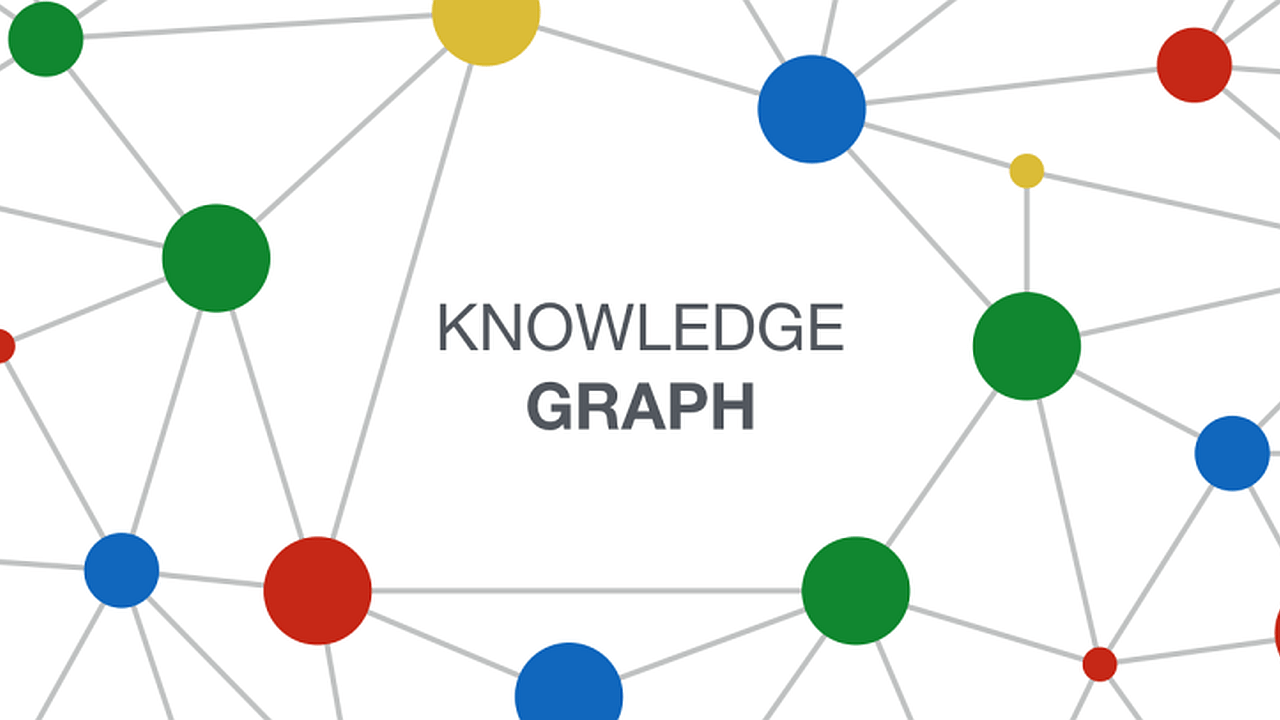
Overview of Knowledge Management Systems (KMS)
Definition and Components
In an era where information overload is the new norm, a knowledge management system (KMS) has become essential for enterprises eager to harness, operationalize, and share their collective know-how effectively. Whether you’re a CEO, IT director, or transformation leader, you’ve probably asked: “How can we make enterprise knowledge actionable and available, instead of letting it drown in files, folders, and disconnected apps?” A modern KMS provides the answer, going far beyond simple document storage to offer a smart, dynamic approach to information management.
At its core, a knowledge management system brings together strategic building blocks:
- Centralized Knowledge Repository: Securely stores and organizes every critical company asset—policies, procedures, reports, lessons learned, and more. According to Forrester, organizations with robust knowledge repositories reduce duplicate work by 30% and accelerate onboarding by 20%.
- Ontology & Categorization Tools: Leverage flexible taxonomies that map business domains, enabling consistent tagging and context-aware search. Organizations using ontology-driven KMS (like Weeki’s solutions) report up to a 50% reduction in search time and 3.8x return on investment.
- Collaboration Capabilities: Foster continuous knowledge sharing and validation among teams. Studies by McKinsey show that enhanced collaboration through KMS can boost productivity by up to 25%.
- Advanced Search Engines: Utilize semantic search, AI-powered recommendations, and role-based access to ensure every user finds the right information—in seconds, not hours.
- AI & Automation Modules: Modern platforms now embed AI agents that surface insights, suggest recommendations, and automate recurring processes. For example, Weeki’s SaaS combines visual, ontology-based knowledge mapping with integrated AI assistants, transforming static information into a living, strategic resource.
To illustrate, companies using Weeki’s knowledge organization solutions such as the Knowledge Portal & Ontologies can achieve ROI in just weeks, slashing search and compliance costs and centralizing scattered knowledge from tools like SharePoint or Google Drive into an interactive, governed knowledge base.
Role in Information Management
The primary function of a knowledge management system is to transform fragmented, siloed data into a cohesive and actionable enterprise knowledge base. Without a robust KMS, organizations struggle with inefficiency—lost files, repetitive questions, and knowledge walking out the door when employees leave. A state-of-the-art KMS, however, serves as the single source of truth, unifying structured and unstructured data for all stakeholders.
Here’s the impact of a KMS on information management:
- Centralization & Standardization: Scattered emails, SharePoint folders, and hidden files are consolidated into a standardized and auditable knowledge graph. Solutions like Weeki’s Enterprise Search and Knowledge Portal connect all disparate sources, cutting average information search time by up to 50% and reducing human error.
- Analytics & Automation Enablement: With information modeled through ontologies and activated by AI agents, organizations leverage their knowledge for analytics, automated literature reviews, and predictive recommendations—supporting strategic decision-making and freeing up staff for higher-value work.
- Compliance & Governance Support: By embedding traceability, access control, and audit trails, modern knowledge management systems simplify compliance, making audits faster and governance more transparent. For example, Weeki’s Data Governance & Compliance solution transforms compliance requirements like DORA and NIS2 into mere workflows.
In summary, an advanced knowledge management system is no longer just about storing information. It’s the operational backbone for corporate knowledge management, enabling effective knowledge sharing, secure collaboration, and continuous learning. Digital leaders who invest in platforms like Weeki’s move beyond file chaos—gaining a competitive edge by turning enterprise knowledge into a strategic, interactive asset.
Importance of Knowledge Sharing
In today’s fast-moving enterprises, countless hours and opportunities are lost when knowledge remains trapped in isolated silos. According to McKinsey, employees spend nearly 20% of their workweek searching for internal information or tracking down colleagues for expertise—a staggering drag on productivity. Imagine if every project team, new hire, or executive could instantly access, build on, and trust previous work, insights, and best practices. That’s the promise of effective knowledge sharing, which goes far beyond just passing around files—it enables meaningful, real-time collaboration and turns internal know-how into a strategic advantage. By deploying a robust knowledge management system (KMS), enterprises turn scattered expertise into a centralized, actionable resource that drives growth, spurs innovation, and fosters agility. Weeki has seen firsthand how better knowledge sharing not only accelerates onboarding and daily operations, but also becomes a catalyst for digital transformation.
Impact on Organizational Culture
Choosing to invest in a knowledge management system is much more than adopting new software—it’s an organizational transformation. When knowledge sharing is woven into daily processes, teams stop hoarding information and begin to actively collaborate. This shift fosters a culture where transparency breaks down the traditional barriers defined by departments or seniority, fostering trust, accountability, and engagement. For example, Forbes reports that companies with strong knowledge sharing cultures achieve productivity increases of up to 40%.
We’ve observed that as organizations mature their approach to corporate knowledge management, they organically foster greater engagement and resilience, particularly in teams working on complex, cross-functional projects. Employees feel encouraged to question, explore, and document, transforming both errors and breakthroughs into collective learning. When new talent joins, onboarding becomes faster and more effective—Gartner notes that best-in-class companies can reduce ramp-up times by 30% through proactive knowledge sharing.
Deploying solutions such as Weeki’s Knowledge Portal & Ontologies supports this vital culture shift. By centralizing information hosted across platforms like Microsoft 365, Google Drive, SharePoint, and Confluence, Weeki gives teams one secure, unified portal—a single source of truth that cuts search times by an average of 50%, increases accuracy by up to 40%, and delivers an average 3.6x ROI. The result: teams align faster, leaders base decisions on reliable data, and the entire organization moves in sync toward growth objectives.
Synergy with Organizational Learning
Effective knowledge sharing is the heartbeat of organizational learning. Unlike static documentation, a living, well-structured knowledge base software turns information into a dynamic learning asset—accelerating innovation, boosting adaptability, and connecting daily tasks to long-term goals. When knowledge is contextually organized and easily accessible, teams not only retrieve answers—they synthesize ideas, adapt strategies, and tackle new challenges with confidence.
A concrete example: By leveraging Weeki’s SOPs & Playbooks, companies transform the tacit expertise of seasoned professionals into versioned, actionable procedures. This structured knowledge transfer ensures that proven methods and critical know-how are available to everyone, continually updated as the business evolves. Not only does this safeguard vital knowledge from turnover risk, but it also empowers teams to experiment, document lessons learned, and propagate best practices organization-wide.
Advancements in digital knowledge management—such as AI-powered agents and automations, integral to Weeki’s offer—propel this learning loop even further. These assistants don’t just retrieve stored facts; they analyze content, detect hidden patterns, suggest improvements, and proactively deliver recommendations. The result is a truly interactive knowledge management system that speeds up onboarding, supports ongoing skill development, and sparks innovation at every level.
In essence, the synergy between knowledge sharing and organizational learning transforms static information into a strategic corporate asset. Enterprises that deploy advanced knowledge management tools like Weeki aren’t just preventing knowledge loss—they’re creating a resilient, adaptive, and future-ready organization.
Understanding Knowledge Transfer
Definition and Processes
Imagine a scenario: a senior project manager leaves your organization, and suddenly, key operational knowledge and hard-earned insights walk out the door. This isn’t just a headache—it’s a risk to ongoing business performance. The challenge is universal: how can large enterprises ensure that critical expertise, best practices, and vital company data don’t disappear when people move or teams evolve? The solution lies in effective knowledge transfer—a core component of any robust knowledge management system.
Knowledge transfer is the intentional and structured movement of information, skills, and actionable insight from one part of the organization to another. This extends far beyond simply sharing files; it’s about making enterprise knowledge—both the know-how written in documents (explicit) and that residing in employees’ heads (tacit)—readily available and usable when and where it’s needed.
The process typically involves multiple channels. Formal mechanisms such as structured onboarding, training programs and clear project documentation are key, but so are less formal strategies like mentorship, knowledge-sharing sessions, and interactive team debriefs. A study by APQC shows organizations with strong knowledge transfer processes see up to 35% higher productivity rates (APQC, 2022). Yet, without a deliberate approach, this expertise can quickly become fragmented or lost.
A modern knowledge management system like Weeki moves organizations from reactive, ad hoc information sharing to coordinated, intelligent knowledge organization. By building ontologies and interactive knowledge maps, companies establish a living framework that models relationships among concepts, teams, and processes. This creates a shared language, enables seamless integration of new hires, and preserves strategic memory—making knowledge transfer a continuous, embedded process that fuels organizational learning and agility.
Tools and Techniques
Relying on static binders, scattered files, or informal hallway chats simply doesn’t cut it in today’s digital enterprise environment. Successful knowledge transfer now depends on advanced knowledge base software and digital knowledge management tools—solutions designed to centralize, structure, and automate the sharing of both explicit and tacit information.
Take, for example, Weeki’s Knowledge Portal & Ontologies solution. It unifies documents, internal databases, and external data sources in a single, visual workspace powered by ontologies and knowledge graphs. This reduces the average search time for critical information by up to 50%, while increasing retrieval accuracy by 20-40%—figures validated across Fortune 500 deployments.
Enterprise search is equally transformative. By integrating tools such as Weeki’s Enterprise Search—which connects 365, Google Drive, and business-specific platforms with semantic search and permissions—teams cut wasted search time, eliminate duplicates, and access precise, trustworthy information in seconds.
Modern techniques also harness AI for rapid knowledge capture and validation. Weeki’s Literature Review solution, for example, uses AI-powered synthesis and human validation to generate standardized, compliant knowledge bases from multiple sources—reducing research time by up to 90% and boosting ROI by nearly four times.
Interactive knowledge maps and ontologies let users visualize expertise across the business, making cross-unit collaboration intuitive. Meanwhile, automation tools route SOPs, trigger expert reviews, and keep playbooks current, ensuring onboarding is faster and errors are minimized. For instance, automating onboarding workflows has been shown to reduce ramp-up time for new employees by 60-80% (McKinsey, 2020). In short, these digital solutions transform knowledge transfer from a logistical hurdle into a competitive edge.
Barriers and Solutions
Despite its strategic value, effective knowledge transfer still faces several hurdles:
- Information overload: Unstructured data and fragmented repositories bury essential insights.
- Departmental silos: Critical knowledge is isolated in specific teams or tools, blocking organization-wide learning.
- Loss of tacit knowledge: Employee turnover or project handoffs often result in expertise quietly vanishing.
- Low user engagement: If knowledge management systems are unintuitive or time-consuming, adoption plummets.
Top-performing organizations address these barriers head-on with both process discipline and purpose-built digital solutions. Centralizing content through a single, secure portal (see how Weeki’s Knowledge Portal & Ontologies offers this) breaks down silos and provides universal access with traceable governance. AI-powered search and automation like Weeki’s Enterprise Search and Deliverables Automation further ensure that information retrieval is fast and reliable—even as datasets grow.
When it comes to preserving expert know-how, automation plays a critical role. Weeki’s Literature Review and Deliverables Automation ensure that every key decision, report, and project is captured, validated, and easily referenced. This prevents expert insight from walking out the door and maintains a living, audit-ready knowledge base.
Most importantly, transforming knowledge transfer into a true business driver goes beyond technology. It’s about embedding a culture where collaboration and sharing are natural and rewarded. That’s why Weeki’s unique approach—combining advanced SaaS solutions with tailored support, including custom integrations and ongoing user coaching—ensures real adoption and measurable impact.
To summarize: with the right knowledge management system, optimized tools, and a culture of sharing, organizations not only overcome the usual barriers to knowledge transfer—they create a sustainable engine for productivity, reliability, and long-term organizational learning. This is how knowledge stops slipping through the cracks and starts driving real business results.
Exploring Knowledge Base Software
Benefits and Functionality
Picture this: your leadership team is bogged down by endless searches for that one vital report, buried somewhere in a maze of outdated files and scattered documentation. This problem is far from rare—in fact, the average employee spends nearly 20% of their workweek searching for information1. Not only does this drain productivity, but it also puts enterprise knowledge at risk of loss and misuse. That’s where a modern knowledge management system, powered by advanced knowledge base software, stands out as an essential asset for any forward-looking organization.
Unlike traditional document repositories or simple file management systems, robust knowledge base solutions create a unified, visual, and interactive environment that can transform how enterprises manage information. They centralize all kinds of data—documents, spreadsheets, emails, databases, market research—into a secure, searchable, and interconnected hub. Leveraging AI-powered automation and dynamic content linking, users benefit from real-time updates, versioning, validation, and contextual relevancy that static archives cannot provide.
The top business benefits include:
- Enhanced Knowledge Sharing: Employees can access and contribute information regardless of department or location. This directly reduces onboard friction, fosters a culture of collaborative knowledge sharing, and cuts repetitive support questions by up to 30%2.
- Accelerated Information Retrieval: With AI-driven semantic search and intuitive categorization, queries often take seconds rather than hours. Organizations typically report a 40-60% reduction in search time, as shown in recent industry benchmarks3.
- Smart Automation & AI Integration: Leading solutions—like those available from Weeki—deploy AI agents that proactively suggest relevant content, answer employee queries, automate knowledge reporting, and even draft new documentation based on data patterns.
- Compliance and Security Assurance: As the volume and sensitivity of enterprise knowledge increases, governance tools become indispensable. Features such as access controls (RBAC/SSO), audit logs, encryption, and traceability help organizations meet industry regulations like GDPR, DORA, NIS2, and the AI Act.
For instance, Weeki’s “Knowledge Portal & Ontologies” solution exemplifies how next-generation knowledge management software centralizes scattered data from sources like Microsoft 365, Google Drive, SharePoint, or Confluence. Within weeks, companies gain a secure, governed portal that slashes search time by roughly 50%, boosts information accuracy by 20-40%, and delivers a measurable ROI (average 3.6x), all while ensuring every knowledge asset is traceable, up to date, and accessible under strict permissions.
Implications for Corporate Knowledge Management
Deploying knowledge base software has far-reaching implications that go beyond streamlined information management—it fundamentally transforms how organizations exploit their enterprise knowledge.
- Accelerated Decision-Making: Managers and executives can consult the latest analytics, best practices, and compliance data in real time—directly informing strategic decisions and increasing reliability. Gartner research shows organizations with mature knowledge management systems make decisions 2x faster and with 20% greater accuracy4.
- Breaking Down Knowledge Silos: A single, unified repository effectively demolishes the barriers between business units. Everyone accesses the same source of truth, unlocking enterprise-wide learning and sparking innovation.
- Consistency and Standardization: Documents like playbooks, SOPs, and compliance guides become living resources, constantly versioned, validated, and directly linked into business workflows. Weeki’s “SOPs & Playbooks” solution delivers a governed library where critical procedures are updated and disseminated seamlessly, reducing operational errors and onboarding times.
- Scalable Collaboration: Whether you’re onboarding five new recruits or managing global projects, a scalable knowledge management system ensures everyone has instant access to what they need. Automation and AI further enhance this by automating support queries, recommending best practices, or even curating deliverables on demand.
These are not intangible benefits. Companies using solutions like Weeki’s often realize a tangible return on investment within 30–45 days, manifested in reduced search times, improved compliance readiness, and measurable productivity gains.
Supported by Case Studies
Let’s anchor these claims with real-world results:
- Global Pharmaceutical Organization (Knowledge Portal & Ontologies): By unifying regulatory filings, scientific literature, and operational guidelines across international divisions with Weeki, teams cut document search time by 50%. The process of regulatory audit preparation went from a source of anxiety to a traceable, straightforward workflow. The result: faster global submissions and smoother cross-border collaboration.
- International Bank (Enterprise Search): A leading financial institution transformed its document chaos with Weeki’s enterprise search. By centralizing access while respecting existing permissions, the bank slashed duplicative efforts, reduced lost-document scenarios, and reported a clear ROI in the first month—plus, customer response times improved thanks to faster retrieval of essential client information.
In both cases, knowledge base software did more than tidy up digital files—it empowered teams to unlock their corporate knowledge management potential and turn information chaos into a competitive advantage.
Adopting advanced knowledge management systems—with platforms like Weeki’s providing both SaaS solutions and tailored support—lays the groundwork for secure, efficient, and collaborative organizational learning. For C-level leaders and enterprise managers, investing in the right knowledge base software is no longer optional: it’s a strategic move toward long-term agility and sustainable value in the digital knowledge age.
1. McKinsey Global Institute, “The social economy: Unlocking value and productivity through social technologies”, 2012.
2. Zendesk Benchmark Report, 2023.
3. AIMultiple, “Knowledge Management Software ROI Benchmarks”, 2023.
4. Gartner, “How Knowledge Management Improves Decision Making”, 2022.
Best Practices in Corporate Knowledge Management
Strategies and Examples
In today’s digital workplace, even organizations with troves of information can find themselves at a standstill when knowledge is fragmented or buried in isolated silos. According to IDC, employees spend nearly 30% of their workweek simply searching for information—a costly inefficiency for enterprises aiming to maximize their intellectual capital and operate at scale. For C-level leaders and decision-makers, adopting a knowledge management system is no longer a perk—it’s a strategic necessity for boosting knowledge sharing, operational agility, and organizational learning.
Effective corporate knowledge management combines structured methodologies, best-in-class knowledge management tools, and a collaborative organizational culture. Below, we detail proven strategies and give real-world examples to show how leading enterprises have discovered measurable gains with modern knowledge management systems.
Build a Unified, Structured Knowledge Base
Centralizing enterprise knowledge in a well-structured, searchable, and secure knowledge management system is the cornerstone of modern information management. Next-generation knowledge base software brings together documents, spreadsheets, emails, regulatory guidance, and even unstructured data from across disparate repositories—M365, Google Drive, SharePoint, and more—to form a single source of truth. This move is vital to reducing wasted search time and preventing redundant work.
Example:
A global consulting firm reported that, before digital transformation, staff spent up to 6 hours per week retrieving previous project deliverables and regulatory updates. By implementing a knowledge base software built on ontology and knowledge graphs, the firm unified records from legacy databases, Google Drive, and SharePoint. With advanced semantic search, they achieved a 50% reduction in retrieval times and improved accuracy by over a third, directly enhancing client outcomes and employee satisfaction (source: McKinsey, 2021).
How Weeki delivers:
Through its Knowledge Portal & Ontologies solution, Weeki centralizes scattered enterprise content in a single, governed portal structured by knowledge graphs. Teams gain SSO-secured access, powerful semantic research, and traceability—all in one platform. Typically, organizations using Weeki reduce search time by about 50% and improve knowledge accuracy by up to 40%, with a proven ROI of 3.6. Weeki transforms scattered documentation into a coherent, actionable, and auditable knowledge base.
Automate and Standardize Knowledge Documentation
A major best practice in corporate knowledge management is the systematic transformation of tacit knowledge—expertise locked in employees’ minds—into explicit, accessible assets. Automating knowledge documentation involves codifying Standard Operating Procedures (SOPs), capturing meeting notes, and building playbooks, ensuring critical enterprise knowledge survives employee turnover and accelerates onboarding.
Example:
A leading manufacturing company saw inconsistent processes and rising training costs due to undocumented workflows. By leveraging knowledge management tools with automation features, they standardized SOPs and created an accessible playbook for every plant location. Results included a 40% reduction in onboarding time for new hires and a notable decline in line errors, contributing to improved compliance and product quality (AIIM, 2022).
How Weeki delivers:
Weeki’s SOPs & Playbooks solution turns fragmented protocols into a living digital library, accessible anywhere, even offline. Connected to data and AI-driven assistants—and fully versioned and traceable—Weeki empowers teams to document, search, and update operating procedures, ensuring knowledge consistency, reducing operational risks, and streamlining compliance. Onboarding is accelerated and teams see measurable drops in errors.
Enhance Knowledge Sharing with AI and Automation
Modern enterprise knowledge management systems now harness artificial intelligence to supercharge knowledge sharing and decision-making. AI-powered agents, contextual assistants, and automation features proactively surface relevant insights, automate reporting, and generate predictive analytics, allowing employees to focus on strategic initiatives rather than manual information retrieval.
Example:
In financial services, one provider implemented AI-driven knowledge management tools to auto-generate compliance reports, handle client queries, and automate creation of regulatory deliverables. As a result, client response times were cut in half, analysts spent 60% less time on manual reporting, and compliance remained watertight—even as regulations evolved.
How Weeki delivers:
Weeki’s AI Assistants & Contact Center as well as Deliverables Automation solutions bring AI-powered agents directly into your information flow. These agents connect to internal tools, create real-time responses with complete citation trails, automate report and document generation, and guarantee every deliverable is auditable and source-verified. This not only accelerates knowledge transfer but also frees subject-matter experts to focus on high-value activities.
Foster a Culture of Collaborative Knowledge Sharing
While digital tools provide the foundation, real success in knowledge management comes from embedding collaborative knowledge sharing into the organizational fabric. Best-in-class companies incentivize contributions, celebrate subject-matter experts, and create feedback loops—turning their knowledge management system into a vibrant, growing community resource.
Example:
A Fortune 500 technology company integrated collaborative features—such as internal wikis, real-time Q&A boards, and recognition dashboards—within their knowledge management platform. They saw a 25% increase in documented expertise and a 20% rise in peer-to-peer problem solving across departments.
Key Takeaway: Iterate and Measure for Continuous Improvement
Knowledge management is a living process. Leaders should continuously evaluate the effectiveness of their knowledge organization, leverage analytics to spot gaps, and improve strategies over time. Digital knowledge management tools, like those in the Weeki ecosystem, provide dashboards and governance features to measure adoption, engagement, and ROI—ensuring your enterprise knowledge remains a reliable foundation for agile decision-making and innovation.
Ready to unlock your organization’s full potential? Explore how Weeki’s tailored knowledge management solutions—available as SaaS, customized service, or a hybrid approach—can future-proof your enterprise knowledge, drive measurable results, and transform your approach to collaborative knowledge sharing.
The Role of Learning Management Systems
Functionality Alignment with Knowledge Management Systems
In today’s enterprise landscape, organizations face a recurring challenge: how can they reliably transfer expertise from a centralized knowledge management system (KMS) into actionable learning that drives both business growth and workforce agility? Imagine a global firm that’s invested heavily in its knowledge base software—collecting compliance protocols, strategic plans, and years of field-tested practices—yet struggles to ensure this wealth of enterprise knowledge empowers employees exactly when and where they need it. This is where learning management systems (LMS) prove crucial, acting as dynamic bridges between information management and real-world application.
When a learning management system is seamlessly integrated with a knowledge management system, the result is a unified learning ecosystem. The curated, ever-evolving knowledge captured within the KMS becomes the backbone of training programs that are current, context-rich, and directly aligned with corporate objectives. Research by the Association for Talent Development has shown that organizations with mature learning technology integration experience up to 40% higher productivity and report a 30–50% increase in knowledge transfer effectiveness1.
Some key points of alignment include:
- Automated, Up-to-Date Content Delivery: Modern LMS platforms can synchronize with your knowledge management system, ensuring that training content dynamically reflects the latest validated materials—whether it’s new regulatory information, customer case studies, or technical SOPs. For example, companies leveraging solutions like Weeki’s ontology-powered knowledge portal reduce the risk of outdated or inconsistent training, supporting regulatory compliance and quality standards.
- Intelligent Personalization: Leveraging structured data and knowledge graphs from the KMS, learning management systems can personalize learning paths based on employee roles, past training, or even emerging business needs. This not only accelerates onboarding but boosts retention, as learners see direct relevance to their daily challenges. According to LinkedIn’s Workplace Learning Report 2023, 83% of companies using AI-driven learning recommenders see an uptick in employee engagement and skill uptake2.
- Integrated Performance Analytics: By combining data from both your LMS and KMS, organizations can track not just course completion but deeper learning impact—identifying knowledge gaps, mapping skill acquisition, and adapting both the knowledge base and training content proactively. Such analytics are key: Deloitte notes that high-performing organizations are three times more likely to use real-time learning analytics to drive business decisions3.
Weeki’s suite exemplifies this alignment, offering a seamless environment where a living, centralized knowledge base—supported by advanced mapping and ontology tools—fuels both formal training and informal knowledge flows. For C-level leaders, this means shifting from static, siloed processes to a responsive, automated system where knowledge sharing directly translates into workforce capability and organizational learning.
Support for Knowledge Organization
For executives and managers, organizing knowledge is not just about safeguarding information; it’s about ensuring that critical expertise is instantly accessible and actionable for both daily operations and strategic transformation. Here, learning management systems play a pivotal role in amplifying the impact of your knowledge management strategy.
LMS solutions support enterprise knowledge organization by:
- Streamlining Learning Resource Management: LMS platforms structure and categorize courses, microlearning units, and resources, mapping them directly to your knowledge management system. This brings searchability and automation—with leading platforms reporting that structured content can halve search times and decrease redundant content creation by over 30%4.
- Centralizing Best Practices and Expertise: Integrated learning environments automatically surface and distribute internally validated procedures, lessons learned, and compliance updates—linking training directly to operational best practices stored in your KMS. Weeki, for example, leverages its SOPs & Playbooks and enterprise search services to turn dispersed documentation into a single, governed knowledge source, slashing onboarding time and error rates.
- Empowering Collaborative Knowledge Sharing: Many LMS solutions foster communities of practice and peer reviews, allowing employees to not just consume but co-create enterprise knowledge. Social learning features and feedback mechanisms feed valuable frontline insights back into the KMS, strengthening collective intelligence and supporting a culture of continuous improvement.
By integrating Weeki’s combined software and tailored modeling services, companies gain a knowledge management backbone that evolves alongside business priorities. From secure document portals and semantic search to automated governance of SOPs, these solutions ensure that your knowledge organization isn’t just theoretical—it’s directly empowering your people and processes.
In essence, aligning learning management systems with an intelligent knowledge management system is no longer optional for organizations seeking competitive advantage. It’s a foundational move toward operationalizing expertise, boosting productivity, and scaling organizational learning in an era of rapid digital knowledge management transformation. To move from fragmented assets to a seamless, living knowledge ecosystem, Weeki’s adaptable solutions and expert guidance can deliver the structure, automation, and actionable intelligence that future-proof your corporate knowledge management.
1 Association for Talent Development, “2023 State of the Industry,” ATD Research.
2 LinkedIn Learning, “2023 Workplace Learning Report.”
3 Deloitte Insights, “Organizational Learning in the Digital Age,” 2022.
4 McKinsey, “Unlocking Value from Knowledge Management Systems,” 2021.
Promoting Collaborative Knowledge Sharing
Strategies for Collaboration
In an era where information explodes and file structures multiply, organizations face a big question: are we truly leveraging our collective expertise or just accumulating digital clutter? The right knowledge management system (KMS) doesn’t just store enterprise knowledge—it transforms how teams interact, collaborate, and innovate. Today, fostering collaborative knowledge sharing isn’t a nice-to-have; it drives better decisions, sharper execution, and ultimately, business growth. Let’s explore proven strategies—and concrete examples—of how advanced knowledge base software like Weeki can help break silos and fuel enterprise collaboration.
Building a Unified Knowledge Base for the Enterprise
The foundation of collaborative knowledge sharing is a unified, structured portal. Modern knowledge management systems, including Weeki, are designed to transform scattered information—think documents, project data, and best practices—into a single, easily navigable source of truth. For instance, Weeki’s Knowledge Portal & Ontologies solution centralizes content from SharePoint, Google Drive, and Confluence, creating a dynamic environment built on actionable ontologies and knowledge graphs. The result? Teams experience a 50% reduction in search time and a 20–40% improvement in information accuracy, as documented in recent deployments with global enterprises. Enhanced semantic search, traceability, and integrated governance mean every business unit can tap into, contribute to, and learn from a common knowledge foundation without fear of data loss or duplication. Organizations see an average ROI of 3.6, and compliance is strengthened through secure access controls like SSO and RBAC.
Enabling Domain-Specific and Visual Collaboration
Not all collaboration is the same. High-impact collaboration happens when knowledge is not only shared, but also contextualized and visualized according to each department’s needs. Weeki takes corporate knowledge management to the next level with interactive knowledge maps and ontologies that visually illustrate the links between data, expertise, and ongoing projects. This approach promotes knowledge transfer across departments—marketing, product, compliance—making insights and experience easy to discover and easy to act on. Secure permissioning ensures only the right people handle sensitive knowledge, while still encouraging broad participation.
Moreover, Weeki deploys AI Assistants & Contact Center solutions within workflows. These AI-powered agents integrate with internal sources and business tools, delivering context-sensitive answers, surfacing best practices, and even automating routine actions. In the real world, this means faster onboarding, more consistent responses, and measurable support KPIs improvements (such as deflection, first contact resolution, and customer satisfaction), all supported by audit logs for transparency.
Automating Knowledge Sharing and Process Integration
Manual knowledge sharing is slow and risky; automation changes the game. Leaders are turning to knowledge management tools like Weeki’s Deliverables Automation to streamline reporting, create standard operating procedures (SOPs), and generate business deliverables—rapidly and reliably. For example, by automating the production of complex documents using a governed knowledge base, Weeki clients typically reduce writing time by 60–80%—effectively freeing up dozens of hours per month for each knowledge worker. Every deliverable is automatically versioned, cited, and ready to publish in multiple formats (DOCX, PPTX, PDF, XLSX, MD), ensuring consistency and compliance.
Templates for business processes and SOPs can be embedded, shared, and tracked in real time, making process integration frictionless. Whether onboarding new staff, driving R&D, or responding to incidents, teams collaborate seamlessly on both knowledge and action. As one example, a European manufacturer reduced training time for new hires by 35% simply by standardizing and sharing playbooks through the Weeki platform.
Promoting collaborative knowledge sharing ultimately means making contribution effortless and habitual. By adopting a robust knowledge management system like Weeki—combining software, AI, and model-driven automation—enterprises can transform from information chaos to high-performing, data-driven organizations. Investing in solutions that unify, visualize, and automate enterprise knowledge isn’t just operational best practice; it’s a proven accelerator for growth and innovation in the digital age.
Overview of Knowledge Management Tools
Features and Applications
In today’s enterprise environment, information overload is more serious than ever. Studies show the average knowledge worker spends up to 2.5 hours a day searching for information, leading to lost productivity and frustration (IDC, 2019). As organizations grow, the challenge isn’t just collecting data—it’s making scattered information accessible, actionable, and valuable across teams. That’s where advanced knowledge management tools come in, driving concrete improvements in knowledge sharing, process automation, and organizational learning.
Effective knowledge management systems have evolved from simple document storage solutions to intelligent, enterprise-grade platforms that foster collaboration, automate workflows, and support reliable decision-making. Let’s dive into the core features and applications that distinguish top-tier knowledge management tools, helping organizations turn enterprise knowledge into a true strategic asset.
Core Features of Modern Knowledge Management Tools
Modern knowledge management systems (KMS) are designed to solve more than just information chaos—they support comprehensive knowledge organization, enhance enterprise knowledge, and unlock digital knowledge management. Here’s what sets them apart:
- Centralized and Governed Knowledge Base: Top KMS like Weeki’s Knowledge Portal & Ontologies consolidate content from multiple sources (SharePoint, M365, Confluence, Google Drive) into a single, semantic portal. This unified approach slashes search time by up to 50%, improves accuracy by 20-40%, and delivers measurable ROI (average 3.6 according to Weeki case studies). Centralization ensures knowledge sharing is efficient and compliant across departments.
- Semantic and Enterprise Search: Advanced search and retrieval functionalities—such as those in Weeki’s Enterprise Search—enable users to find specific documents, data, or expertise in seconds. Enterprise search solutions reduce time wasted on manual queries and cut document duplication, with many organizations seeing returns within the first month of deployment. This streamlined access is key for fast, reliable information management and knowledge transfer.
- Ontology and Intelligent Knowledge Mapping: By organizing domain-specific concepts into ontologies and visual, interactive maps, platforms like Weeki unlock next-generation knowledge organization. These structures power context-aware analytics, advanced automation, and personalized recommendations, transforming basic knowledge base software into a dynamic decision-support system.
- AI-Powered Agents and Automation: Integration of AI agents shifts knowledge management from static storage to dynamic value creation. Weeki’s AI Assistants can handle internal support, deeply contextualize responses, and automate repetitive reporting or compliance checks. For example, Weeki’s Deliverables Automation cuts document production time by 60-80% while guaranteeing auditable, compliant outputs.
- Collaboration and Workflow Automation: Effective KMS facilitate collaborative knowledge sharing through co-authoring, versioning, semantic annotations, and workflow engines. As teams grow and digital transformation accelerates, these collaborative tools ensure organizational learning is continuous, errors are reduced, and best practices in knowledge management are embedded in daily processes.
Applications Across the Enterprise
A robust knowledge management system isn’t just a back-office tool—it supports strategic goals across every business unit:
- Accelerating Decision-Making: Integrated knowledge retrieval systems, such as those offered by Weeki, allow executives and managers to validate assumptions and access actionable data in real time. For instance, Weeki’s clients report faster project cycles and reduced decision errors, directly impacting business agility.
- Driving Digital Knowledge Management and Transformation: Ontology-based knowledge bases enable organizations to link disparate data, uncover trends, and automate low-value tasks with AI—empowering teams to focus on innovation and strategic growth. According to McKinsey, companies using digital knowledge management can improve productivity by up to 25%.
- Ensuring Knowledge Transfer and Compliance: Solutions like Weeki’s automatic literature reviews and governed SOPs (Standard Operating Procedures) ensure that vital information is up to date, auditable, and easily accessible for training, compliance, or audits. Teams experience onboarding time reductions and higher employee retention as a result.
- Promoting Organizational Learning and Best Practices: Learning modules, collaboration spaces, and integrated knowledge management and learning management systems (LMS) drive a culture of ongoing improvement. This synergy between knowledge documentation and training keeps expertise within the organization and adapts processes to evolving business needs.
For leaders aiming to transform knowledge sharing into a competitive advantage, it’s essential to select knowledge management tools that align with both current workflows and scalable ambitions. Platforms like Weeki stand out by combining flexible SaaS solutions with tailored support, offering a marketplace of interoperable modules and the option for bespoke development.
In summary, a strong knowledge management system supported by the right tools does more than centralize documents—it activates enterprise knowledge, cultivates collaborative knowledge sharing, and makes information management a driver of measurable business results. Investing in scalable, AI-powered, and secure KMS solutions is now fundamental for any organization committed to sustainable growth in the digital age.## Enhancing Efficiency with Knowledge Retrieval Systems ##
### Role in Knowledge Management ###
In today’s data-driven enterprises, leaders often face a frustrating reality: critical knowledge is scattered across emails, shared drives, project management tools, and legacy databases. On average, knowledge workers spend 2.5 hours per day simply searching for information, costing organizations millions in lost productivity each year (IDC, 2022). In this climate, the value of a robust knowledge management system lies not just in storing information, but in making the right knowledge instantly accessible, secure, and actionable.
Knowledge retrieval systems play a central role within any effective knowledge management system. Rather than relying on basic keyword search, these advanced platforms leverage artificial intelligence, semantic search, and rich metadata to break down data silos and deliver the most relevant insights—on demand. For example, a project manager can retrieve detailed project histories, compliance documents, or the latest market intelligence in seconds, reducing the time spent searching by up to 50% and lowering the risk of overlooked or outdated information.
The impact is immediate across the board. With efficient knowledge retrieval, organizations accelerate onboarding, reduce costly duplication, and empower decision-makers at all levels. A well-integrated knowledge management system with retrieval capabilities also streamlines compliance—enforcing granular permissions and providing audit trails to support regulatory requirements, such as GDPR or the AI Act. As a result, companies see a measurable lift in both operational agility and accountability.
But what does a modern solution really look like? Let’s take Weeki as an example. Weeki combines tailored SaaS software and expert-driven services, delivering solutions such as its Enterprise Search and Knowledge Portal & Ontologies. These solutions centralize data from SharePoint, Google Drive, M365, Confluence, and more—enabling semantic, permission-respecting search across all enterprise knowledge. In many cases, teams reduce search time by up to 50% and see ROIs of 3x or more within just a month. Features like “answered@k” allow organizations to quantify search effectiveness, while secure SSO and RBAC ensure sensitive knowledge stays protected and traceable.
Crucially, knowledge retrieval isn’t simply about speed—it’s about value-added results. Modern systems don’t just surface information; they reveal hidden connections, uncover tacit knowledge, and power automation with AI-driven analytics and recommendations. This means transforming chaotic files and legacy documents into an organized, interactive knowledge base—fueling smarter business agents, predictive analytics, and workflow automation, all within a single knowledge management system.
For senior leaders, investing in advanced knowledge retrieval systems isn’t just an IT decision—it’s a commitment to best practices in knowledge management and a catalyst for continuous organizational learning. Enterprises that embrace these tools quickly move from information overload to insight-driven operations. In a landscape where real-time, well-informed decisions spell the difference between stagnation and growth, efficient knowledge retrieval systems are essential—not optional.
Looking to transform your company’s approach to information management and knowledge sharing? Weeki offers a unique combination of customizable software and hands-on services to build a secure, semantic, and measurable knowledge retrieval solution—helping your teams move from file chaos to clear, actionable insights with confidence.
Importance of Knowledge Documentation
In today’s data-driven business world, the loss of critical information is a real threat—whether a key employee leaves or compliance needs ramp up overnight. According to Gartner, companies lose up to $2.5 million per year on average due to inefficient knowledge transfer and poor documentation processes1. A robust knowledge management system is no longer a “nice-to-have”—it’s essential for safeguarding enterprise knowledge, ensuring business continuity, and accelerating innovation. But effective knowledge documentation is more than static archives; it’s about transforming information into a dynamic, accessible asset that empowers strategic decision-making, supports automation, and fuels continual organizational learning.
Effective Strategies for Documentation
Leading organizations leverage cutting-edge knowledge management solutions like Weeki to move far beyond simple record-keeping. Here’s how successful companies transform their approach to knowledge documentation—and how you can too:
-
Define and Model Enterprise Knowledge
Before organizing content, assess the full spectrum of information that drives your business—processes, decisions, compliance records, lessons learned, and more. By implementing ontology-based frameworks and interactive knowledge maps (as enabled by Weeki’s Knowledge Portal & Ontologies), organizations clarify relationships, reduce silos, and create a common language. In fact, clients using this approach experience, on average, a 50% reduction in search time and a 20–40% boost in information accuracy—powerfully impacting both productivity and governance. -
Centralize and Standardize Content
Siloed documentation is a silent roadblock. Consolidating enterprise knowledge from M365, Google Drive, SharePoint, Confluence, and other disparate sources into a single, secure platform—with standardized templates and controlled vocabularies—not only makes information retrievable but also auditable. Weeki’s centralization solutions have delivered a 3.6x ROI for clients, minimized duplication, and ensured everyone has access to a single source of truth. -
Automate Content Collection and Maintenance
Manual upkeep is unsustainable—77% of organizations identify outdated documentation as a leading risk2. Weeki automates the ingestion and synthesis of data from emails, chats, databases, and public sources, transforming document maintenance into a continuous, low-effort process. Their Literature Review engine alone increases documentation speed up to tenfold while guaranteeing compliance and traceability through verifiable citations—turning chaotic files into a governed “evidence machine.” -
Make Documentation Dynamic and Actionable
Documentation should work for you. Integrate advanced enterprise search and AI agents (such as those offered by Weeki) to enable context-aware queries, real-time insights, and automated content generation. For example, connecting standard operating procedures (SOPs) to business analytics and compliance dashboards streamlines audits and ensures employees always have the latest guidance—no more version confusion or manual updates. -
Encourage a Culture of Continuous Documentation
Documentation must be woven into daily workflows—not treated as a periodic chore. Implement collaborative tools that empower teams to comment, annotate, and revise in real time. Incentivize updates and make knowledge documentation a living asset. Research from APQC shows that companies with strong documentation cultures are 2.7 times more likely to exceed business goals3. -
Ensure Security, Compliance, and Traceability
With rising regulatory demands, documentation must be secure and audit-ready. Utilize fine-grained permission models (SSO, RBAC), encryption, and detailed audit trails. Weeki’s suite includes automated compliance monitoring and documentation, helping organizations prepare for stringent regimes such as the EU AI Act, DORA, and NIS2—reducing audit preparation time and risk exposure.
“Necessary contextualization:” Weeki combines a software offer (SaaS) and specific model/automation services mostly encapsulated in the SaaS. These two dimensions can be integrated into the same mission: according to the needs, Weeki provides adapted software solutions and accompanies them with a personalized follow-up, including specific developments or integrations if necessary. Each of the 16 solutions (8 Knowledge Management solutions and 8 Data Science solutions) presented can thus be offered in SaaS mode, as a service provider, or as a hybrid approach depending on the client’s context.
In summary, effective knowledge documentation is the cornerstone of any high-performing knowledge management system. When documentation is organized, automated, and action-oriented, it becomes a competitive advantage—fueling productivity, de-risking compliance, and creating a continuous loop of organizational learning. Executives who invest in state-of-the-art knowledge documentation set their companies up to outpace competitors and secure the value of their enterprise knowledge assets for years to come.
1. Gartner: How to Establish a Knowledge Management Program (2021)
2. AIIM Industry Watch: The State of Enterprise Content Management (2022)
3. APQC: Knowledge Management and Process Documentation Benchmarks (2023)
Emerging Trends in Digital Knowledge Management
Prospects for the Digital Age
Today’s business ecosystem is fueled by a flood of data and rapid change. For C-level leaders and business unit directors, the challenge is no longer just about storing information—but harnessing it for measurable value. Traditional knowledge management approaches have hit their limit: according to IDC, employees can spend up to 30% of their workweek searching for or recreating information, which leads to productivity loss and strategic blind spots. In decentralized or hybrid organizations, the stakes are even higher, with knowledge fragmentation, compliance risks, and missed opportunities for innovation.
A modern knowledge management system (KMS) acts as a game changer here, offering a solution that goes far beyond file storage. These advanced platforms support seamless knowledge sharing, enterprise knowledge modeling, and smart information management, giving organizations a powerful edge in a digital-first world. Let’s explore the leading trends that are redefining digital knowledge management—and see how you can lead rather than follow.
The Shift to Unified, Visual Knowledge Bases
One of the most impactful shifts has been the adoption of unified, interactive spaces that bring together content, data, and expertise. Unlike siloed archives and static document repositories, new-generation knowledge base software centralizes reports, datasets, procedures, and communications into a single, navigable system. According to McKinsey, such centralization can reduce information retrieval time by up to 50% and improve decision accuracy by 20–40%. Real-time collaboration and transparency result, making best practices in knowledge management accessible to everyone, not just a handful of experts.
For example, Weeki provides a visual knowledge base that builds your enterprise’s knowledge map and connects scattered sources—M365, Google Drive, databases—into a cohesive foundation. Through interactive knowledge graphs and ontologies, organizations gain a “single source of truth.” The result? Faster knowledge transfer, reduced duplication of effort, and measurable productivity gains. With these tools, teams can turn the chaos of document silos into actionable insights for real business value.
AI Agents and Intelligent Automation: The Next Frontier
Artificial intelligence now sits at the heart of digital knowledge management. The best knowledge management systems don’t just help you find information—they interpret it in context, recommend next steps, and even automate repetitive or complex tasks. Gartner predicts that by 2025, 50% of knowledge management updates in large enterprises will be AI-assisted.
Solutions like Weeki’s AI assistants are domain-aware: they not only answer user questions but also analyze business data, automate document creation, and generate custom recommendations—reducing project turnaround times and ensuring auditability throughout. By integrating business process automation, organizations are able to respond to market changes faster while maintaining compliance and transparency—a key consideration amid rising data governance demands and regulations such as the AI Act, DORA, and NIS2.
Advanced Governance, Enhanced Compliance, and Collaborative Innovation
Digital knowledge management is under increasing regulatory scrutiny. Enterprises need granular access controls, audit-ready traceability, and detailed data lineage—all built into their knowledge management tools. Platforms like Weeki offer a governance and compliance cockpit, allowing risk officers and compliance teams to monitor, audit, and enforce standards without slowing down business operations.
Meanwhile, collaborative knowledge sharing is being reimagined. Instead of relying on static documentation, leading platforms facilitate real-time co-creation, guided onboarding, and continuous learning—even across globally distributed teams. For instance, automating SOPs and maintaining living playbooks (as with Weeki’s SOPs & Playbooks solution) not only captures tacit expertise but ensures that enterprise knowledge is both accessible and actionable. This is a critical driver of organizational learning and resilience: according to Deloitte, organizations with mature knowledge management practices are 2.3 times more likely to outperform peers in innovation metrics.
What’s Next: Predictive Capabilities and Continuous Value Creation
The future of digital knowledge management hinges on deeper AI integration, seamless interoperability, and a relentless focus on outcomes. Machine learning is not distant hype—it’s the engine that transforms historical enterprise knowledge into predictive insights, surfacing patterns, forecasting trends, and flagging emerging risks. With tools like Weeki’s hybrid SaaS and tailored services, organizations are able to anticipate change, accelerate project delivery, and ensure compliance from day one.
In a landscape defined by speed, complexity, and compliance, digital knowledge management isn’t just an IT concern—it’s a core strategic asset. By embracing unified knowledge base software, intelligent AI agents, and best practices in corporate knowledge management, businesses can unlock new levels of collaboration and innovation. The organizations that capture these emerging trends will not only keep pace—but set the pace—for their industries.
Curious about how to transform knowledge chaos into clarity and competitive advantage? Weeki’s unified SaaS and custom services help your organization organize, automate, and amplify its knowledge for the digital age. Discover how teams can get faster answers, robust compliance, and create value—right from the start.
FAQ Section
Common Questions about Knowledge Management Systems
Knowledge management systems (KMS) have emerged as essential platforms for modern enterprises striving to optimize information management, knowledge sharing, and organizational learning. Below we answer frequently asked questions from decision-makers about how these systems transform enterprise knowledge into strategic assets.
-
What is a knowledge management system, and how does it work?
A knowledge management system is a comprehensive platform designed to collect, structure, and leverage an organization’s knowledge—ranging from documents and data to expert insights. It connects scattered files, databases, and external sources into a unified, searchable, and interactive knowledge base. With features like semantic search and ontology-based mapping, a modern knowledge management system helps companies make faster, more informed decisions while dramatically improving productivity and onboarding. For instance, Weeki’s solutions seamlessly integrate internal databases, cloud drives, and web-scraped content into a single, secure environment—enabling organizations to move from file chaos to clarity in weeks, not months. -
How does a knowledge management system address information overload?
Effective knowledge management systems, especially those powered by AI, automatically consolidate, deduplicate, and organize enterprise knowledge assets. Solutions such as Weeki’s Knowledge Portal & Ontologies transform scattered documentation into a single source of truth, reducing knowledge search times by up to 50% and improving the accuracy of retrieved insights by 20–40%. Semantic search, visual mapping, and governed access drastically cut the time employees spend looking for information and reduce duplication errors—a hard ROI recognized across Fortune 1000 organizations [McKinsey, 2022]. -
Is it possible to measure the ROI of a knowledge management system?
Absolutely. ROI can be measured through reduced search and retrieval time, increased content reuse, shortened onboarding, improved compliance, and enhanced decision quality. Weeki’s suite of knowledge management tools (e.g., Enterprise Search and Deliverables Automation) commonly brings measurable ROI within the first few weeks of deployment. For example, organizations using Weeki report up to a 3.8-fold return on investment for literature review automation, while achieving compliance and traceability that simplify audits and regulatory reporting.
Impact of Knowledge Sharing
Knowledge sharing is the engine that drives innovation, resilience, and excellence across the enterprise. When organizations invest in knowledge management systems to centralize and structure their enterprise knowledge, they unlock significant business value.
-
What organizational benefits result from robust knowledge sharing?
Teams working within a well-implemented knowledge management system become more innovative, make more confident decisions, and reduce costly errors. Enhanced engagement breaks down silos—fostering collaboration that leads to measurable efficiency. For example, when deploying Weeki’s automated literature reviews, teams cut down research time by a factor of 10 and ensure verifiable, standardized insights, leading to faster project delivery and stronger compliance. -
How does a knowledge management system promote collaborative knowledge sharing?
A best-in-class KMS provides shared workspaces, real-time updates, secure access, version control, and seamless integration with tools like Microsoft 365 or Google Drive. Weeki’s contextualized solutions enable instant collaboration and domain-specific AI agents, streamlining communication and knowledge exchange. These features not only increase productivity, but also cultivate a culture where ideas and expertise flow effortlessly across departments.
Tools for Effective Management
Centralizing and managing enterprise knowledge isn’t just about storage—it’s about intelligent structuring and easy retrieval, turning information into strategic value.
-
What are the essential tools in a modern knowledge management system?
Key components include centralized content management, semantic search, visual knowledge graphs, ontologies, cross-platform integration, analytics dashboards, AI-powered assistants, and automation engines. For example, Weeki delivers all these capabilities through comprehensive solutions like AI Assistants, SOPs & Playbooks, and Data Governance—ensuring knowledge isn’t just stored, but activated and governed as a dynamic ecosystem. -
Why are ontologies crucial for knowledge management?
Ontologies are frameworks that map how information interconnects across an organization. They provide context to data, allowing teams to transform isolated knowledge into an interactive map where insights are easily discovered and reused. Weeki’s ontology-driven approach boosts discoverability, accuracy, and systemic knowledge reuse—which is especially critical in regulated industries or for companies scaling rapidly.
Measuring Effectiveness of Knowledge Management
For corporate knowledge management to deliver sustainable value, its effectiveness must be data-driven and transparent.
-
How do organizations assess the effectiveness of their knowledge management system?
Success is usually measured by reduced retrieval times, higher knowledge reuse, increased resolved requests, decreased duplication, and fewer compliance errors. Usage analytics—like those in Weeki’s platform—include searchable content metrics, answered@k indicators, and collaboration patterns, providing leaders with action-driven insights into adoption and business impact. -
Can automation enhance the measurement of knowledge management effectiveness?
Yes. Automated tracking—such as that found in Weeki Enterprise Search—logs every resolution and maps information usage, offering real-time feedback and traceable improvement pathways. This allows for continuous optimization without manual effort, ensuring that knowledge management initiatives stay closely aligned to business goals.
Challenges in Knowledge Transfer
Transferring enterprise knowledge isn’t just about technology. Cultural factors and legacy systems often present the most significant barriers to effective knowledge transfer in organizations.
-
What are the main obstacles in knowledge transfer?
Typical hurdles include information silos, incomplete documentation, employee resistance to change, and tacit knowledge that remains unrecorded in experts’ heads. In practice, fragmented systems and manual processes slow momentum and threaten business continuity, especially when key personnel exit. -
How do KMS solutions like Weeki address these issues?
By centralizing knowledge assets, structuring SOPs and playbooks, and integrating disparate data sources, Weeki ensures critical knowledge is always accessible and traceable. Its AI agents help surface and transfer information automatically, while embedded human validation safeguards trust and accuracy—bridging both technical and cultural gaps in enterprise knowledge transfer.
Fostering a Culture of Knowledge Sharing
Technology alone can’t guarantee a knowledge-driven organization. Leadership and cultural commitment turn knowledge management from an IT function into a business advantage.
-
How can leaders encourage a knowledge-sharing mindset?
Executives must set expectations, reward knowledge contributors, and invest in usable, rewarding platforms. Embedding knowledge management into daily workflows—using features like those in Weeki’s collaborative environment and audit logs—makes sharing routine and transparently ties recognition to real impact. -
What practices drive adoption of a knowledge management system?
Success hinges on continuous training, visible leadership support, cross-functional initiatives, and aligning knowledge goals to business outcomes. Weeki supports these best practices, offering not just robust software but also the expertise and customization needed for each client context—because system adoption should be as seamless as possible for every team member.
Ready to experience the transformational impact of a cutting-edge knowledge management system? Discover how Weeki can move your organization from information chaos to operational clarity, leveraging unified knowledge and AI to power your enterprise growth. For tailored guidance or a demo—whether you need literature reviews, intelligent portals, enterprise search, deliverables automation, or more—contact the Weeki team today.