
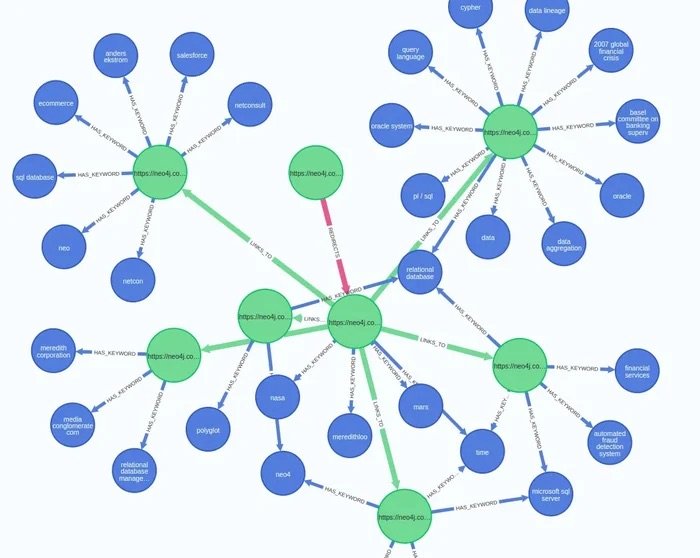
Understanding Knowledge Management Startups
Definition of Knowledge Management Startups
Imagine your business legacy—expert reports, project lessons, regulatory docs, scattered across tools like Slack, SharePoint, or Google Drive—lost in digital sprawl. According to a McKinsey study, employees spend nearly 20% of their workweek just searching for internal information or tracking down colleagues for help.1 For C-level leaders, that chaos translates to slower innovation and unreliable decisions. This is the reality that every knowledge management startup is built to address: transforming fragmented knowledge into a strategic business asset.
A knowledge management startup creates the frameworks and technologies to capture, organize, and unlock your company’s collective intelligence. Unlike traditional IT vendors, these startups integrate advanced knowledge sharing platforms, information management systems, and AI-driven analytics, empowering enterprises to move decisively, scale faster, and accelerate startup innovation. When knowledge becomes accessible and actionable, teams onboard faster, collaborate smarter, and innovate continuously.
Take Weeki as an example. We don’t just offer SaaS tools—we deliver a holistic solution, blending software with personalized guidance based on your business context. Our approach helps C-level executives, managers, and directors finally break free from the file chaos with a unified, interactive knowledge base. The business impact is measured: our clients typically cut document search time in half, see a 20–40% improvement in information accuracy, and achieve an average ROI exceeding 3x within months, as shown by deployments of our solutions like Knowledge Portal & Ontologies and Enterprise Search.
What sets knowledge management startups apart is how they model your domain-specific knowledge, automate information flows, and surface actionable insights at every level of the company. This is the invisible backbone that makes organizations truly future-proof, supporting everything from onboarding and business intelligence solutions to R&D and customer service. Modern startups in this space are not just a trend—they’re a response to the urgent need for adaptability and resilience in the knowledge economy.
Importance of Collaborative Knowledge Creation
At the core of every successful knowledge management startup is collaborative knowledge creation. In today’s fast-evolving organizations, no single individual holds all the answers. Unlocking innovation requires a free flow of ideas and practices across departments and geographies—a fact underscored by a Deloitte survey, where 94% of executives cited “collaboration” as critical to business success.2
Why is this collaboration so vital for startup innovation? When knowledge is openly shared, new trends and regulatory shifts are integrated in real time, and teams take data-driven decisions that outpace the competition. Collaborative platforms break organizational silos, ensuring best practices and lessons learned become engrained in daily routines—not buried in private folders or lost with employee turnover. This creates a virtuous cycle: better knowledge transfer strategies lead to faster response rates, leaner processes, and smarter products.
Weeki drives this collaborative edge with solutions such as Knowledge Portal & Ontologies, consolidating scattered enterprise data into a single, secure, and semantic search environment. Our clients benefit from a 50% reduction in search times, real-time compliance tracking, and seamless integration with workforce collaboration tools. With Enterprise Search, teams surface relevant answers—complete with citations and traceability—within seconds. All these tools are designed to fit your workflows, so business users can explore, visualize, and act on knowledge without technical barriers.
In the era of the knowledge economy, organizations embracing collaborative knowledge creation become industry leaders. They accelerate learning, cut down on redundant work, and build resilient innovation engines able to pivot quickly as markets change. With a partner like Weeki, you’re not just archiving knowledge—you’re building a system where expertise compounds, innovation is repeatable, and business outcomes are predictable.
1. McKinsey Global Institute, “The social economy: Unlocking value and productivity through social technologies”, 2012.
2. Deloitte, “Global Human Capital Trends,” 2023.
## Information Management Systems in Startups
In today’s hyper-competitive landscape, every knowledge management startup faces the same daily reality: a tidal wave of emails, documents, PDFs, decks, and siloed databases. Keeping up isn’t just about digital storage—it’s about turning that data glut into strategic advantage. According to IDC, companies lose up to 30% of their productivity searching for information or recreating existing knowledge—a costly weakness for fast-moving startups. So what does it take to build an information management system that truly fuels startup innovation and growth?
### Overview of Information Management Systems
Startups are designed to move fast. But when information lives in dozens of tools or buried in email threads, even the best teams hit bottlenecks. A robust information management system addresses these pain points by acting as the backbone for data-driven decision making, collaborative knowledge creation, and seamless process automation.
At its core, an information management system centralizes, structures, and secures every type of business data—think contracts, technical documentation, analytics dashboards, even unstructured content like support chats. For a knowledge management startup, this means all intellectual capital is under one digital roof, instantly accessible and ready to be leveraged.
Take the “Knowledge Portal & Ontologies” solution offered by Weeki. By combining powerful SaaS software with tailored onboarding and integrations, Weeki centralizes scattered knowledge sources such as Google Drive, SharePoint, and internal apps into an interactive visual portal. Thanks to semantic search, integrated data governance, and robust ontology modeling, organizations report up to 50% less time spent searching and 20–40% improvements in data accuracy. This integrated approach ensures critical information is not just stored, but structured for easy retrieval and actionable insights—key factors for startup innovation.
Moreover, modern systems like Weeki don’t stop at organization. With built-in AI and automation features—including deliverable automation and secure enterprise search—startups reduce duplicative work, accelerate onboarding, and gain full traceability over who accessed or modified any asset. That translates into fewer operational risks, speedier project launches, and an innovation cycle backed by reliable, up-to-date data.
### Benefits of Knowledge Sharing Platforms
No startup scales on individual effort alone—the best results come from collective expertise. Here’s where knowledge sharing platforms shine, transforming isolated know-how into shared, innovation-ready resources. McKinsey estimates that companies adopting social technologies to facilitate knowledge sharing can raise productivity of knowledge workers by 20–25%. In a startup context, that’s often the difference between market leadership and stagnation.
A true knowledge sharing platform goes far beyond static file sharing. It creates structured spaces for sharing feedback, codifying standard operating procedures (SOPs), and collaboratively updating project playbooks. Weeki’s “SOPs & Playbooks” and “Enterprise Search” solutions, for example, transform disjointed procedures into living, versioned assets, accessible across devices and kept compliant with built-in traceability. As a result, onboarding time for new hires drops, teams avoid costly errors, and institutional knowledge is preserved—even when key people leave.
This ecosystem actively breaks down silos, enabling teams to capitalize on previous learnings instead of reinventing the wheel. With everyone on the same digital page, knowledge transfer strategy turns from an aspiration into daily reality, supporting a culture where collaborative knowledge creation is the norm. Leaders make smarter, faster decisions empowered by data-driven insights, while maintaining strict controls over access and confidentiality—a non-negotiable for compliance-oriented founders and C-levels.
In short, the synergy between information management systems and dynamic knowledge sharing platforms is at the heart of every high-performing knowledge management startup. Together, they transform scattered information into a unified, interactive knowledge base that underpins startup innovation, accelerates growth, and turns your intellectual capital into measurable competitive advantage.
Need to transform your own startup’s information chaos into an automated knowledge base that drives innovation? Weeki combines flexible software solutions and personalized support, empowering ambitious teams to unlock the full value of their knowledge management and knowledge sharing platforms—tailored to your strategic priorities.
Strategies for Enhancing Startup Innovation
Implementing a Knowledge Transfer Strategy
Picture this: a key team member leaves your fast-scaling startup, taking years of domain expertise and hard-earned lessons with them, while processes stall and innovation momentum grinds to a halt. For any knowledge management startup, preventing this scenario is critical—and it starts with a robust, deliberate knowledge transfer strategy.
An effective knowledge transfer strategy goes far beyond onboarding or sharing static documents. Research indicates that Fortune 500 companies lose a combined $31.5 billion annually by failing to share knowledge efficiently (Babcock, 2004). For startups operating in high-velocity markets, every knowledge gap and repeated mistake translates into lost time-to-market and missed opportunities. The goal is to systematically capture, structure, and circulate tacit knowledge, best practices, and project insights so that every team member—from new hires to seasoned engineers—can tap into the company’s intellectual capital.
Modern knowledge sharing platforms are revolutionizing this process. With solutions like Weeki, startups can centralize all documents, technical references, research insights, and team learnings into a unified, visual knowledge base. For example, with Weeki’s “Knowledge Portal & Ontologies,” organizations can consolidate scattered resources from M365, Google Drive, or Confluence. The result? Teams typically cut search times by up to 50% and see a 20–40% improvement in information accuracy. This powerful foundation speeds up onboarding, prevents duplicate work, and helps startups accelerate the journey from idea to prototype.
For research-driven startups, Weeki’s “Literature Review” solution automates the ingestion and synthesis of market reports, academic research, and competitor analyses—delivering standardized, auditable reviews that provide a reliable backbone for innovation. Clients have reported up to a 10-times increase in review speed and a measurable ROI of 3.8, making it possible to move from chaotic data chaos to a streamlined “evidence machine” within weeks.
Importantly, structured knowledge transfer should be embedded into daily workflows. Weeki’s “SOPs & Playbooks” convert scattered Standard Operating Procedures into a governed, version-controlled, and easily accessible resource. This not only accelerates team onboarding and reduces the risk of errors but ensures that best practices, methodologies, and creative processes are standardized and repeatable across the entire organization.
Finally, knowledge transfer is an ongoing cycle—knowledge must be regularly updated, mapped, and validated. Weeki enables startups to visualize connections between projects, domains, and teams using interactive knowledge maps. This helps leadership identify knowledge gaps and collaboration bottlenecks in real-time, fostering true cross-team learning and making best practices scalable as the business grows.
A well-implemented knowledge transfer strategy isn’t just a cost center—it’s a competitive engine. By leveraging knowledge management technologies purpose-built for startups, leadership can safeguard critical know-how, increase productivity, and turn innovation into a repeatable process.
Role of Business Intelligence Solutions
Startup innovation lives or dies on the quality of decision-making. In an environment where speed is everything and pivots are frequent, having an instinct isn’t enough—teams need trustworthy, actionable insights derived from their collective data assets. This is why business intelligence solutions have become an integral part of the knowledge management startup toolbox.
Business intelligence tools transform raw organizational data—from customer feedback and financials to R&D outputs—into intuitive dashboards, reports, and analytics that can be consumed by every function. According to Dresner Advisory Services, over 59% of organizations consider business intelligence crucial to their strategic goals (Dresner, 2023). For startups, integrating BI capabilities enables leadership to anticipate trends, spot new opportunities, and base every pivot or product launch on hard data.
Where many startups fall short is keeping these insights siloed in separate reporting tools. Weeki’s “Enterprise Search” and “AI Assistants & Contact Center” change the game by embedding semantic, context-aware search and AI-powered recommendations directly within the knowledge sharing platform. That means whether you’re in product, finance, or sales, you can instantly surface meaningful insights, relevant citations, or even anomaly alerts—curated from your company’s full knowledge ecosystem and always within a governed, secure environment.
Automation pushes BI even further. With Weeki’s “Deliverables Automation,” startups can turn recurring reports, presentations, compliance documents, or analytics dashboards into one-click deliverables. Teams routinely report a 60–80% reduction in manual reporting time, verifiable traceability for regulatory needs, and near-immediate ROI—all freeing up resources to focus on creative, high-value tasks.
Ultimately, the value of business intelligence for a knowledge management startup is not just in reporting—it’s about operationalizing data-driven decision making in every workflow. When BI is seamlessly integrated with knowledge transfer systems, it ensures that hard-earned insights aren’t just archived—they’re consistently leveraged to drive strategy, execution, and innovation at scale.
If boosting innovation velocity is top priority for your startup, Weeki’s SaaS and tailored automation services can help unify your knowledge assets, embed continuous AI-powered analysis, and empower every team to make smarter, faster decisions in real-time. This is how high-growth companies transform knowledge into their strongest competitive advantage.
Leveraging Intellectual Capital
Effective Management of Intellectual Resources
In today’s hyper-competitive environment, every knowledge management startup faces a familiar threat: valuable insights stuck in silos, missed opportunities for innovation, and critical know-how lost with team turnover. According to a McKinsey study, employees spend nearly 20% of their workweek searching for internal information or tracking down colleagues for answers. For a startup, that’s time and brainpower that could fuel growth, not redundancy. So, how can leaders transform scattered intellectual capital into a strategic engine for startup innovation and competitive advantage?
Effective intellectual capital management starts by reimagining intellectual resources as strategic assets—just as crucial as financial capital or infrastructure. The collective expertise, proprietary data, and operational know-how within your team can’t just be stored; they have to be curated, activated, and protected. When managed correctly, these resources drive smarter, faster, and more reliable data-driven decision making.
Structuring and Mapping Knowledge
The first move toward a true knowledge-driven organization is building a solid information management system. For knowledge management startups, this means going beyond simple document storage: it requires consolidating knowledge sharing platforms, databases, and unstructured files—then modeling the relationships between knowledge assets.
Take Weeki’s “Knowledge Portal & Ontologies” solution, for example. By integrating M365, Google Drive, SharePoint, and Confluence into a single, governed knowledge repository built on ontologies and knowledge graphs, teams can reduce search time by 50% and increase content accuracy by 20–40%. With seamless enterprise search and contextual AI assistants, knowledge becomes instantly accessible, traceable, and actionable. This unified environment helps teams break down silos, promotes collaborative knowledge creation, and lays the foundation for advanced business intelligence solutions.
When knowledge is both structured and contextually mapped, AI agents can draw connections between disparate data points, generating new analytics, powering predictive models, and surfacing trends nobody expected. For instance, a knowledge management startup using an automated literature review platform saw a 10x increase in research speed and up to 3.8x ROI, putting reliable insights and competitive intelligence in every team member’s hands.
Enabling Collaborative Knowledge Creation
Startup innovation thrives on collaboration. The most forward-thinking knowledge management startups know that a robust knowledge sharing platform isn’t just a repository—it’s the backbone of a learning organization. Here, teams refine best practices, generate new ideas, and accelerate onboarding by building on a shared base of intellectual capital.
Weeki advances this idea with a trusted enterprise search and AI-powered assistants that connect siloed data in a secure, permission-controlled environment. Teams gain instant access to up-to-date knowledge, with every source traceable and verifiable. This not only enhances trust and productivity but also supports real-time knowledge transfer strategies and fast, aligned execution—vital during rapid growth or pivots.
The evidence speaks for itself: studies by Deloitte show that companies with strong knowledge sharing cultures are 3x more likely to outperform their peers in innovation. With Weeki, collaborative knowledge creation becomes measurable, secure, and strategic, enabling organizations to keep pace with knowledge economy trends.
Protecting and Growing Intellectual Capital
Amid constant change—think scaling, turnover, or evolving regulations—protecting institutional memory is non-negotiable. Knowledge retention practices, such as standardized SOPs and playbooks, ensure a startup’s hard-won know-how endures, no matter how fast the team evolves.
Weeki’s SOPs & Playbooks solution automates the creation, governance, and sharing of standardized procedures, reducing onboarding and resolution times. All documentation remains accessible, secure, and version-controlled, transforming tacit knowledge into reusable, compliant, and measurable execution.
But protection is only half the equation. When advanced business intelligence solutions—like Weeki’s data governance tools and predictive analytics—are layered onto a unified knowledge management system, startups unlock trends, mitigate risks, and uncover new market opportunities. According to PwC, companies leveraging data-driven insights are 5x more likely to make faster decisions than their competitors.
In sum, leveraging intellectual capital isn’t just about preventing loss; it’s about driving scalable, sustainable growth. If you want to unlock your team’s full potential and harness the best of data-driven startup innovation, explore how Weeki’s holistic approach—software, services, and tailored integration—can activate, centralize, and protect your intellectual assets and keep your business ahead of the curve.
Aligning with Knowledge Economy Trends
Insights on Current Trends
In today’s lightning-paced business climate, C-level executives and founders of knowledge management startups face a pressing challenge: how can they transform scattered information into a strategic business asset? Research from McKinsey shows that employees waste nearly 20% of their time searching for internal information or tracking down colleagues who can help with specific tasks—a clear signal that smarter knowledge management is crucial for competitive advantage.1
A standout trend in the evolving knowledge economy is the shift from static, siloed knowledge repositories to unified, AI-powered knowledge bases that are both interactive and automation-ready. Market leaders are replacing fragmented document shares with knowledge management platforms that allow teams to import, centralize, and structure everything—documents, emails, PDFs, CRM notes, even web-scraped data—into a single, governed knowledge graph. According to Gartner, by 2025, 60% of knowledge work will be supported by context-aware AI, making centralized information management not just best practice, but essential.2
Moreover, the demand for dynamic knowledge sharing platforms has never been higher. Today’s knowledge management startup isn’t just about storing files—it’s about empowering real-time collaborative knowledge creation. Leading platforms let cross-functional teams co-create, refine, and link insights, all while AI agents surface relevant content, automate categorization, and flag knowledge gaps. Early-stage startups are already harnessing these tools, integrating business intelligence solutions to power data-driven decision making and speed up innovation cycles.
Another major milestone: the rise of intellectual capital management. Forward-looking organizations now treat not just explicit data, but also tacit know-how (like decision-making flows and expert judgment), as invaluable assets. For instance, PwC’s Global Knowledge Management Survey found that companies with robust knowledge transfer strategies see up to 35% faster onboarding and 25% less error repetition.3 Effective knowledge retention practices and smooth transfer of institutional memory are now core to sustainable startup innovation.
No trend is more transformative, however, than digital transformation in startups. With compliance and governance playing a bigger role—driven by frameworks like the EU’s AI Act and increasing industry scrutiny—the ability to automate processes, ensure traceability, and govern data from day one is a must-have.
This is where Weeki stands out as a true enabler for the knowledge economy. By seamlessly combining a powerful SaaS platform with tailored automation services, Weeki’s solutions help startups stay in sync with these trends at every stage. For example, Weeki’s Knowledge Portal & Ontologies centralizes fragmented content—be it from Microsoft 365, Google Drive, or SharePoint—into one secure ecosystem, enabling semantic enterprise search and cutting document search times by up to 50%. AI Assistants & Contact Center solutions enable efficient, compliant support with measurable impact on KPIs like FCR and CSAT. Automated knowledge transfer and deliverables generators reduce onboarding time and content production effort by up to 80%, while robust Data Governance & Compliance tools help ensure alignment with the latest regulations and industry best practices. These approaches transform knowledge chaos into a single, traceable, and actionable environment.
Bottom line: staying current with knowledge economy trends is non-negotiable for knowledge management startups. It empowers leaders to select the right knowledge management technologies, champion startup innovation, and build strategic advantage. For top management, it’s not just about following fashionable buzzwords—it’s about securing a future-ready, scalable, and productive organization.
1 McKinsey Global Institute, “The social economy: Unlocking value and productivity through social technologies,” 2012.
2 Gartner, “Predicts 2021: Knowledge Management,” 2020.
3 PwC, “Global Knowledge Management Survey,” 2023.
## Characteristics of a Learning Organization ##
### Promoting Continuous Learning ###
What sets apart a truly innovative knowledge management startup from the rest? In today’s market, where change is constant and technology advances rapidly, fostering a culture of continuous learning is the single most effective lever to drive startup innovation, adapt quickly, and future-proof your business. According to Deloitte (2021), organizations that invest in ongoing learning are 52% more productive and enjoy a 17% higher profit margin on average—a compelling case for embedding learning at every level.
For knowledge management startups, continuous learning starts with collaborative knowledge creation. Leaders need to go beyond simply encouraging professional development; they must systematize it. Modern knowledge sharing platforms—like those integrated by Weeki—are built to centralize information, blend resources from multiple sources (documents, databases, industry research), and enable real-time knowledge transfer strategies. For example, Weeki’s “Knowledge Portal & Ontologies” solution allows startups to unify scattered documents from tools like M365, Confluence, and Google Drive into a single, structured repository. This not only reduces search time by up to 50%, but also fosters a shared, continually evolving intellectual capital that can survive staff turnover or business pivots.
The most impactful knowledge management startups also empower their teams to make data-driven decisions, not just rely on intuition. Using business intelligence solutions and workforce collaboration tools, such as Weeki’s “Enterprise Search,” teams can surface critical insights from vast internal and external data pools. With semantic search capabilities and audit trails, knowledge is not merely stored—it’s actively used to shape competitive strategies. According to a McKinsey study, organizations leveraging enterprise search technologies see a 25–35% reduction in duplicate work and up to a 40% improvement in project execution speed.
Cultivating a learning organization goes further than giving people access to content. It’s about embedding curiosity, experimentation, and critical thinking into daily operations. Startups that deploy smart AI assistants and automated literature reviews with tools like Weeki’s “AI Assistants & Contact Center” and “Literature Review” don’t just deliver answers—they stimulate ongoing questioning, recommend relevant resources, and promote applied learning. This continuous learning cycle ensures that knowledge is rapidly absorbed, contextualized, and put into action, accelerating the path from ideation to measurable outcomes.
For C-level leaders and managers, the business case is clear: Investing in SaaS platforms and expert-backed automations—like Weeki’s suite of integrated solutions—translates into higher team resilience, faster onboarding, enhanced compliance, and greater adaptability to knowledge economy trends. With knowledge retention practices built right in, your startup is equipped not just to keep up, but to lead in shaping the future of your sector.## Importance of Knowledge Retention Practices ##
In today’s fast-paced business landscape, losing access to critical knowledge can cripple even the most promising knowledge management startup. Consider this: according to Panopto’s 2019 Workplace Knowledge Report, U.S. businesses lose more than $47 million in productivity each year just from failing to retain and share knowledge effectively. As teams scale, roles change, and employees move on, making sure expertise stays within reach is not just a matter of efficiency—it’s mission-critical for sustainable startup innovation and resilience.
A strategic approach to knowledge retention practices is no longer optional. Knowledge management startups that prioritize these practices gain a vital edge: they protect intellectual capital, accelerate onboarding, and support data-driven decision making, even during rapid growth or transformation. Below, we break down three key techniques to build robust knowledge retention into your organization—and show how specialized solutions like those from Weeki turn theory into measurable business impact.
**1. Systematic Documentation and Centralization**
At the heart of effective knowledge retention is scrupulous documentation and centralization. For a knowledge management startup, this means moving beyond scattered folders or isolated Google Docs and into a governed, unified ecosystem. Weeki responds to this need by offering a centralized “Knowledge Portal & Ontologies” platform that aggregates content from disparate sources—like M365, SharePoint, or Confluence—into a single knowledge base. This hub uses knowledge graphs and ontologies to semantically link and govern critical content, resulting in a 50% reduction in search time and up to a 40% increase in information accuracy based on customer feedback.
Centralized documentation isn’t just about storage—it’s about making knowledge easily discoverable, traceable, and ready for collaborative knowledge creation. For example, by deploying Weeki’s platform, a C-level leader can ensure that new hires are up to speed 50% faster and that knowledge assets are always audit-ready—a crucial point for intellectual capital management in compliance-driven sectors.
**2. Making Tacit Knowledge Explicit**
One of the thorniest challenges for any information management system is unlocking “tacit” know-how—the unwritten expertise that usually exists only in the heads of experienced employees. Studies suggest that as much as 42% of employee skills are tacit and not captured formally. Weeki tackles this by converting informal processes into governed SOPs and digital playbooks. Teams can collaboratively document, version, and validate their best practices, transforming on-the-job intuition into step-by-step guides.
By linking these SOPs and playbooks directly to real cases, underlying data, or even embedded AI assistants for real-time Q&A, knowledge management startups ensure continuity. A practical example: manufacturing firms using such systems have reduced onboarding time for new operators by up to 60%, minimizing costly errors and knowledge gaps when staff turnover occurs. In rapidly evolving organizations, this supports not just operational continuity but also the evolution of a true learning organization.
**3. Leveraging AI and Automation for Retention**
As the data deluge grows, AI and automation emerge as powerful allies for knowledge retention. Forward-thinking knowledge management startups now use AI-driven ingestion to deduplicate, synthesize, and keep knowledge fresh. Weeki’s solutions for “Literature Review” and “Deliverables Automation” don’t just collect and store information. They extract actionable insights, validate content compliance, and automate the creation of ready-to-use deliverables—reducing manual workloads by 60–80% and boosting ROI by up to 3.8 times.
With this automated approach, your knowledge base feeds directly into downstream business intelligence solutions. Teams are empowered to make faster, data-driven decisions, with the confidence that all information is current, reliable, and governed. This also strengthens data governance and compliance—an increasingly important requirement with new regulations in the knowledge economy.
A knowledge management startup that embeds these retention-focused practices not only mitigates the risk of losing critical know-how to talent churn but also accelerates startup innovation, supports digital transformation in startups, and ensures business continuity even as the market landscape evolves.
Thinking about leveling up your company’s knowledge retention, collaboration, or automation? Weeki’s blend of SaaS and tailored expert services adapts seamlessly—whether you’re centralizing information, standardizing processes, or embedding AI-powered knowledge management technologies for the next phase of your business growth.## Enhancing Team Dynamics with Collaboration Tools
### Effectiveness of Workforce Collaboration Tools
For any knowledge management startup, building a high-performance team hinges on more than technical prowess or market timing—success depends on collaboration. Yet, McKinsey reports that employees spend nearly 20% of their week searching for internal information or tracking down colleagues for help, underscoring just how fragmented knowledge ecosystems can hinder productivity (McKinsey, 2012). In fast-paced startups, these knowledge silos are not only demoralizing—they stall the collaborative knowledge creation essential for startup innovation.
Modern workforce collaboration tools do much more than facilitate chat or file exchange. For knowledge management startups, the latest solutions unify information management systems, document repositories, project tracking, and real-time co-authoring into a single cohesive environment. Imagine a team accessing a centralized knowledge sharing platform where every file, insight, and process links back to business objectives—reducing search times by up to 50% and improving information accuracy by 20–40%, results frequently observed with platforms like Weeki’s Knowledge Portal & Ontologies solution. This isn’t just operational convenience—it’s a strategic foundation for data-driven decision making and knowledge retention practices.
Crucially, workforce collaboration tools also transform company culture. By mapping contributions in an interactive knowledge graph, employees can instantly see how their work supports broader goals—a cornerstone of effective intellectual capital management. Tools that draw on ontologies and semantic search uncover hidden connections, highlight expertise, and make onboarding seamless, which accelerates startup innovation even as teams expand or pivot. A notable example: many Weeki clients report a threefold improvement in onboarding speed and a measurable uplift in team alignment.
Beyond connectivity, the new generation of collaboration platforms, often powered by AI, add tangible business intelligence solutions. Leaders gain real-time visibility: dashboards highlight bottlenecks, AI-powered assistants automate routine questions, and custom agents generate ready-to-use deliverables—from reports to regulatory files—all while ensuring compliance and traceability. With Weeki’s suite, organizations frequently achieve ROI in less than 45 days and can scale their automations with minimal technical intervention.
In today’s knowledge economy, where entrepreneurship in knowledge management is increasingly data-centric, the impact is clear. Effective collaboration tools foster trust, transparency, and continuous learning—defining features of a true learning organization. With Weeki’s dual offering—combining intuitive SaaS solutions and custom services tailored to each client’s knowledge management technologies—leaders can systematically dissolve file chaos, enable seamless knowledge transfer strategies, and establish knowledge as a core business asset. Ultimately, embracing the right digital transformation in startups with collaborative tools elevates both team dynamics and the innovation trajectory. If your goal is to create an agile, innovation-driven culture, investing in next-gen workforce collaboration tools is the catalyst you need.
Intersection of Entrepreneurship and Knowledge Management
Utilizing Knowledge Management for Growth
Is your startup overwhelmed by information but struggling to turn that raw data into growth? This is a familiar reality for many founders and C-level leaders. A knowledge management startup navigates this challenge by providing more than a data dump—it delivers an intelligent backbone for innovation and decision making. At this intersection of entrepreneurship and knowledge management, companies that master knowledge processes consistently outperform the competition.
1. Knowledge as a True Competitive Advantage
Building a structured knowledge sharing platform is now a must-have, not a nice-to-have. According to McKinsey, employees typically spend nearly 20% of their time searching for internal information. By adopting advanced knowledge management solutions early, entrepreneurs drastically accelerate onboarding and reduce duplicated efforts, freeing up talent for value creation.
Take, for example, the “Knowledge Portal & Ontologies” SaaS solution offered by Weeki. By centralizing scattered documents, research, strategies and operational know-how into a secure, governed portal, teams can reduce search time by up to 50% and benefit from a 20–40% boost in information accuracy. This becomes the launchpad for scalable startup innovation, turning collective experience into a reusable asset and minimizing the risk of “knowledge loss” as teams grow and evolve.
2. Driving Data-Driven Decision Making
Entrepreneurship in knowledge management is fundamentally about turning information into actionable insights. A modern information management system—like the semantic Enterprise Search or AI-powered Assistants from Weeki—enables leaders to tap into curated, company-specific intelligence with just a query. Research from Deloitte indicates that companies making data-driven decisions are five times more likely to make faster decisions than their peers.
These tools do more than just speed up processes; they provide secure, cited, and explainable answers to high-stakes questions, supporting evidence-based strategic moves. For founders and managers, this means fewer hunches, more confident pivots, and the ability to operationalize intellectual capital management across the business.
3. Scaling Operations with Automated, Repeatable Workflows
When growth surges, manual knowledge transfer kills momentum. A robust knowledge management startup mindset automates frequent, high-value workflows—think policy documentation, regulatory reporting, or even customer deliverables. For instance, Weeki’s “Deliverables Automation” and SOPs & Playbooks transform complex, manual processes into governed, end-to-end flows. The result? Document production times shrink by 60–80%, and compliance becomes repeatable, traceable, and auditable.
This level of automation ties directly into knowledge retention practices. It keeps critical expertise embedded in standardized processes, not lost in email threads. Companies that master this create a learning organization by design—one that adapts quickly, scales efficiently, and never “forgets” what works. The Harvard Business Review has found that high-performing learning organizations see revenue per employee that is 2.6 times higher than their peers.
Ready to Transform Knowledge Chaos Into Growth?
C-level teams that treat knowledge management as core business infrastructure drive innovation and resilience. With a partner like Weeki—combining robust SaaS solutions and bespoke, ongoing support—your startup can unify its knowledge assets, automate repeatable tasks, and scale data-driven decision making in step with your growth ambitions. Each solution is adaptable, combining software and custom integration to fit your context.
In short, the synergy between knowledge management and entrepreneurship is the secret sauce for modern business success. Don’t let knowledge slip through the cracks—make it your engine for sustainable growth, streamlined collaboration, and market leadership in a knowledge-driven economy.## Role of Digital Transformation ##
### Enhancing Knowledge Management Practices ###
Digital transformation in startups is not just a buzzword—it’s a game-changer for any knowledge management startup striving for sustainable growth and real innovation. Consider this: Gartner reports that by 2025, 70% of organizations will have shifted from siloed knowledge repositories to centralized, AI-enhanced knowledge management solutions. But why do so many startups still find themselves wading through information overload, unable to extract actionable insights? The key difference lies in how deeply they embrace digital transformation to fundamentally revamp their knowledge practices.
For C-level executives and innovation leaders, leveraging digital transformation in startups means moving from fragmented data and “file chaos” to a dynamic, intelligent knowledge environment. By digitizing and automating core information management systems, knowledge management startups can streamline how knowledge is collected, organized, and accessed. This is more than a technical improvement—it’s a strategic overhaul that enables rapid decision-making, sharper analytics, and even new business models.
Take, for example, the case of startups deploying unified knowledge sharing platforms like Weeki. With Weeki’s Knowledge Portal & Ontologies solution, scattered data from sources such as M365, Google Drive, or Confluence can be centralized into a single, governed portal. The results speak for themselves: organizations typically decrease search time by about 50% and increase data accuracy by up to 40%. This means teams spend less time searching and more time delivering results—a core driver for startup innovation.
The automation component is equally powerful. Through Weeki’s Deliverables Automation or Enterprise Search solutions, startups can automatically generate reports, presentations, or regulatory documents from the governed knowledge base, slashing document creation time by over 60% while boosting traceability and compliance. A knowledge management startup leveraging these technologies will see both productivity and ROI increase rapidly—Gartner cites a potential ROI within the first 30 to 45 days of deployment.
Moreover, digital transformation turbocharges collaborative knowledge creation. Tools like Weeki’s AI Assistants & Contact Center make real-time expert tagging, semantic search, and co-authoring the norm. According to McKinsey, companies using advanced collaboration tools realize a 20–30% boost in productivity across teams. These technologies foster a culture of continuous learning and innovation, both essential elements of a learning organization aligned with current knowledge economy trends.
Lastly, digital transformation is inseparable from sound intellectual capital management. AI-powered business intelligence solutions, such as those provided by Weeki, convert raw data into strategic recommendations and actionable deliverables, supporting data-driven decision making at every level. For startups looking to secure their competitive edge—whether by automating knowledge transfer strategies, optimizing compliance, or becoming more resilient to market changes—digital transformation is no longer optional.
For knowledge management startups aiming to retain key expertise and support agile teams, integrating modern knowledge management technologies is now a fundamental requirement. With platforms like Weeki, startups get not only a robust SaaS offering, but tailored support to ensure their unique context is addressed—perfect for those ready to leave behind information chaos and embrace a future where innovation is truly data-driven and scalable. Now’s the time to take the leap and let digital transformation turn your organization’s knowledge into a lasting strategic asset.
Key Knowledge Management Technologies
Importance for Startups
Imagine your startup’s pace doubling—new clients, accelerated projects, constant pivots. But before you know it, key knowledge is lost in fragmented drives, siloed emails, or forgotten Slack threads. According to McKinsey, knowledge workers spend nearly 20% of their week searching for internal information or tracking down colleagues who can help with specific tasks. For a knowledge management startup, this kind of inefficiency can stunt innovation and growth.
This reality is driving C-level leaders to adopt advanced knowledge management technologies as a strategic necessity. These solutions transform the complexity of daily data—spanning dashboards, reports, emails, PDFs, and databases—into a unified, dynamic asset. In fact, Deloitte reports that organizations deploying smart knowledge management platforms improve decision-making speed by up to 25% and increase productivity across teams.
Unlike traditional document storage, today’s knowledge management technologies offer a leap in operational capability. Startups need platforms that not only centralize and automate the collection of knowledge but also interlink scattered sources—think file repositories, internal tools, scraped web data—into an interactive, actionable ecosystem. Modern systems let you build an ontology, visualize connections, and collaborate in real time. This shift changes the game: startups move from firefighting data chaos to harnessing a knowledge sharing platform that boosts startup innovation, intellectual capital management, and seamless knowledge transfer strategy.
Core technologies powering this transformation include:
- AI-Driven Knowledge Graphs and Ontologies: These create a structured, contextual web linking all enterprise knowledge. For example, implementing an AI-powered ontology can cut research and onboarding time in half, enabling new team members to become productive faster. With Weeki’s Knowledge Portal & Ontologies, startups centralize their knowledge using secure, governed ontologies—reducing search time by 50% and improving accuracy by up to 40%.
- Enterprise Search and Knowledge Portals: Unified enterprise search breaks silos, giving teams instant access to every relevant document or data point while ensuring data security and compliance. Weeki’s Enterprise Search delivers semantic, traceable answers with permission management, helping organizations reach ROI within just 30 days of deployment.
- Collaboration and Automation Tools: Integrated AI assistants and workflow automation eliminate repetitive administrative tasks. With solutions like Weeki’s AI Assistants & Contact Center, startups see measurable gains in support efficiency—KPIs like first-call resolution and customer satisfaction can improve in as little as 6 weeks.
Deploying these knowledge management technologies unlocks significant efficiencies. A recent IDC study suggests that companies leveraging unified information management systems report 33% higher team productivity. For startups, the right platform means faster knowledge sharing, robust knowledge retention practices, and a direct impact on business outcomes, whether you’re scaling processes, onboarding new hires, or building a learning organization primed for continuous innovation.
Weeki sits at the heart of this transformation. By combining tailored software solutions with expert support—adapting to each company’s digital transformation maturity—Weeki empowers knowledge management startups to turn their scattered data into an interactive, AI-ready knowledge base. From automated literature reviews and governed content production to advanced data governance and business intelligence solutions, Weeki delivers the adaptability and compliance modern startups need to stay ahead.
Bottom line: in an era defined by startup innovation and fast-moving knowledge economy trends, embracing best-in-class knowledge management technologies isn’t optional—it’s survival. Equip your teams with the right collaborative knowledge creation tools, automation, and data-driven decision making power, and your knowledge management startup will have the foundation it needs to lead into the future.## Frequently Asked Questions
### Addressing Common Inquiries
**How can a knowledge management startup conquer scattered documentation and information overload?**
Many C-level executives share a pressing frustration: crucial knowledge is buried in emails, cloud drives, and siloed databases. In fact, McKinsey estimates that employees spend nearly 20% of their workweek—almost one day per week—searching for information. This loss in productivity hampers innovation and slows business growth.
The fastest path forward is unifying your knowledge assets. A solution like Weeki empowers startups to centralize documents, spreadsheets, databases, and even data scraped from the web, all within a single, structured, and secure knowledge portal. Thanks to knowledge graphs and robust ontology models, Weeki reduces information search time by approximately 50%, providing a knowledge sharing platform that transforms mere storage into interactive collaboration. Security and compliance are built-in—from audit logs to role-based access—streamlining governance for startups aiming to scale.
**What are some quick wins when deploying a knowledge sharing platform in a startup?**
Early success is vital for momentum and team buy-in. Start by leveraging enterprise search solutions that unify internal content—across Google Drive, SharePoint, Confluence, and more—while maintaining user permissions. Weeki’s semantic enterprise search delivers precise, source-cited answers instantly, helping teams cut down on duplicates, reduce communication breakdowns, and recover up to 30% of previously wasted work hours.
Take it up a notch with AI assistants tailored to your business processes. These tools can automate support requests, generate standardized deliverables, and handle routine documentation. Real-world results show startups reduce support ticket loads and accelerate project delivery, often seeing ROI in less than two months. Investing in a smart knowledge management platform not only boosts startup innovation but also makes every knowledge transfer strategy seamless from day one.
**How do startups retain expertise and protect against information loss during rapid team changes?**
With high turnover and evolving teams, startups risk losing intellectual capital every time an employee leaves. According to Deloitte, 42% of companies identify knowledge loss as a key risk when people exit.
The solution: transform procedures and business know-how into a living library of SOPs and playbooks. Weeki enables startups to convert undocumented processes into accessible, versioned, and auditable resources—making onboarding faster and ensuring business continuity. For example, structured SOPs and playbooks stored in Weeki’s platform become reference points for new hires and keep compliance tight as you grow, safeguarding valuable organizational memory.
**What’s a smart way for a knowledge management startup to keep pace with knowledge economy trends and drive ongoing innovation?**
Continuous learning is the secret advantage of leading startups. Foster a learning organization by choosing platforms that enable collaborative knowledge creation, track revisions, and facilitate seamless knowledge transfer across workflows. With Weeki, you gain real-time analytics and business intelligence dashboards powered by your company’s own data—so you can spot gaps, adapt faster, and make smarter, data-driven decisions before competitors do.
As an example, companies leveraging knowledge management technologies like Weeki report up to a 40% increase in organizational learning rates and speed to market. By embedding analytics and knowledge sharing into daily workflows, startups align with knowledge economy trends and fuel relentless innovation.
**How can digital transformation strengthen knowledge management strategies in startups?**
Digital transformation in startups isn’t just about adopting new tools—it’s about fundamentally changing how teams access, use, and trust information. Instead of navigating messy folders and manual processes, Weeki offers a smart, interactive information management system. This approach powers process automation, enables predictive analytics, and ensures knowledge is always available, traceable, and actionable.
The strength of Weeki lies in its two-pronged offering: modular SaaS solutions for instant deployment, backed by a hands-on service approach for tailored strategies and integrations. This adaptive model lets startups grow capabilities at their pace, strengthen knowledge retention practices, and keep operations ahead of the digital transformation curve.
**Do you have a unique knowledge management challenge?**
Every startup has distinct circumstances, whether you need automated literature reviews, advanced governance, content production automation, or sophisticated AI-driven insights. Weeki’s combined SaaS and specialized service model offers a modular approach tailored to your specific business goals. If accelerating innovation, increasing compliance, or extracting new value from your knowledge base are top priorities, now’s the time to explore solutions designed for next-generation knowledge management startups.