
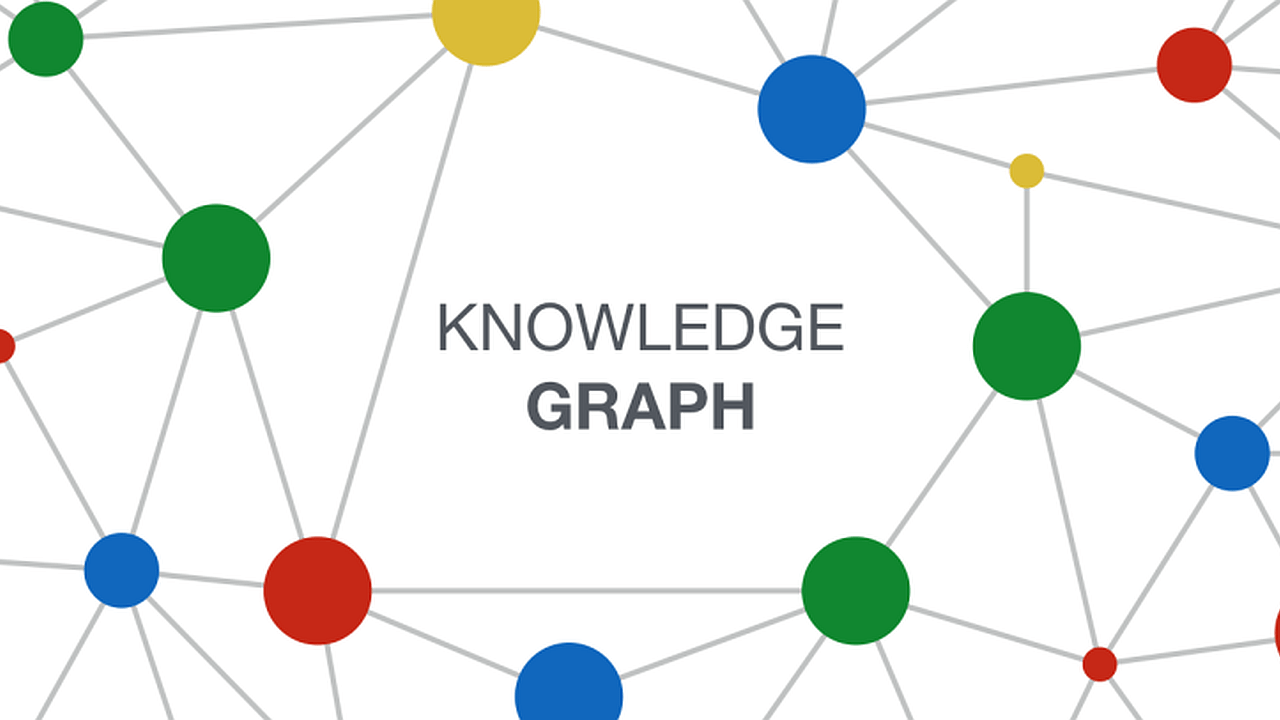
Understanding Knowledge Management
Definition and Historical Development
The knowledge management notion is often mentioned but rarely fully leveraged, even by high-performing organizations. Remember the typical late-90s tech startup: project notes scattered across desks, critical insights lost in overflowing inboxes, and institutional know-how disappearing as teams turned over. As early as the 1990s, the explosion of digital tools and the pace of innovation exposed the limitations of traditional, paper-based filing and siloed information. According to IBM, organizations spend up to 30% of their time searching for information—an inefficiency that gave rise to the modern knowledge management notion.
At its core, knowledge management is a set of processes and systems designed to capture, structure, and disseminate organizational knowledge—turning both explicit data (documents, databases, protocols) and tacit know-how (skills, best practices, hands-on experience) into actionable assets. This discipline emerged as businesses realized that knowledge, unlike physical capital, could easily become fragmented or lost, directly impacting agility and innovation.
Knowledge management started with a focus on document digitization and content repositories. Over time, it matured: from simple intranets to systems supporting real-time collaboration, knowledge graphs, and advanced semantic search. Today, leading organizations take it further, using AI-enhanced retrieval and interactive models to make decision-making faster, more reliable, and more innovative. Harvard Business Review reports that companies excelling in knowledge management can reduce rework by up to 40% and boost project delivery speed by more than 35%.
In summary, the rise of the knowledge management notion has shifted companies away from merely storing documents to managing a strategic resource—one that underpins organizational learning, speeds up knowledge sharing, and helps preserve intellectual capital in a volatile business environment.
The significance of knowledge management in contemporary organizations
Why is mastering the knowledge management notion now considered mission-critical by executives? Today, enterprises operate in a context of constant change: globalized teams, tight compliance standards, and exponential growth in both data inflow and required expertise. A 2023 Gartner survey found that 67% of business leaders see knowledge loss, especially during turnover, as a top operational risk.
Effective knowledge management systems safeguard against this risk by ensuring institutional know-how isn’t just archived, but immediately accessible and actionable—empowering onboarding, rapid upskilling, regulatory compliance, and breakthrough innovation. For example, with Weeki’s solutions, companies can centralize and model thousands of documents, emails, and datasets into governed knowledge graphs—making traceability and auditable knowledge a reality rather than a dream. The results: teams consistently report finding information in half the time and reducing compliance headaches by up to 60%.
Modern leaders aren’t looking for just another document repository. They demand knowledge management processes that foster collaboration, connect siloed expertise, and deliver context-rich insights on demand. Weeki’s unique blend of SaaS and tailored services delivers just that, transforming information chaos into a living knowledge ecosystem—one that grows with your business, secures your organizational learning, and optimizes both routine and strategic decision-making.
Put simply, the knowledge management notion is now the cornerstone of operational continuity, speed, and innovation. It ensures that company decisions are based not merely on raw data but on curated, distilled, and systematically governed knowledge—building a foundation of resilience and sustainable growth.
Knowledge Management Systems
Types of systems and the role of technology in enhancing knowledge sharing tools
As the knowledge management notion has matured, the range of supporting systems has expanded dramatically. Today’s knowledge management systems come in several key forms:
- Document and content management systems (e.g., SharePoint, Confluence) — Secure and index files, managing versions and permissions across distributed teams.
- Enterprise search and semantic portals — Deliver unified, permission-based search, often powered by AI and knowledge graphs for rapid, context-driven retrieval.
- Knowledge portals and ontologies — Structure company knowledge around taxonomies and visual models, simplifying navigation and surfacing hidden expertise.
- Collaboration platforms and social intranets — Support real-time sharing, knowledge co-creation, and tacit exchange through discussion forums and project spaces.
- AI assistants and automation engines — Provide actionable answers, automate repetitive processes, and generate key deliverables using governed information.
The role of technology has gone far beyond storing and indexing documents. Modern solutions—like those designed by Weeki—integrate data from M365, Google Drive, and internal databases, enhancing it with ontologies and knowledge graphs. This results in search experiences that are not only faster (teams often experience up to 50% reduction in search time) but also more accurate, thanks to context-aware retrieval and embedded compliance features.
Advanced knowledge management tools go a step further, deploying AI-driven agents for automated Q&A, predictive analytics, and process automation. For instance, Weeki’s AI assistants can synthesize information, flag regulatory gaps, and generate deliverables with audit logs, transforming the speed and reliability of support operations—no coding required. According to Deloitte, organizations leveraging automation in knowledge management see up to 30% higher employee productivity and marked improvements in both customer and stakeholder satisfaction.
Crucially, centralizing and visually mapping collaborative knowledge breaks down entrenched silos and supports seamless knowledge sharing across the enterprise. Visual, interactive maps—like those enabled by Weeki—empower teams to explore links between concepts, capture insights in context, and foster shared understanding at scale. This turns passive data repositories into living, strategic assets, driving continuous improvement.
For executives, the imperative is clear: effective knowledge management systems aren’t just about software. They’re about choosing and orchestrating the right mix of technologies and strategies to ensure secure, scalable, and context-rich knowledge sharing—laying the groundwork for organizational learning, innovation, and resilience in a competitive, knowledge-driven economy.
## Exploring Knowledge Sharing
### Definition and Importance
Picture this: a multinational firm deploys a groundbreaking customer insight technique in its Singapore office, but months later, its Paris branch continues to reinvent the wheel—wasting time, resources, and market opportunities. This real-world scenario captures the high cost of ineffective knowledge sharing, even in organizations with sophisticated knowledge management systems. According to a Deloitte survey, nearly 75% of executives believe effective knowledge sharing directly impacts company growth and innovation, yet over 40% struggle with persistent information silos. Unlocking the full potential of the knowledge management notion means making knowledge flow seamlessly, securely, and as part of daily business operations.
At its core, knowledge sharing is the deliberate and structured process by which teams and individuals exchange information, insights, and expertise across the organization. It’s not just about archiving data in a digital repository. True value arises when knowledge management systems cultivate a dynamic environment: one where the right intelligence moves effortlessly to where and when it’s needed most. This fosters collaboration, reduces redundancy, and accelerates organizational learning—key objectives for today’s knowledge-driven enterprises.
For C-level executives, robust knowledge sharing translates directly into faster innovation cycles, sharper decision-making, and enhanced resilience. McKinsey’s research suggests that organizations with streamlined knowledge sharing processes can increase productivity by up to 35%—“working smarter, not harder”—while building lasting intellectual capital. In the context of the knowledge management notion, facilitating open and reliable sharing across business units bolsters competitive advantage, especially in volatile markets.
#### Strategies to Promote Effective Knowledge Sharing and Barriers to Overcome
Unlocking the benefits of knowledge sharing as part of an effective knowledge management strategy requires an integrated approach—blending organizational culture, enabling technology, and leadership vision. Proven strategies include:
– Building a Collaborative Culture: Foster an environment where open communication is the norm and sharing expertise is recognized, not penalized. Google, for instance, attributes much of its success to actively rewarding peer-to-peer learning and transparent feedback.
– Leveraging Advanced Knowledge Management Systems: Modern unified knowledge portals, such as those built on knowledge graphs and powered by AI (see contextualized solutions below), break down silos and turn data chaos into actionable intelligence. Studies indicate that companies leveraging these systems reduce search time for information by up to 40%.
– Standardizing and Automating Processes: Implementing rigorous workflows—like SOP libraries and interactive playbooks—transforms implicit know-how into explicit, reusable organizational assets. A standardized approach ensures knowledge isn’t lost amid personnel changes or growth.
Yet, tangible barriers often derail even the best intentions:
– Cultural Resistance: Mistrust or fear of job security can hinder openness. For example, in highly competitive industries, 25% of employees report withholding expertise to maintain their personal edge (Harvard Business Review, 2020).
– Inadequate Incentives: A lack of formal recognition or tangible rewards for sharing knowledge reduces active participation. When performance evaluations omit knowledge sharing metrics, engagement often plummets.
– Fragmented Technology Ecosystems: Disconnected document repositories and disparate business apps undermine the “single source of truth,” making discovery slow and compliance difficult.
This is where tailored solutions like those offered by Weeki deliver measurable value. By combining a SaaS platform and specialized support, Weeki centralizes and structures a company’s scattered documentation—Google Drive, SharePoint, Confluence—within a secure knowledge portal modeled by ontologies and knowledge graphs. Features such as semantic enterprise search and AI assistants allow users to instantly surface traceable, accurate answers, directly addressing common pain points of information retrieval and compliance. According to client case studies, this leads to a 50% reduction in search times and a sizable boost in decision quality. With Weeki, leaders can establish a culture and technical infrastructure for sustained, secure, and systematic knowledge sharing.
### Knowledge Transfer
#### Definition, Processes, and Techniques for Ensuring Organizational Continuity
While knowledge sharing is ongoing and collaborative, knowledge transfer zooms in on ensuring mission-critical expertise moves efficiently from one individual or team to another—especially during changes like retirements, onboarding, or mergers. According to the Society for Human Resource Management, organizations lose an estimated $31.5 billion annually due to failure in knowledge transfer—underscoring why the knowledge management notion must explicitly address this process.
Knowledge transfer encompasses both explicit knowledge (documented processes, policies) and tacit knowledge (practical, often unwritten know-how such as troubleshooting skills or customer nuances). Successful knowledge management systems typically institutionalize transfer through a repeatable set of steps:
1. Identification: Pinpoint crucial skills and insights vital to present and future operations.
2. Capture: Use structured interviews, shadowing, and digital storytelling to surface deep, tacit knowledge—alongside systematic cataloging of documents via a unified portal.
3. Storage and Modeling: Employ ontologies and knowledge maps that not only store information, but interconnect it so it is always accessible and meaningful.
4. Dissemination: Deploy tools like SOP libraries, interactive playbooks, and AI-enhanced deliverable automation, ensuring knowledge reaches any team member, at the point of need.
Techniques that boost retention and business continuity include:
– Mentoring and Peer Learning: Pairing experts or outgoing employees with successors accelerates hands-on transfer and preserves tacit expertise. For example, Boeing implemented mentorship programs that cut onboarding time by 30%.
– Automation of Documentation: Solutions like Weeki’s deliverable automation and SOPs & playbooks turn complex knowledge into standardized, traceable assets, reducing manual workload by up to 70%.
– Integrating Knowledge into Daily Workflows: Embedding knowledge resources directly inside the tools and platforms staff use every day. AI assistants trained on the company’s specific ontology ensure expertise is never more than a click away.
For leaders, knowledge transfer is not just about operational efficiency—it’s foundational to business continuity, compliance, and the agility needed to thrive. Weeki’s approach—merging software with tailored support—integrates data modeling, enterprise search, and custom automation for rapid, resilient transfer processes that futureproof the organization against skill drain and market shocks.
Simply put, when you activate knowledge flow through structured sharing and transfer, you unlock sustainable growth and organizational adaptability—hallmarks of a mature knowledge management notion in practice.## Organizational Learning and Knowledge Management
### Definition and Connection
How do thriving organizations ensure they continually adapt and outperform competitors rather than just replaying past mistakes? The answer lies in the strategic intersection of the **knowledge management notion** and organizational learning. For C-level executives and unit leaders, this isn’t just theory—it’s a proven lever for business transformation and staying ahead in today’s knowledge economy.
At its core, the **knowledge management notion** involves the systematic collection, organization, and utilization of organizational know-how. But it’s much more than facilitating information flow. Effective knowledge management processes actually fuel organizational learning by turning every experience—success or failure—into a reusable asset. Studies show that companies with mature knowledge management systems experience a 35% faster adoption of best practices (APQC Research, 2023).
What does this look like in the real world? Imagine a global manufacturer deploying Weeki to unify technical protocols, incident lessons, and innovation insights into a single visual knowledge map. Instead of teams siloed by function or geography, every employee—from engineers to front-line managers—can instantly access and build on the enterprise’s collective expertise. With Weeki’s combined software and tailored service, organizations centralize everything from internal databases to scraped industry analyses, transforming file chaos into a “single source of truth.” This structured, unified approach accelerates **organizational learning**, reduces duplicated efforts, and sets the stage for advanced analytics and process automation.
### The Impact of Knowledge Management on Workforce Development
The link between the **knowledge management notion** and workforce development is practical and measurable. Frictionless knowledge sharing and knowledge transfer break down barriers between business units, close the gap between new hires and veterans, and support rapid upskilling. According to McKinsey, organizations with robust knowledge management systems can reduce onboarding time by up to 40% and cut error rates nearly in half.
Solutions like Weeki’s secure, AI-powered knowledge portals further amplify these gains. Weeki centralizes scattered documentation into a governed, searchable portal—reducing information retrieval time by about 50% and boosting accuracy by around 30%. For executives, the impact is clear: teams spend less time searching, more time executing, and are positioned to solve increasingly complex challenges. This shifts the workforce from being task executors to creative problem solvers—enabled by effective **knowledge management processes**.
But high-performing organizations don’t stop at documentation—they automate it. By leveraging Weeki’s deliverables automation and playbook solutions, updates to standard operating procedures (SOPs), guidelines, and training material are captured as soon as new insights emerge. This means your knowledge base is never static; it evolves organically with each project and milestone. As a result, the entire workforce benefits from the latest learning—not just those closest to the original source.
### Intellectual Capital
#### Components of Intellectual Capital and Its Relationship with Knowledge Management
In today’s innovation-driven markets, intellectual capital is what separates future-ready organizations from the rest. **Intellectual capital** encompasses everything intangible that drives business value: human capital (employee expertise and know-how), structural capital (data, documented processes, organizational routines), and relational capital (partnerships, stakeholder trust).
The relationship between the **knowledge management notion** and intellectual capital is foundational. Effective knowledge management ensures vital know-how isn’t trapped in individual minds—it’s externalized, organized, and embedded into the company’s structure. For example, when customer success teams document field insights, or compliance is woven into process updates through a governed platform like Weeki, that expertise becomes part of organizational memory—even as people and markets change.
Weeki strengthens this process by merging automation, ontologies, and AI agents. Whether you need to transform decades of technical documentation into a living knowledge system, or generate strategic reports at scale, Weeki provides a SaaS-based, tailored solution—with optional personalized support or hybrid approaches—to bridge the gap between tacit individual knowledge and enterprise-wide advantage.
The rewards are real: organizations that prioritize effective **knowledge management** and intellectual capital report 20–25% higher productivity (Accenture, 2022) and greater resilience during transitions. By continuously growing, curating, and activating your intellectual capital, you turn knowledge management from an administrative task into a dynamic engine for differentiation, workforce development, and sustainable growth.
In summary, for leaders aiming to build adaptive, high-performing organizations, leveraging the **knowledge management notion** is now a strategic imperative—not merely an operational nice-to-have.
Information Management in Knowledge Management
Picture this: Your management team faces a mission-critical decision, but no one can find the latest strategy report—or worse, someone spends hours reconstructing existing insights. This costly scenario is all too common and highlights a core challenge with the knowledge management notion in businesses today. Efficient information management isn’t just an IT concern; it sits at the heart of any successful knowledge management system, supporting knowledge sharing, organizational learning, and the preservation of intellectual capital. Neglecting this pillar can mean lost opportunities, duplicated efforts, and a significant hit to your company’s agility.
Role and Best Practices
The Essential Role of Information Management in the Knowledge Management Notion
True information management is far more than storage—it elevates the usefulness of knowledge by making data, documents, and expertise organized, accessible, and context-rich. Within a structured knowledge management system, this approach breaks down data silos, ensures traceability, and puts reliable information at decision-makers’ fingertips, when and where they need it. According to Harvard Business Review, employees spend up to 20% of their workweek searching for internal information. Poor information management has a direct impact on productivity, innovation, and the ROI of knowledge management processes.
Well-implemented information management forms the backbone of effective knowledge management, powering everything from accurate knowledge transfer to compliance with industry standards, and facilitating organizational learning that scales.
Best Practices for Information Management Excellence
Let’s break down the recommended practices for a high-impact, future-proof strategy:
- Holistic Data Centralization: Consolidate every knowledge asset—documents, emails, spreadsheets, PDFs, and unstructured notes—into a unified platform with robust governance. This approach can reduce time spent searching by up to 50% and drastically cut duplicated rework. For example, with Weeki’s Knowledge Portal & Ontologies solution, organizations seamlessly aggregate content from M365, Google Drive, and Confluence, building a secure semantic environment that transforms fragmented information into a single, interactive knowledge map. The result? Average search time drops in half and the precision of access increases up to 40%—a tangible leap in effective knowledge management.
- Advanced Structuring and Modeling: Information’s true value is realized only when it’s well-structured. By leveraging ontologies and knowledge graphs, organizations establish logical, linked frameworks that standardize classification and interrelationships between concepts. This fuels not only better knowledge retrieval, but also enables AI-driven analysis, intelligent automation, and advanced analytics. In knowledge-driven organizations, this modeling leads directly to sharper, evidence-backed decision-making.
- Governance, Compliance, and Auditability: Strict, role-based access controls (SSO, RBAC), versioning, and full audit trails are essential for both security and regulatory compliance. Weeki supports these requirements with encrypted, integrated governance that enables secure sharing while maintaining compliance readiness—especially vital for sectors managing sensitive intellectual capital or subject to legal mandates.
- Information Lifecycle Stewardship: Information must be current to remain valuable. Regular reviewing, updating, and archiving (or safe disposal) of outdated assets keeps the knowledge base reliable and innovation-ready. Companies using solutions like Weeki’s SOPs & Playbooks evolve their operational procedures into dynamic, governed libraries—ensuring that best practices never stagnate and new insights are always up-to-date.
Effective information management is the fuel that powers every step of your knowledge management strategy—from reducing operational friction to enabling seamless knowledge sharing and organizational learning. Adopting these best practices is proven to increase productivity, surface otherwise hidden expertise, and safeguard your most valuable intellectual capital.
Knowledge Retrieval
Why Knowledge Retrieval Is Central to Effective Knowledge Management Processes
Even the most advanced knowledge management systems fail unless knowledge retrieval is seamless, accurate, and contextual. The payoff? Well over a quarter of the average employee’s time—almost 12 hours a week—is still lost searching for information or recreating work, according to McKinsey and IDC reports. Effective knowledge retrieval not only supports organizational learning but drives confident, data-informed business decisions, boosts productivity, and protects your competitive edge in the knowledge economy.
Reliable retrieval also underpins knowledge transfer, reduces risk of knowledge loss, and empowers teams to build on institutional expertise instead of starting from scratch.
Techniques and Tools for High-Performance Knowledge Retrieval
To bridge the gap between the vast troves of organizational knowledge and end users who need answers, leading organizations deploy these proven methods:
- Semantic and Contextual Search Engines: Move beyond basic keyword search. Weeki’s Enterprise Search solution leverages AI-driven, context-aware engines that provide pinpoint, cited, and traceable answers across internal sources. This delivers measurable gains in speed, accuracy, and compliance—ROI is often visible in under a month—turning a document repository into a “response engine.”
- Ontologies and Knowledge Graphs: Structuring data using ontologies and interactive graphs delivers a breakthrough in how teams explore knowledge. Users can discover related concepts, documents, and experts without knowing specific keywords, which particularly enhances effective knowledge sharing across diverse teams.
- AI-Powered Agents and Virtual Assistants: Business-centric AI agents, such as those in Weeki’s AI Assistants & Contact Center solution, enable users to ask natural-language questions and receive cited, contextualized insights. This guided Q&A not only accelerates knowledge transfer but reduces onboarding time for new hires and streamlines support processes.
- Metadata-Rich Organization: Systematically enriching assets with consistent metadata and automated tagging boosts findability, classification, and cross-referencing. Weeki’s tools help automate this process, ensuring that content remains retrievable even as the organization grows.
- Unified Access with Secure Permissions: Robust identity management (SSO, RBAC) and consistent retrieval interfaces prevent security gaps and empower users to access what they need, when they need it—without friction or undue delays.
If unlocking the full potential of your organization’s knowledge economy is a priority, advanced information management and knowledge retrieval strategies should be central to your knowledge management strategy. With Weeki’s unique software and tailored services, companies can quickly move from content chaos to a unified, AI-empowered knowledge foundation—achieving measurable improvements in productivity and decision quality.
Ready to break free from information silos and manual searches? Discover how transforming your knowledge management notion with a visual, interactive, and automated approach can revolutionize your team’s daily work.
## Collaborative Knowledge
### Definition and Significance
In today’s data-driven landscape, executives and managers face a persistent challenge: How can the accumulated expertise—often buried in emails, siloed documents, or departmental databases—be transformed into a strategic asset? This is where the **knowledge management notion** of collaborative knowledge comes to the forefront.
**Collaborative knowledge** goes beyond simply storing information; it’s about harnessing the collective intelligence of your teams through real-time co-creation, transparent feedback loops, and ongoing enrichment of your organizational knowledge base. Unlike traditional, top-down knowledge management systems that rely on periodic updates, collaborative approaches empower every employee to contribute, validate, and expand the shared resource pool. This fundamental shift aligns seamlessly with core knowledge management processes that prioritize both knowledge sharing and knowledge creation.
Research underscores its importance: According to a Deloitte survey, companies with strong collaborative cultures are five times more likely to be high performing (Deloitte, 2020). The significance doesn’t stop at performance—collaborative knowledge is central to organizational learning, innovation, and the ability to adapt in rapidly changing markets.
#### Benefits of Collaboration in Knowledge Sharing and Creation
Unlocking collaborative knowledge with effective knowledge management systems yields measurable gains across multiple dimensions:
– **Accelerated Knowledge Sharing:** When teams document decisions, share insights, and provide feedback in structured systems, the speed of knowledge transfer increases exponentially. For example, global firms like Siemens have reported 25% faster project ramp-ups after adopting collaborative portals for information management and knowledge sharing.
– **Enhanced Knowledge Creation:** Diverse, cross-functional teams bring a wealth of perspectives, fostering innovation and robust problem-solving. This collaborative approach fuels new ideas and continuous improvement—critical advantages in sectors facing complex regulatory or technological shifts.
– **Protection and Growth of Intellectual Capital:** Collaborative platforms ensure that intellectual capital—expertise, processes, and networks—are continuously captured and refined. This not only mitigates the risk of knowledge loss due to turnover, but also streamlines onboarding and supports ongoing workforce development. Based on Gartner’s analysis, effective knowledge transfer initiatives can reduce onboarding time by 30% (Gartner, 2022).
At Weeki, we’ve seen firsthand how our hybrid SaaS and service approach breaks down data silos and drives value. Take for instance our SOPs & Playbooks solution: by turning scattered procedures into a governed, dynamic library, organizations empower teams to contribute operational know-how, validate best practices, and accelerate onboarding—cutting error rates and boosting productivity. Similarly, our Knowledge Portal & Ontologies solution centralizes documents and data into a secure, searchable space, simplifying collaboration and improving retrieval accuracy by up to 40%.
By enabling interactive and visual knowledge mapping, Weeki makes it easier to trace contributions, monitor updates, and maintain a living ecosystem of knowledge that adapts as your business grows. This fusion of technology and collaborative process is at the heart of an effective knowledge management strategy—ensuring knowledge isn’t just stored, but actively leveraged for growth.
In summary, **collaborative knowledge** is more than a feature of modern knowledge management tools—it’s a critical catalyst for organizational learning, sustainable innovation, and tangible business results. For leaders aiming to future-proof their organizations, embedding collaborative knowledge in daily workflows is essential to mastering the knowledge management notion and thriving in the knowledge economy.
Knowledge Creation Processes
In today’s fast-moving business world, what truly sets a company apart? It’s not just having the latest technology or following trending methodologies—it’s how rapidly you transform scattered information into valuable, actionable knowledge. This is the essence of the knowledge management notion. Today, effective knowledge creation is a strategic priority for any C-level executive, director, or transformation leader aiming to foster innovation, drive smarter decisions, and build a resilient competitive edge. Organizations leveraging platforms like Weeki have proven they can eliminate file chaos, unify data, and automate insights—placing rapid and reliable knowledge creation at the core of business acceleration.
Outline and Importance
The Dynamics of Knowledge Creation in Organizations
Knowledge creation is the invisible engine behind resilient and high-performing enterprises. Academic research (Nonaka & Takeuchi, 1995) shows that successful companies convert individual experiences, expertise, and data into collective knowledge—fueling an ongoing cycle of learning and competitive advantage. More than just archiving facts, the knowledge management notion is about structuring, linking, and expanding understanding across teams. This creates a foundation where collaborative knowledge, organizational learning, and knowledge transfer are seamless and scalable.
Take, for example, the challenge of unstructured data: on average, knowledge workers spend about 19% of their workweek searching for and gathering information (McKinsey, 2020). With robust knowledge management systems like Weeki’s, organizations can centralize documents, emails, databases, and scraped data into a unified platform. Weeki’s interactive ontology and knowledge mapping transform scattered resources into an interconnected, visual map—an asset that grows in value with every project or client.
By integrating AI-driven structuring, businesses don’t just store knowledge—they build living, intelligent assets ready to power analytics, automation, and effective decision-making. This active approach ensures that each new challenge or market opportunity strengthens the organization’s intellectual capital.
Key Stages in the Knowledge Creation Process
Every effective knowledge management process unfolds through three pivotal stages:
-
Capturing and Centralizing Tacit and Explicit Knowledge:
Every business holds both explicit knowledge (e.g., manuals, contracts, data sets) and tacit knowledge (expertise, work practices, problem-solving skills). The key is to capture and centralize both types seamlessly. Weeki, for instance, merges content from SharePoint, Google Drive, Microsoft 365, and email into a single, secure portal—cutting search time by up to 50% and eliminating knowledge silos. With semantic search and AI-powered deduplication, teams access the right information faster and with greater accuracy. -
Structuring and Modeling Knowledge:
After collection, the next step is organizing knowledge so it becomes genuinely useful. Systems like Weeki provide visual ontologies and interactive maps that produce a dynamic knowledge graph. This allows teams to relate documents, internal data, and best practices—ensuring information is discoverable, reusable, and ready for AI-augmented curation. Organizations adopting these models have reported up to 40% improvements in knowledge accuracy and significant boosts in productivity. -
Generating New Knowledge and Insights:
The final goal of the knowledge management notion is to unlock new insights—and tangible results—from existing knowledge. By enabling cross-team collaboration and embedding AI agents, Weeki automates synthesis, delivers advanced analytics and recommendations, and connects business operations directly to the knowledge base. This approach has helped leading companies speed up report generation by 60–80% and accelerate time-to-innovation.
Fostering a Culture of Innovation within Organizations
True innovation doesn’t occur by accident, but from a work culture that openly shares knowledge, values experimentation, and removes information barriers. According to PwC, organizations with strong knowledge management strategies are 2.3 times more likely to outperform peers in innovation metrics.
Leadership plays a crucial role. When C-level executives and managers champion open communication and recognize collaborative efforts, it empowers teams to share and apply knowledge confidently. The right knowledge management tools make this seamless. Weeki, through its blend of automation, AI-driven retrieval, and secure collaboration spaces, enables organizations to turn tacit expertise into documented, measurable, and compliant processes. For example, Weeki’s SOPs & Playbooks solution transforms informal practices into standardized guides—reducing onboarding time and costly errors while boosting organizational learning.
In practice, this cultural shift means breaking down departmental silos and creating safe spaces for experimentation. Weeki’s solutions, offered as SaaS, tailored service, or a hybrid approach, are built to support this journey—helping your business turn every experience into shared, organization-wide intellectual capital.
Ultimately, embedding effective knowledge management processes is a critical step for competitive and innovative enterprises. By transforming collective experiences into a growing source of organizational intelligence, companies fuel continuous learning and business growth within today’s knowledge economy. Want to see how industry leaders are combining knowledge management with practical innovation? Discover Weeki’s suite of solutions—designed to centralize, model, and automate intelligence for maximum efficiency and creativity.
Knowledge Economy Overview
Role of Knowledge Management
Positioning knowledge management in a knowledge-based market
Let’s take a step back for a moment: imagine a global bank with hundreds of thousands of documents, scattered databases, and team members spread over a dozen countries. Now, add in client information, regulatory requirements, and internal expertise collected over decades. Without an effective knowledge management notion and the right knowledge management systems in place, valuable insights get buried, productivity stalls, and opportunities for innovation slip away. This scenario isn’t unique—85% of executives say data is critical to business strategy (Accenture, 2022), yet only 31% believe their organizations efficiently harness their knowledge assets.
In today’s knowledge economy, what separates market leaders from followers is their mastery of the knowledge management notion—the discipline of systematically organizing, structuring, and leveraging intellectual capital. Here, “intellectual capital” covers everything from employee know-how and curated data to process documentation, client insights, and collaborative knowledge that fuels continuous innovation.
The rapid pace of digital transformation and growing business complexity mean that information overload is now business as usual. The question is not whether you have the data, but whether you have the right knowledge management systems to transform fragmented information into structured, usable assets. Forward-thinking organizations don’t just centralize documents; they build knowledge bases enriched with semantic search, ontologies, and AI-powered knowledge retrieval that turns raw data into actionable insight. For example, companies using semantic enterprise search reduce average search times by up to 50% and improve decision accuracy by 20-40% (McKinsey, 2021).
But knowledge management goes further than digital filing. It creates the foundation for rapid knowledge sharing and effective knowledge transfer—both essential drivers for organizational learning, innovation, and a resilient workforce. Leading companies design knowledge management processes around collaborative knowledge creation, onboarding efficiency, and real-time information management. This approach ensures that new hires become productive faster, experts’ tacit knowledge is captured before they leave, and innovation cycles are shortened.
Weeki’s perspective on the knowledge management notion brings these industry principles to life. By deploying a unified, visual portal underpinned by ontologies, knowledge graphs, and AI, Weeki enables organizations to move from file chaos to a harmonized and dynamic knowledge base. Small- and large-scale businesses alike can centralize M365, Google Drive, and SharePoint content, automatically link and enrich their data, and use AI-powered knowledge management tools to surface strategic insights. Our clients routinely see a return on investment in less than two months and reduce documentation search time by up to 50%. For instance, one European industrial company leveraged Weeki to connect siloed expertise, automate SOP management, and accelerate their compliance reporting—an operational transformation with direct business impact.
At its core, effective knowledge management is about turning the intangible (knowledge, expertise, creative ideas) into tangible results—whether that’s faster project delivery, improved service quality, or innovations that keep your company ahead of the curve. It’s a strategic capability that supports reliable decision-making amid uncertainty and enables businesses to adapt, learn, and outperform competitors.
In today’s fiercely competitive, information-driven market, investing in a robust knowledge management strategy is no longer optional. It’s the key to leveraging your information management and organizational learning for real impact. If you’re ready to move beyond document chaos and unlock your company’s full potential, explore how Weeki’s software and personalized services can help you operationalize best practices in knowledge management and drive measurable results throughout your knowledge value chain.
Best Practices in Knowledge Management
Key Strategies and Frameworks
In the age of the knowledge economy, organizations thrive not solely by owning information, but by how intelligently they manage and apply it. The knowledge management notion now sits at the core of sustainable competitive advantage, especially for C-level executives seeking predictable growth. Yet, many enterprises remain trapped in “file chaos”—fragmented data systems and siloed expertise. How are industry leaders moving beyond this, turning scattered knowledge into real business value? Here, we break down the actionable best practices in knowledge management, highlight proven frameworks, and provide concrete examples from pivotal industries—and demonstrate how cutting-edge tools like Weeki accelerate effective knowledge sharing and organizational learning.
Establish Structured Ontologies and Unified Knowledge Bases
Successful knowledge management systems always begin with structure. Industry leaders across sectors—from healthcare to manufacturing—first create comprehensive ontologies and interactive knowledge maps. For example, global pharmaceutical giants leverage ontologies to crosslink clinical trials, regulatory documents, and ongoing studies, slashing compliance time by up to 40% (Gartner, 2023). By transforming raw data into a curated, visual knowledge base, decision-makers drastically reduce information retrieval time, improve data quality, and fuel innovation.
Solutions such as Weeki’s Knowledge Portal & Ontologies centralize all documents and data—emails, file repositories, wikis—into a single, controlled portal. These unified knowledge management processes typically cut search time in half and deliver an average 3.6x ROI in less than two months, based on client benchmarks. This structure enhances intellectual capital for every team, underpinning reliable analytics and high-speed decision-making. Weeki ensures that every piece of corporate knowledge is not just stored—it’s modeled, governed, and turned instantly actionable.
Leverage Automation and AI Agents for Seamless Knowledge Transfer
Modern knowledge management strategy goes further by harnessing automation and AI-driven business agents. For example, in financial services, AI-powered assistants now parse thousands of market signals and compliance updates within seconds, transforming what once took hours of manual research (McKinsey, 2022). Similarly, biotech and R&D teams utilize automated platforms—akin to Weeki’s Literature Review—to digest and deduplicate up to 10,000 research papers a month, creating traceable evidence chains for regulators and auditors.
Weeki’s AI Assistants & Contact Center connect business context with internal and external data sources, enabling teams to generate reports, strategic recommendations, or support tickets compliantly and on demand. By embedding automation in knowledge transfer workflows, companies report up to 80% faster response times in manufacturing and over 60% drop in customer support costs. Built-in traceability ensures that every data point and decision is auditable—a must for effective knowledge management in regulated industries.
Integrate Collaborative Knowledge Management Systems
Top-performing organizations treat collaborative knowledge as a continual, living asset. They adopt enterprise search engines and collaborative platforms that flatten silos and facilitate co-creation. Studies show collaborative systems slash onboarding time by 33% and halve the error rates in new projects (KMWorld, 2022). In consulting firms, centralized deliverable libraries and up-to-date SOPs enable teams to reuse work, driving higher billable hours and measurable client satisfaction gains.
Weeki’s Enterprise Search system supports semantic, secure, permission-sensitive search across all enterprise repositories, allowing distributed teams to collaborate in real time. Tools such as Weeki’s SOPs & Playbooks digitize procedures and knowledge, ensuring instant access to accurate, current processes. The result: a knowledge creation cycle where employees—whether in finance or retail—can contribute, iterate, and build on each other’s work, scaling organizational learning without friction.
Industry Insights: Concrete Best Practices in Action
- Healthcare: Hospitals use robust knowledge management systems to standardize protocols and continuously improve patient care. Weeki’s Deliverables Automation streamlines literature reviews, ensuring treatments are both evidence-based and easily auditable—a critical compliance requirement.
- Manufacturing: Automotive suppliers deploy predictive maintenance powered by Weeki’s AI agents, saving millions annually by preempting part failures and automating compliance documentation.
- Finance: Global banks utilize AI-driven data governance platforms for compliance and actionable oversight. Weeki’s Data Governance & Compliance keeps audit trails and dashboards ready, ensuring regulatory readiness and cost control.
- Consulting & Tech: Professional service firms centralize case studies and SOPs with semantic search, boosting project win rates and client retention.
- Retail & E-Commerce: Weeki’s recommendation engines leverage unified customer and product data, increasing conversion by 15-20% through precise personalization and advanced knowledge retrieval.
Continuous Improvement: Measuring Impact and KPIs
World-class knowledge management demands ongoing refinement. Leaders continually audit their systems, measure retrieval accuracy (answer@k indicators), and benchmark response times. According to Deloitte, organizations that routinely track metrics like reduced search time, document reuse rates, and decision lead times can tie a 20% boost in productivity directly to effective knowledge management initiatives. Weeki’s analytics provide the transparency and measurement needed to prove value and drive iteration.
From Theoretical Best Practices to Tangible Results
Turning the knowledge management notion into reality isn’t just about tools—it’s about strategy, measurement, and a culture of secure collaboration. Weeki combines an adaptive SaaS platform with domain-specific services, supporting every aspect of information management, knowledge creation, automation, and compliance. Our approach is customizable: whether your challenge is onboarding new hires, accelerating R&D, or staying ahead of regulatory change, we provide the solutions and support to standardize effective knowledge management across your entire organization. The most successful enterprises treat their knowledge as a dynamic, measurable asset. Ready to make it your next engine for growth?
Popular Knowledge Management Tools
Overview and Selection Guidelines
Developing a Comprehensive Knowledge Management Strategy
Imagine starting your day at work only to be derailed by an endless search for vital files or expert insight lost in email threads. According to IDC, knowledge workers spend about 2.5 hours every day simply searching for information—a staggering 30% of the work week lost to “file chaos.” This is more than an inconvenience; it’s a visible gap in effective knowledge management. More than ever, adopting a modern knowledge management notion is imperative for any organization intent on thriving in the competitive knowledge economy.
Today, knowledge management systems do far more than store documents. When approached strategically, these platforms become engines for knowledge sharing and organizational learning, supporting everything from compliance to operational continuity. At Weeki, we’ve witnessed firsthand how a unified, visual and automated system transforms productivity, empowers decision-making, and secures intellectual capital.
Navigating the Landscape of Knowledge Management Tools
The market for knowledge management tools is both broad and dynamic, shaped by advances in technology and the growing strategic emphasis on knowledge transfer and collaborative knowledge. Here’s a breakdown of the essential categories and their role in an effective knowledge management strategy:
- Document Management Systems: These platforms provide a fundamental layer for information management by centralizing document storage and retrieval. However, while they reduce time spent searching (~50% according to McKinsey), most solutions lack semantic structuring or support for tacit knowledge sharing.
- Knowledge Bases & Portals: Optimized for fast access to processes, standard operating procedures, and best practices, these tools are indispensable for onboarding and operational knowledge transfer. For instance, implementing a robust knowledge portal can reduce ramp-up time for new hires by as much as 40%.
- Enterprise Search Platforms: Addressing today’s data explosion, enterprise search enables semantic search across siloed data sources while keeping strict controls over permissions. Leading platforms, including those deployed via Weeki solutions, bring traceability and compliance to knowledge retrieval—critical in finance, life sciences or regulated industries.
- Ontology-based and AI-augmented Platforms (such as Weeki): Next-generation knowledge management systems like those offered by Weeki centralize and interlink documents, structured data, and expert insights into a dynamic, interactive knowledge map. By embedding AI agents, organizations not only enrich retrieval and analytics, but unlock automated workflows and data-driven recommendations. These platforms enable a living ecosystem—where knowledge creation, sharing, and governance happen in real time.
Guidelines for Selecting the Right Knowledge Management Tools
Choosing among the multitude of knowledge management tools isn’t about technical specifications alone—it’s about strategic alignment and the promise of measurable outcomes. Drawing from real-world best practices in knowledge management, here are my core recommendations for C-level executives and business leaders:
- Align with Core Business Objectives: Establish clear goals for your knowledge management process. Whether your focus is accelerating innovation, ensuring regulatory compliance, or nurturing organizational learning, let these outcomes drive tool selection and integration.
- Integrate Seamlessly with Your Current Ecosystem: Your knowledge management systems should not operate in a vacuum. Evaluate their ability to connect with existing information management infrastructure (SharePoint, Google Drive, Microsoft 365, etc.), as well as collaborative platforms—minimizing friction and boosting adoption.
- Maximize Usability to Drive Adoption: Effective knowledge management only works if your teams engage with the platform. Favor intuitive navigation, powerful search, and embedded support for collaborative knowledge creation. Weeki’s own solutions, for instance, are designed with seamless onboarding, role-based access and simple governance controls.
- Support Scalable Structuring and Smart Automation: As your business and data footprint expand, so does complexity. Solutions that allow for ontology-based structuring and AI-driven automations—like those from Weeki—are proven to help organizations scale knowledge sharing and protect intellectual capital. A Gartner report suggests up to 30% faster project delivery in organizations that use automation-ready knowledge management tools.
- Prioritize Security, Traceability and Compliance: With regulations like GDPR, DORA, and the AI Act, robust governance is non-negotiable. Make sure your knowledge management platform can track usage, support detailed audit logs, and enforce granular permissions. Weeki integrates compliance monitoring and reporting directly into its offer.
- Demand In-depth Analytics and Reporting: Measurement is central to continual improvement. Choose knowledge management solutions that provide actionable dashboards on engagement, knowledge gaps, retrieval times, and ROI.
Integrating Tools Into a Broader Knowledge Management Strategy
The real value of a knowledge management notion emerges when the right tools are coordinated within a strategic, adaptive framework. Here’s how to operationalize this approach:
- Centralization and Ontology-based Modeling: Unify all organizational assets—documents, data tables, internal and external communications—into a single, interactive hub. For example, Weeki’s Knowledge Portal & Ontologies solution bridges content scattered across SharePoint, Google Drive, and enterprise databases into a governed, semantic knowledge map, enhancing both knowledge retrieval and information management.
- AI-enhanced Exploration and Automation: Move beyond static repositories. With AI agents deployed via Weeki’s suite, organizations automate data enrichment, analytics, document generation, and even compliance checks. This technology accelerates organizational learning and enables the type of knowledge transfer that underpins high-performing teams.
- Enforce Standardization and Governance: Develop robust processes for tagging, versioning, and secure knowledge sharing. Weeki’s SOPs & Playbooks solution exemplifies best practices in knowledge management by transforming ad hoc procedures into auditable, standardized workflows—available even offline for frontline staff.
- Enable Continuous Improvement: Implement feedback mechanisms and monitor key performance indicators. The knowledge management notion is inherently dynamic—requires regular reviews of both platform usage and knowledge gaps. Weeki supports this with dashboards, traceability features and automated alerts.
Why the Right Tools Matter
The difference between file chaos and a high-performing, knowledge-driven enterprise lies in the strategic deployment of modern knowledge management tools. Organizations investing in systems like Weeki—which uniquely combine specialized SaaS solutions and expert-led guidance—experience not only faster access to information, but measurable gains in innovation, compliance, and operational resilience.
Looking for best practices in knowledge management or planning to overhaul your knowledge management systems? Weeki can tailor solutions that evolve with your ecosystem—from centralization to automation—fueling your journey to smarter, more reliable business decisions.
Measurement and Success in Knowledge Management
Effective Traits and Methods
Approaches for Measuring Success in Knowledge Management Initiatives
How can a C-level executive or department manager be sure that their investment in knowledge management is actually paying off? In today’s digital economy, deploying a knowledge management system—or promising smarter knowledge sharing and seamless knowledge transfer—isn’t enough. Measuring success is what separates organizations that innovate and grow from those stuck in information chaos. The fundamental notion of knowledge management is not just about managing data; it’s about transforming that data into actionable insights, rapid decision-making, and, ultimately, sustainable value. Let’s dig into what to measure, how to do it, and the proven methods that make a measurable impact on organizational learning and intellectual capital.
Setting the Ground: What to Measure and Why
The main drivers behind the knowledge management notion—effective knowledge sharing, robust knowledge transfer, and improved organizational learning—require clear and relevant KPIs connected to real business outcomes. Start with these high-impact metrics:
- User Engagement & Adoption: Track user login rates, search frequency, content additions, and sharing behaviors. According to APQC benchmarking, top-performing organizations see user adoption rates exceeding 65% in their first year after implementing enhanced knowledge management systems.
- Knowledge Retrieval Effectiveness: Measure average search time, success rates in finding answers, and declines in duplicate queries. For example, Weeki’s Knowledge Portal & Ontologies routinely cut search time by around 50% and lift the accuracy of information retrieval by up to 40%.
- Contribution & Collaboration: Count the number of new contributions, comments, edits, and co-authored documents in your knowledge base. A study by Deloitte (2022) highlighted that companies with collaborative knowledge systems saw a 33% increase in new idea generation and process improvements.
- Operational Impact: Directly connect knowledge management processes to metrics like reduced onboarding time, lower error rates, improved time-to-resolution, and productivity gains. For instance, automation solutions like Weeki’s Deliverables Automation can cut documentation production time by 60-80% and transform manual processes into streamlined, governed workflows.
One practical example: After rolling out Weeki’s Enterprise Search, a large enterprise reported an ROI within 30 days, citing a dramatic drop in wasted time and enhanced compliance via cited and measured answers (“answered@k” indicators).
Quantitative and Qualitative Approaches
Quantitative Metrics
Effective knowledge management is all about results you can see on a dashboard. Organizations that lead the way leverage analytics to:
- Monitor platform usage (logins, page views, content uploads, downloads)
- Calculate time saved in information retrieval (pre- and post-implementation comparisons often show reductions by 50% or more)
- Track growth in documented best practices or SOPs—for example, using solutions like Weeki SOPs & Playbooks
- Assess onboarding acceleration: some Weeki clients have shortened employee onboarding cycles by up to 40%
- Monitor reduction in repeat support questions and redundant work
With Weeki, advanced dashboards enable you to track precisely how your knowledge management tools are evolving—from search efficiency gains to compliance KPIs—making the ROI transparent and actionable.
Qualitative Assessment
Numbers tell part of the story, but cultural change in knowledge management requires listening and context:
- User Surveys and Interviews: Collect regular feedback on system usability, search effectiveness, and overall satisfaction. Harvard Business Review notes that organizations using structured feedback as part of their measurement strategy are 34% more likely to achieve effective knowledge sharing.
- Case Studies: Document real-world examples of how knowledge retrieval or collaborative knowledge platforms resolved specific challenges—like a department moving from file chaos to a single-source-of-truth using a visual knowledge base.
- Expert Panels and Reviews: Use internal or external experts to evaluate organizational learning maturity and identify gaps in your knowledge management processes.
These qualitative insights are essential for refining your knowledge management strategy, fostering trust, and encouraging adoption across all levels of your organization.
Continuous Improvement and Benchmarking
True knowledge management success is dynamic—it requires an ongoing cycle of measurement, analysis, and refinement. The best organizations don’t simply report on KPIs; they embed a feedback loop to review progress, analyze outcomes, and update practices as business objectives shift. Benchmarking against industry leaders or direct competitors helps reveal where your knowledge management processes excel—and where they need to catch up.
Weeki’s integrated analytics take this a step further. By offering customizable dashboards and periodic performance reviews, organizations can track progress against goals such as knowledge retrieval speed, increased collaborative knowledge, or accelerated document production. These capabilities ensure alignment with evolving strategic priorities and provide tangible proof points for continued executive and stakeholder buy-in.
From Metrics to Real Impact
Ultimately, the goal of the knowledge management notion is to transform raw information into business results—be it quicker decisions, more efficient knowledge transfer, or a measurable boost in organizational learning. By blending quantitative KPIs with qualitative insights, you not only prove the ROI of your knowledge management systems but also embed a culture of continuous improvement and innovation.
If your current knowledge management tools aren’t delivering clear, actionable metrics or aren’t connecting the dots from information management to strategic value, it might be time for a new approach. Consider the necessary contextualization that Weeki brings: a hybrid offer of SaaS solutions and tailored support, delivering rapid gains in knowledge organization, shareability, and verifiable business impact. From automating literature review and standardizing knowledge bases to accelerating onboarding and ensuring compliance, Weeki demonstrates how best practices in knowledge management move from aspiration to measurable reality.
Effective knowledge management is measurable knowledge management—make your systems work for you, not the other way around.
FAQ and Insights for Practitioners
Common inquiries regarding knowledge management
Implementing the knowledge management notion in real business environments often raises widespread questions among executives: What differentiates successful knowledge management systems? How can companies quantify the real benefits of knowledge sharing and organizational learning? And what practical steps support sustained engagement from both employees and leadership?
Let’s clarify these essential questions, introducing best practices that leading organizations use to transform knowledge management from theory into strategic advantage.
What are the key components of an effective knowledge management system?
Every robust knowledge management system is underpinned by three critical pillars—each driving measurable value:
- Centralization and accessibility: Bringing scattered information—emails, databases, files—into a unified, searchable knowledge base is non-negotiable. For example, using a solution like Weeki’s Knowledge Portal & Ontologies centralizes data from platforms like SharePoint and Google Drive, cutting search time by 50% and improving company-wide accuracy by up to 40%. According to Harvard Business Review, organizations lose up to $31.5 billion a year by failing to share knowledge efficiently.
- Structure and automation: Structure transforms content into action. Ontologies and interactive knowledge maps (features of Weeki’s offer) help teams visualize connections and dependencies. AI-driven agents then automate analytics, surface recommendations, and even generate regulatory documentation with full traceability—accelerating decision cycles and supporting compliance.
- Integration and security: Seamlessly connecting with business-critical tools (CRM, ERP, Confluence, etc.) and enforcing rigorous controls (SSO, RBAC) makes the system both collaborative and secure. A McKinsey study found that data breaches cost enterprises $3.86 million on average, reinforcing that secure, integrated environments are business-critical—not optional.
How do we foster continuous knowledge sharing and organizational learning?
Technology is only part of the puzzle. Sustainable knowledge sharing is built on culture, embedded processes, and actionable incentives. Here’s how practitioners make it happen:
- Incentivize participation: Recognize and reward knowledge contributions—be it peer shout-outs, gamified platforms, or formal performance metrics. Microsoft’s internal studies found that departments with rewards for knowledge sharing outperform others by up to 25% in project delivery speed.
- Minimize adoption friction: Deploy user-friendly tools with familiar experiences (think search bars and chatbots). Weeki’s AI Assistants, for instance, deliver accurate, cited answers directly within users’ daily workflows, so teams can leverage knowledge without extra training.
- Embed learning in workflows: Tools like Weeki’s SOPs & Playbooks allow companies to codify best practices, making sure proven procedures are accessible anytime—slashing onboarding timeframes and reducing costly errors. Research by Deloitte reports a 33% reduction in onboarding time when procedures are digitized.
- Measure and adapt: KPIs such as knowledge reuse, search-to-answer rates, and engagement trends reveal what works and where to improve. Weeki enables automated measurement at every step, so leaders can constantly tune their knowledge management strategy.
How should leaders measure the impact of knowledge management processes?
Quantifying the returns on knowledge management is critical, especially when justifying investment to senior stakeholders. Proven metrics include:
- Speed and efficiency: Track drops in average search time, document duplication, and cycle time for deliverables. Weeki’s Enterprise Search and Deliverables Automation often deliver ROI within 30-45 days, freeing teams from hours of manual searching and drafting.
- Workforce development: Monitor onboarding and training time, error rates, and successful internal moves. OECD data shows companies excelling in knowledge sharing enjoy up to 25% lower error rates and higher retention.
- Compliance and risk: Analyze how improved information management shortens audit prep and strengthens traceability. Weeki’s Data Governance & Compliance solution, for instance, centralizes critical evidence and accelerates audit readiness—an essential for regulated sectors.
How can organizations overcome barriers to knowledge sharing?
Classic blockers—information silos, disengagement, or control concerns—can stall even the best technology initiatives. Overcoming them means:
- Unified, governed environments: Make contributing safe and straightforward, with strict access controls and transparent governance. Weeki’s centralized solutions are built for security and compliance by design.
- Context-aware automation: Intelligent agents automate repetitive, low-value tasks (like literature review or documentation), letting experts focus on innovation and problem-solving. For example, Weeki’s automation services free up 60–80% of document preparation time, allowing knowledge workers to contribute at a higher level.
- Clear rewards and rules: Define what knowledge is valuable, how it will be used, and the direct benefit to contributors—as documented by best practices in knowledge management adopted at firms like Accenture and Siemens.
What are the first quick wins to target in a knowledge management strategy?
If you need to demonstrate the value of effective knowledge management fast, focus on:
- Centralizing existing knowledge assets: Speed up search and retrieval for immediate productivity gains.
- Automating documentation: Streamline report and SOP creation, driving consistency and saving cost.
- Deploying AI-driven search and assistants: Use AI-powered support for swift answers and better decision-making.
- Piloting one priority workflow: Choose a high-impact area—such as customer support or regulatory document generation. Weeki’s tailored approach allows organizations to deploy solutions as SaaS, service, or a hybrid to match specific business needs and scale up based on results.
Summarizing essential insights for practical application
- Launch knowledge management with a unified, secure, and ontology-driven base—solutions like Weeki’s Knowledge Portal & Ontologies can reduce chaos and build trust.
- Supercharge the system with AI automation and smart search to accelerate both access and value creation.
- Balance technology with cultural work: prioritize incentives, embed knowledge into daily workflows, and communicate the “why” of sharing.
- Track real metrics—speed, engagement, reuse, compliance—and use these to iterate and maximize strategy effectiveness.
Moving from scattered files to a digitally connected, automated knowledge management process isn’t just about efficiency; it’s a strategic leap. Organizations that harness the full potential of the knowledge management notion—integrating advanced software like Weeki and leveraging expert support—consistently outperform peers on innovation, productivity, and resilience. For leaders ready to centralize their knowledge, automate their processes, and unleash AI-powered insights, Weeki offers both the toolset and the expertise to match any ambition.