
Understanding Knowledge Management
Imagine spending hours searching for a critical project file, only to discover outdated or duplicated data buried in scattered folders. For many modern enterprises, this is an everyday reality. The sheer volume of information—ranging from legacy reports and emails to fast-evolving know-how—creates friction that slows down decision-making and erodes productivity. This is where knowledge management becomes a game-changer. Far from being a corporate buzzword, knowledge management is the foundation of high-performance business intelligence and smarter decision support systems.
At Weeki, we’ve seen organizations transform chaos into clarity with a unified knowledge base—enabling teams to act faster, make better decisions, and sustain a true competitive edge.
Definition and Importance
Knowledge management is the proactive and systematic process of capturing, structuring, sharing, and leveraging organizational information. It is more than building digital archives; it’s about making sense of both structured data (spreadsheets, databases) and unstructured content (emails, documents, best practices), then turning it into strategic, actionable knowledge. For C-level executives and business managers, mastering knowledge management isn’t just an IT priority; it’s a strategic imperative. According to McKinsey, effective knowledge management can reduce information search time by up to 35% and boost organizational productivity by 20-25%.1
A robust knowledge management strategy is the foundation of business intelligence. By consolidating information silos and combining live data streams with historic expertise, businesses provide their teams with reliable, relevant, on-demand insights. This enables faster project execution, ensures data governance, and drives measurable ROI and innovation. With Weeki’s dual software-service approach, companies can deploy solutions tailored to their context—from automating literature reviews to centralizing knowledge through ontologies and knowledge graphs—accelerating their journey toward a more intelligent, agile enterprise.
Fostering Organizational Learning
At its heart, knowledge management cultivates organizational learning: the ongoing process of capturing, updating, and scaling your company’s collective expertise. This goes far beyond preserving historic documentation—it ensures that every employee, from new hires to seasoned leaders, can access current insights and data analytics in real time. The result is transformational: teams avoid reinventing the wheel, reduce the risk of errors, and build on strategies that have already proven their worth.
Take the example of Weeki’s Knowledge Portal & Ontologies solution. By centralizing scattered resources—whether from M365, SharePoint, Google Drive, or other platforms—into one secure, governed portal, Weeki enables semantic search and immediate, context-rich access. Here, we’ve seen a reduction in search time by approximately 50% and an improvement in decision accuracy by up to 40%. Importantly, knowledge becomes a living asset, evolving as the business evolves, while traceability and compliance remain intact. Such organizational learning systems build a foundation for scalable, self-improving processes that underpin both enterprise content management and advanced data analytics.
Facilitating Knowledge Sharing
But effective knowledge management is about more than simply collecting information—it’s about fostering a culture of knowledge sharing that unlocks the collective intelligence of your teams. In today’s global organizations, knowledge sharing bridges departments, breaks down silos, and connects people and ideas, amplifying the effect of each individual’s expertise.
Weeki’s suite of solutions demonstrates this impact clearly. For example, AI Assistants—securely connected to your internal knowledge sources and business tools—deliver instant, cited answers to both everyday queries and strategic challenges. This kind of information management doesn’t just save time; it ensures that everyone is working from the same, up-to-date playbook. Delivering SOPs & Playbooks as living, governed documents further standardizes processes, minimizes costly errors, and accelerates onboarding. Gartner reports that effective knowledge sharing directly correlates to a 30% increase in operational efficiency and significantly improves job satisfaction across the enterprise.2
For leaders focused on business intelligence, data governance, and strategic planning, facilitating knowledge sharing is the catalyst for agile, data-driven decision-making. With solutions like Weeki’s, companies no longer just manage knowledge—they amplify its value across every level and function of the business.
1. McKinsey: “The social economy: Unlocking value and productivity through social technologies” (2012)
2. Gartner: “Top 10 Strategic Technology Trends—Knowledge Management” (2021)
Business Intelligence and Decision-Making
The Relationship Between Business Intelligence and Decision-Making
C-level leaders and managers today are expected to make fast, high-stakes decisions in a landscape flooded with information. But as volume increases, clarity often vanishes. According to Gartner, poor data quality alone is estimated to cost organizations nearly $13 million per year on average, highlighting just how challenging effective decision-making can be in the age of information overload. That’s why integrating knowledge management and business intelligence makes all the difference—turning raw data into reliable, timely business actions.
From my firsthand experience at Weeki, when decision-makers have access to a unified, visual knowledge base alongside advanced automation, business intelligence isn’t just about insight—it becomes a catalyst for growth. The synergy between smart information organization and analytics is what fuels enterprise agility and success.
Effective Information Management
Mastering information management is the foundation of meaningful business intelligence and robust decision support systems. Every day, companies generate an overwhelming variety of data: financial reports, market studies, emails, and customer interactions. If left unchecked, this information quickly devolves into file chaos. Studies show that knowledge workers spend up to 20% of their time searching for internal information or tracking down colleagues for help (McKinsey).
Here, business intelligence platforms excel by capturing, cleansing, and aggregating this data so leaders can access trusted dashboards and analytics fast. However, the real leap comes with advanced knowledge management: capturing not just documents, but also tacit know-how and connections between concepts. When knowledge sharing becomes systematic, organizations reduce duplication, speed up onboarding, and slash the risk of losing key expertise.
With Weeki, teams can centralize and link scattered content—such as documents, PDFs, or databases—into a secure, ontology-based portal. This makes information instantly findable through semantic search and ensures strong data governance—key pillars for compliance and productivity. For example, companies using solutions like Weeki’s Knowledge Portal & Ontologies typically cut search times by 50% and increase information accuracy by 20–40%. When a new hire or project team needs insights, they’re a click away instead of buried under endless emails or siloed folders.
Better Insights and Strategies
Once information is organized and accessible, business intelligence multiplies its value through analytics, visualization, and predictive modeling. But insights are powerful only if they’re actionable and context-aware—which is where strategic knowledge management and business intelligence integration takes center stage.
Knowledge management systems create rich networks connecting structured and unstructured data—documents, processes, tacit best practices—enabling advanced data analytics and recommendations. Consider a sales VP who needs to understand the drivers behind quarterly fluctuations. With interconnected data, they can visualize trends, explore root causes, and spot hidden patterns—like customer churn signals or regional demand surges—in seconds.
Platforms like Weeki supercharge this process. By deploying AI assistants that understand your domain and leveraging your proprietary data, leaders can access real-time dashboards, scenario simulations, and tailored recommendations—for example, predictive sales trends, supply chain risk forecasts, or performance management analytics. Companies leveraging AI and automation solutions often realize an ROI in less than two months, with report automation slashing manual work by up to 80%.
Ultimately, making data-driven decisions becomes routine: teams can pivot faster, strategize with confidence, and outpace competitors—even as market complexity grows. When supported by knowledge management best practices and powerful BI tools, organizations not only gain clearer insights—they build a dynamic, repeatable process for better decision-making at every level.
Ready to turn your data into strategic advantage? Weeki combines SaaS solutions and bespoke service integration—including information management, AI-driven analytics, and workflow automation—tailored for your business context. Discover how a unified, visual knowledge base can transform your business intelligence, enabling faster, evidence-based decisions for long-term growth.
The Interconnection of Knowledge Management and Business Intelligence
Knowledge Sharing and Business Intelligence Capabilities
In today’s data-driven environment, business leaders often face a familiar headache: when developing a new strategy or making a critical decision, they waste precious hours digging through scattered files, outdated spreadsheets, and disconnected databases. This information overload slows down research and increases the risk of making costly choices based on incomplete data. According to IDC, professionals spend nearly 30% of their workweek just searching for information1. That’s where the powerful interconnection of knowledge management and business intelligence creates real value—not just by organizing information, but by transforming it into a launchpad for faster, more reliable decision-making.
Modern knowledge management systems let organizations centralize, structure, and link all types of content—reports, emails, PDFs, databases, and even real-time feeds—by building unified knowledge sharing systems. When these practices are combined with advanced business intelligence tools, the result is a seamless platform where information flows quickly across teams, insights are easy to uncover, and every decision is grounded in context.
The Synergy: Moving from Siloed Knowledge to Actionable Analytics
At high-performing organizations, knowledge sharing isn’t just about making information available—it’s about making it useful and actionable across the company. Integrated knowledge management and business intelligence bridges the gap between data and decision. It empowers everyone, from C-level executives to operational managers, to access strategic dashboards, real-time analytics, and up-to-date records.
For example, with platforms like Weeki, companies leverage interactive knowledge portals that offer unified semantic search across all internal and external sources—SharePoint, M365, Confluence, and more. This robust information retrieval system doesn’t just save time (many clients see a 50% reduction in search hours2), but also increases the reliability of insights by 20–40%. With advanced data visualization, decision-makers gain clarity on trends, risks, and opportunities, turning enterprise content management from a simple archive into a strategic asset.
Unlocking Capabilities: From Information Management to Business Acceleration
By interconnecting knowledge management and business intelligence, organizations create a feedback loop: knowledge sharing structures and enriches data for business analytics, and analytics in turn generate new knowledge that’s fed back into the system. For instance, Weeki’s solutions automate literature reviews by ingesting and modeling diverse evidence, transforming document chaos into a governed knowledge base. AI agents help automate deliverables and reports, freeing teams to focus on value-added analysis rather than repetitive tasks—a clear boost for productivity and compliance.
This approach also supports data governance by ensuring all information streams remain compliant and traceable—a must when facing growing regulatory pressures. Tools like knowledge graphs and ontology mapping further ensure that even as teams and data evolve, key knowledge and know-how aren’t lost—a critical component of organizational learning and knowledge transfer.
From Insight to Impact: Elevating Decisions and Business Performance
The synergy of knowledge management and business intelligence directly impacts business performance. C-level leaders benefit from real-time, unified views of the organization, enabling proactive strategic planning. Line managers and analysts gain automated reporting, predictive analytics, and measurable KPIs—all powered by accurate, up-to-date information. According to McKinsey, data-driven organizations are up to 23 times more likely to acquire customers and 19 times more likely to be profitable3.
With Weeki, the transformation is concrete: when an enterprise implements solutions such as the Knowledge Portal & Ontologies or Enterprise Search, they cut wasted research time in half and boost the quality of information used in decision support systems. Weeki’s model, which combines SaaS with tailored services for integration and automation, ensures every company—regardless of size or technical maturity—can move confidently from file chaos to a smart, interactive, and automated system.
From automating literature reviews and internal research to deploying AI-powered assistants and building powerful decision support systems, the unified platform approach is a true catalyst. It powers ongoing performance management and strategic planning, ensuring that reliable insights are always at hand and knowledge transfer is seamless through every transition and growth phase.
Ultimately, this is what sets Weeki apart: by bridging knowledge management and business intelligence, it gives organizations the tools not only to keep pace with digital transformation, but to set the standard for agile, insight-driven decision-making.
1 IDC: “Data Workers Spend 30% of Their Time Searching for Information,” 2022.
2 Internal analysis based on Weeki client deployments, 2023.
3 McKinsey Analytics: “The Age of Analytics: Competing in a Data-Driven World,” 2016.
Data Analytics in Decision Support Systems
Importance of Organizational Learning
Creating Effective Information Retrieval Systems
Imagine you’re in a key decision meeting at your company, faced with urgent questions: Should you explore untapped markets or stick with proven strategies? The value—and speed—of your answer depends entirely on how efficiently your organization accesses, trusts, and leverages its collective knowledge. In a landscape where over 80% of enterprise information is unstructured and often siloed (Gartner, 2023), transforming knowledge management and business intelligence into actionable insight is both a necessity and a competitive advantage.
Organizational learning sits at the very core of effective decision support systems. When knowledge management is deeply integrated with data analytics, companies can not only capture and reuse critical learnings but also accelerate insight-driven actions. That’s the real power of connecting organizational learning with business intelligence: turning fragmented information into reliable, data-driven decisions through world-class information retrieval systems.
But as many executives know, information overload is a daily headache. IDC estimates employees spend up to 2.5 hours per day searching for information—time that could drive growth if knowledge sharing systems worked smarter. Traditional file repositories and isolated dashboards often lead to duplicated efforts, missed signals, or costly missteps. The new bar in enterprise content management is set by platforms that enable unified, intelligent, and secure knowledge access—empowering everyone from C-suite to analysts to make better, faster calls.
So, what separates a truly effective information retrieval system? Three pillars are essential:
1. Centralization and Contextualization of Enterprise Knowledge
First, every file—whether it’s a PDF, spreadsheet, contract, or database record—must be gathered into a single, secure environment. But consolidation alone doesn’t make information useful. Data must be contextualized—tagged, mapped, and interconnected with business ontologies—creating a living knowledge graph that fuels semantic search and bridges silos across the company. According to McKinsey, companies applying advanced knowledge management practices can boost productivity by up to 25%.
The Weeki solution delivers this centralization by providing a visual knowledge portal rooted in ontologies and a knowledge graph. Teams benefit from rapid, accurate knowledge discovery across platforms like M365 and SharePoint, cutting search times by up to 50% and reducing the risk and cost of outdated or duplicate information influencing decisions. Robust information management via Weeki also underpins data governance, compliance, and trusted decision support systems—turning file chaos into strategic clarity.
2. Intelligent and Measurable Information Retrieval
True effectiveness means more than surfacing search results; it means returning cited, auditable, and actionable answers. AI-powered search and semantic enrichment, as seen in modern enterprise search engines, overcome the limits of simple keyword matching by understanding user intent and business context. Measuring retrieval accuracy is equally critical: how often do users get the right information, and how traceable is each answer?
Weeki’s enterprise search connects all knowledge sources under strict access controls, enabling staff to receive cited, validated answers—backed by traceable metrics. This streamlines knowledge retrieval, enhances trust, and reduces “search fatigue.” In practice, organizations using such tools report a 20–40% improvement in information accuracy and a positive ROI within 30 days. This speed and transparency fuel sharper analytics and drive more reliable organizational learning and business intelligence outcomes.
3. Continuous Feedback and Adaptive Learning
To truly embed organizational learning, information retrieval systems must include real-time feedback and transparent learning loops. Users can highlight gaps, flag errors, or validate new knowledge—transforming the knowledge base into an adaptive, continually improving asset. This strengthens data-driven decision support and nurtures a culture of knowledge sharing.
Through Weeki’s interactive maps and ontology-driven systems, staff not only access but also contribute to a self-improving enterprise content environment. This dynamic layering of feedback feeds analytics, enhances business intelligence models, and ensures process automation adapts in real time.
The Outcome: Smarter, Faster Decisions from Unified Knowledge
When knowledge management, information retrieval, and business intelligence combine through robust data analytics, organizations flip the script—from data overwhelm to decisive action. Concrete results speak volumes; research from APQC shows that organizations with mature knowledge sharing systems outperform peers by up to 35% in decision speed and quality.
Weeki’s dual offering—combining SaaS software with tailored automation and modeling services—enables companies to unify, govern, and activate all their knowledge and analytics assets. This delivers measurable gains throughout the lifecycle: decisions become insight-driven, learning cycles accelerate, and information management truly supports strategic planning and competitive intelligence initiatives.
For enterprise leaders aiming to unlock rapid, robust business outcomes, investing in effective information retrieval within their knowledge management and business intelligence strategy is no longer optional—it’s mission-critical. Weeki is engineered to power this shift, transforming raw data into the advantage that defines tomorrow’s success.
Strategies for Enterprise Content Management
Integrating Business Analytics with Knowledge Management Practices
Imagine your enterprise grappling with scattered files, isolated databases, and crucial knowledge lost deep within overflowing inboxes. Data chaos and information silos aren’t just frustrating—they sap productivity and leave leadership with critical blind spots. For C-level executives and business managers determined to harness the full potential of their organizational data, integrating knowledge management and business intelligence is quickly moving from “nice-to-have” to “mission-critical.” As McKinsey reports, employees spend nearly 20% of their workweek just searching for internal information (McKinsey Global Institute, 2012); this figure underlines how intelligent knowledge management directly impacts the bottom line.
Modern enterprise content management goes far beyond archiving documents. The true competitive edge lies in connecting knowledge repositories with business analytics to create a dynamic, interactive foundation for decision support systems. This integrated approach allows businesses not only to structure and secure their knowledge, but also to leverage data analytics for real-time, actionable insights.
Unifying Content for Smart Insights
Centralization is the first cornerstone. Instead of battling duplication and scattered assets across tools like Google Drive, SharePoint, or Confluence, successful organizations adopt unified platforms that model and link information. Weeki addresses this challenge through its Knowledge Portal & Ontologies solution, combining robust security with semantic modeling. The result? Teams reduce search times by 50% and improve content accuracy by up to 40%, according to internal client benchmarks. With all content in one governed space—and enriched by context-aware ontologies—companies unlock reliable knowledge sharing, streamlined compliance, and a trusted backbone for business intelligence.
Consider the impact: your entire knowledge base becomes accessible on-demand, auditable, and ready to fuel operational, strategic, and compliance-driven analytics. This is more than organization—it’s turning passive content into an active business asset.
Taking it further, the Enterprise Search solution from Weeki transforms haphazard document queries into measurable, secure search experiences. Staff can access precise, cited answers within seconds, reducing costly downtime and virtually eliminating duplicate work. Many organizations deploying such semantic search report ROI within just 30 days—accelerating decision cycles and boosting the reliability of information management.
Moving from Raw Content to Strategic Value
Centralized content is just the beginning. The next step is converting that structured knowledge into strategic advantage with the power of business analytics and automation. Weeki’s Literature Review automates what used to take months: extracting insights from thousands of documents or scientific articles, synthesizing findings into verifiable, audit-ready analyses. In practice, this slashes review time by up to 90%, as seen in client case studies, while ensuring better traceability and compliance—all essential when working with decision support systems in regulated sectors.
Similarly, AI Assistants & Contact Center embed knowledge-driven answers right inside your workflows. Connected to CRMs and IT service platforms, they deliver instant, sourced responses, improving support metrics like first-contact resolution (FCR) and reducing average handling time (AHT). When data analytics and knowledge management converge, teams don’t just retrieve information—they receive it in context, backed by domain expertise and historical insight.
Imagine automating the generation of compliance reports, strategic recommendations, or complex presentations. Weeki’s Deliverables Automation accelerates document production by 60–80%, according to tracked usage stats, while guaranteeing every deliverable is traceable and up-to-date. This kind of content factory ensures that business intelligence outputs—whether dashboards, reports, or insights—are no longer bottlenecked by manual processes.
Embedding Analytics into Everyday Workflows
Real transformation happens when business analytics and knowledge management don’t operate in isolation, but are embedded into daily operations. This is where process automation drives a new standard for productivity and data governance. With Weeki, producing standard operating procedures, operational reports, or customer answers happens on autopilot, letting teams focus on higher-value tasks.
The payoff is twofold: not only does time-to-insight plunge, but feedback from analytics continuously enriches the knowledge base. This closed-loop approach boosts organizational learning, ensuring that every project, client interaction, and analysis strengthens future performance. Gartner estimates that integrating analytics into business workflows can improve operational efficiency by up to 25% (Gartner, 2023).
In summary: Integrating business analytics with knowledge management is essential for any enterprise aiming to stay competitive and agile. By unifying content, empowering it with real-time analytics, and automating key processes, organizations unlock deeper insights, reduce operational friction, and make better, data-driven decisions. Weeki’s combined software and tailored services ensure that this integration is rapid, secure, and customized to fit each enterprise’s unique needs. For executives seeking reliable decisions, higher productivity, and a resilient edge, blending knowledge management and business intelligence isn’t just an upgrade—it’s your next strategic imperative.
The Role of Data Governance
Maintaining Data Quality and Security
Essential for Effective Decision-Making
Imagine you’re presenting the quarterly results to the board, but the sales numbers from your CRM don’t match those in your financial dashboard. Or worse, a security incident exposes sensitive client data and you scramble to assess the fallout. These scenarios go beyond mere technical glitches; they’re critical moments that test the reliability, security, and integrity of your entire information management system. In these high-stakes environments, data governance emerges as the strategic backbone connecting knowledge management and business intelligence for robust, fact-driven decision-making.
Strong data governance is no longer a “nice-to-have”—it’s a necessity for any organization aiming to realize the full benefits of knowledge management and business intelligence. According to Gartner, organizations with credible governance frameworks are 2.5 times more likely to outperform peers in operational efficiency and regulatory compliance. Data governance isn’t just about policy—it’s about creating a culture of discipline and trust. When you embed governance into your technology stack and daily practices, it ensures your data is accurate, consistent, and protected. C-level executives can then move confidently from insight to action, knowing the numbers and narratives are based on quality-controlled facts.
Today, knowledge sharing and information management are only as valuable as the trustworthiness of their foundation. If your data is duplicated, outdated, or exposed, even the most advanced business analytics and decision support systems lose credibility. According to IBM, poor data quality costs U.S. businesses over $3.1 trillion annually in wasted resources and missed opportunities. And with evolving regulations—think GDPR, AI Act, and DORA—the risks of non-compliance are immediate and costly, not just for IT but across every strategic business area.
What does best-in-class data governance look like in action? Weeki offers a Data Governance & Compliance solution designed to make governance operational and auditable, not just theoretical. The platform centralizes your governance models, AI agents, and workflow prompts into a single, traceable register. This means you can rapidly produce audit-ready evidence, trace every data change, and dominate compliance checklists—transforming what was once a bottleneck into a strategic asset. For companies looking to scale up their business intelligence initiatives, this approach not only accelerates audits and reduces the risk of breaches, but also ensures that enterprise content management and knowledge sharing systems are aligned.
But the impact runs deeper. Reliable, governed data sets the stage for trustworthy analytics, faster organizational learning, and productive knowledge transfer. It dismantles silos and establishes a consistent data lineage, so every business unit works off the same version of the truth. When you complement this approach with Weeki’s other solutions—like the Data & Model Catalog for centralized asset management, or the Knowledge Portal & Ontologies for intuitive, unified content access—you create a seamless environment where knowledge management and business intelligence drive better, faster decisions.
Ultimately, effective data governance isn’t just about passing audits or ticking compliance boxes. It’s about providing every leader and team with the confidence that their data supports smart, agile, and impactful decisions. Solutions like Weeki weave governance into the everyday workflow—making data quality and security not just IT concerns, but fundamental drivers of competitive advantage and sustainable growth. If your goal is to transform information chaos into actionable intelligence, a unified approach to data governance is the critical step to making your next big decision the right one.
Tools and Technologies for Knowledge Sharing
Enhancing Information Retrieval Processes
Ever found yourself—or your teams—wasting precious hours sifting through endless drives, emails, or outdated wikis just to locate the latest version of a critical document? If so, you’re not alone. According to a McKinsey report, employees spend up to 19% of their workweek searching for and gathering information—costing organizations significant productivity and revenue. For C-level executives and business unit leaders, this hidden inefficiency represents more than lost time; it directly undermines knowledge management and business intelligence efforts designed to power growth and confident decision-making.
But the answer isn’t piling on more storage or building yet another disconnected repository. The most innovative organizations today are leveraging advanced knowledge sharing systems and information management platforms that transform the way knowledge is captured, organized, and retrieved.
Optimizing information retrieval does more than smooth daily operations; it’s a critical pillar of enterprise content management and business analytics. A smart system ensures employees not only find accurate data on demand, but intuitively discover insights and facilitate knowledge transfer—crucial capabilities for any business intelligence strategy. Let’s break down the shift from chaotic search to a streamlined, AI-empowered retrieval process, highlighting the unique value Weeki brings.
Unifying and Structuring Knowledge for Precision Search
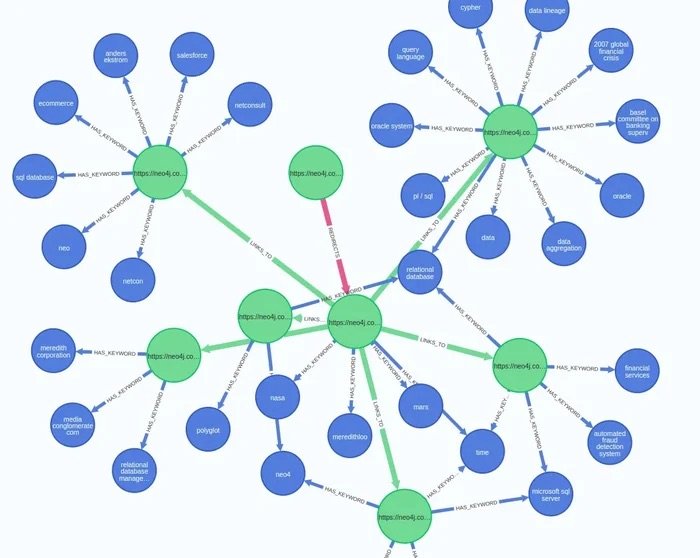
The foundation for effective knowledge sharing begins with unification and structure. Traditional tools only link files, often leaving data isolated and hard to contextualize. Weeki stands out by centralizing scattered assets—from M365, Google Drive, SharePoint, Confluence, and even data scraped from external sources—into a secure, single knowledge portal structured by ontologies and knowledge graphs. This approach transforms siloed information into an organized web where relationships and hierarchies are clear, enabling powerful semantic search capabilities.
For example, organizations using Weeki’s knowledge portal & ontology solution commonly cut time spent searching by 50%, a figure supported by user benchmarks. With everything modelled and mapped in a visual knowledge graph, teams can explore connections between documents, datasets, and decisions. Traceability and integrated governance features ensure reliable access, supporting both productivity and compliance—vital for industries facing regulatory scrutiny like healthcare or finance.
AI-Powered Retrieval and Contextualization
Structure alone won’t solve every challenge; that’s where artificial intelligence transforms information retrieval. Modern knowledge management and business intelligence increasingly depend on AI-powered assistants capable of handling real, domain-specific questions—not just fetching documents, but curating the right insights with context.
Weeki’s AI assistants connect deeply with your business systems—CRM, ITSM, databases, and more—providing instant answers, document retrieval, workflow automation, and even regulatory guidance. Each response comes with verifiable citations and audit trails, a crucial feature for auditability and decision support systems. Imagine resolving 70% of customer support queries automatically or giving managers the power to summon historic KPIs in seconds. Weeki users report a measurable ROI within two months, with notable improvements in metrics like reduced average handle time (AHT) and higher customer satisfaction scores (CSAT).
These intelligent agents don’t simply return a list—they contextualize results, pulling from both structured and unstructured data to provide recommendations, automated deliverables, or predictive analytics. This is how knowledge sharing becomes an active force for competitive intelligence and strategic planning.
Transforming Search into a Strategic Asset
Legacy search tools deliver links; next-generation knowledge sharing technologies, like Weeki, drive business value. By combining unified knowledge repositories, AI-powered retrieval, and performance analytics (such as the “answered@k” usage indicator), organizations don’t just find information—they measure and continuously improve how data supports decisions.
Integration with robust data governance ensures security, access control, version management, and compliance evidence—no more scrambling for documentation come audit time. Enterprise content management is tightly coupled with business analytics: usage tracking reveals knowledge gaps, enabling data-driven process improvements and higher performance management across the organization.
The results speak for themselves. Teams collaborate in a single, governed workspace. Leaders access real-time business intelligence from across all data sources. The cycle from question to decision shrinks dramatically—whether you’re automating regulatory deliverables, surfacing insights for board reporting, or supporting strategic initiatives with up-to-the-minute analytics.
In short, it’s time to move beyond basic search and make information retrieval a catalyst for organizational learning, smarter knowledge transfer, and better decision support systems. Weeki’s unique blend of SaaS technology and tailored automation services ensures solutions adapt to your context—combining secure knowledge hubs, AI guidance, and actionable analytics, all seamlessly integrated at enterprise scale.
Ready to transform chaos into clarity and make knowledge management and business intelligence your engine for growth? Explore how Weeki empowers your teams with unified knowledge sharing systems, smart retrieval, and measurable business outcomes—bringing information to the heart of your strategy.
Linking Performance Management to Knowledge Management
Influence on Overall Business Effectiveness
Imagine this: your departments all hit their KPIs, but your company growth is flat. Reports, CRM exports, scattered PDFs, and endless dashboards deliver an avalanche of data, but leaders can’t reliably act on it. This challenge is exactly where aligning knowledge management and business intelligence becomes crucial for real business results.
In today’s enterprise, performance management is driven by hard metrics—revenue growth, efficiency ratios, customer satisfaction scores. Yet, studies show that over 70% of executives believe these numbers alone don’t reflect underlying organizational capability or agility[1]. The missing ingredient? Institutional knowledge—how a company captures, shares, and leverages the information and expertise locked in processes, documents, and people. Bridging knowledge management with performance management transforms static measurement into dynamic performance improvement.
Performance can only be managed as well as information is unified, structured, and accessible. When knowledge is fragmented, business units often make siloed decisions using incomplete or outdated data. That leads to missed targets, inconsistent quality, and wasted resources—problems cited by nearly 60% of large enterprises according to Gartner[2]. A unified approach, such as that offered by Weeki, rewrites this story. By centralizing all documentation—think enterprise search, interactive knowledge portals with ontologies, and semantic data integration—Weeki empowers organizations to cut search times by up to 50% and boost accuracy up to 40%. This isn’t just about storing information; it’s about ensuring every performance metric is contextualized, audit-friendly, and aligned across all teams.
But reliable data is just step one. With powerful business analytics—and more importantly, analytics rooted in well-curated enterprise knowledge—organizations amplify their decision support systems. Using AI-driven insights and automation capabilities like those in Weeki’s deliverable generation or SOPs & Playbooks, companies convert routine reports into actionable, prioritized recommendations. For example, automated document production has been shown to cut report creation time by up to 80%. These gains mean leaders can respond to trends faster, identify risks sooner, and replicate high-performing strategies enterprise-wide.
The synergy of performance management and knowledge sharing creates a continuous feedback loop powering organizational learning: each project, campaign, or quarterly review adds value back into the knowledge base. With Weeki, automated literature reviews, compliance reporting modules, and real-time knowledge mapping not only keep strategic assets up to date but also feed future analytics and planning. This is how top-performing companies achieve persistent improvement—not simply monitoring if they’re “doing things right” but repeatedly reassessing “are we doing the right things?”
Ultimately, aligning knowledge management and business intelligence with performance management delivers a competitive edge: faster decision cycles, more reliable benchmarking, and scalable growth. If you’re looking to overcome stagnant performance and create a culture where insights translate into repeatable business wins, Weeki’s unique combination of SaaS software and expert services can help. Our tailored solutions—whether you need knowledge portals, analytics automation, or a hybrid approach—bring together all the tools to contextualize metrics and foster a living culture of excellence.
[1] Deloitte, “Global Human Capital Trends Report,” 2023.
[2] Gartner, “Overcoming the Data and Knowledge Silo Problem,” 2022.
The Impact of Knowledge Management on Strategic Planning
Envisioning Future Business Directions
In today’s volatile business landscape, top executives constantly ask themselves: “Are our strategic plans truly built for the future, or just reacting to the past?” Success increasingly hinges on the ability to transform knowledge into a dynamic engine for change. Here, the integration of knowledge management and business intelligence plays a pivotal role in future-proofing organizational strategy—a conclusion backed by Deloitte, which found that companies with mature knowledge management systems are 2.2 times more likely to outperform their peers in revenue growth1.
Knowledge management isn’t just digital filing—it forms the neural network of modern organizations. By actively structuring corporate intelligence, businesses can contextualize everything from shifting market trends and regulatory changes to the competitive moves that shape tomorrow’s playing field. For example, research published in the Journal of Knowledge Management shows that firms investing in integrated knowledge sharing systems report up to 35% faster decision cycles2. Centralizing and curating both internal and external sources—financial data, customer insights, AI-driven analytics—not only accelerates response times but also reduces costly blind spots, empowering leaders to make decisions anchored in reliable information.
When knowledge management is tightly linked with business intelligence and supported by robust information management, the strategic planning process shifts from static prediction to real-time evolution. Teams can instantly surface lessons from past initiatives, connect with experts, and model impact scenarios leveraging data analytics and decision support systems. This establishes a loop between historical performance, current analytics, and future ambitions, allowing organizations to swiftly pivot in the face of market shifts or emerging risks. As Gartner reports, businesses that formalize knowledge transfer and analytics into planning can cut operational lead times by 40% while increasing the accuracy of forecasts3.
Weeki illustrates this transformation in action. Imagine replacing the chaos of disparate Excel files, siloed market research, and lost meeting notes with a unified, interactive knowledge base. Weeki aligns its software solutions and personalized support around two dimensions—representation (organization plus enhancement) and operations (AI agents plus automations). For instance, the Knowledge Portal & Ontologies centralizes scattered documents and data, building a visual map that becomes the foundation for every strategic discussion. Leaders gain an environment where they can simulate scenarios, evaluate options, and collaborate securely in real time. Deliverables Automation then streamlines reporting, turning complex analytics into board-ready presentations in a fraction of the time.
But true strategic advantage comes from actionable insight, not just data volume. Weeki’s Enterprise Search solution provides semantic, permission-aware search across all internal knowledge, making it easy for executives to connect the dots between departments, markets, and regulatory domains. With AI Assistants, teams access real-time guidance and clear recommendations on evolving business questions, all while maintaining traceability and compliance. These combined capabilities transform strategic planning from guesswork into a knowledge-driven, collaborative process, reinforced by effective information retrieval and data visualization.
The ability to adapt and innovate quickly is now essential. Integrating knowledge management and business intelligence systems means organizations can embed continuous learning, knowledge sharing, and advanced analytics into every strategy session. Weeki supports this by combining its SaaS platform with tailored development and integration services, ensuring that evolving ambitions or unique operational challenges are met with practical solutions. Whether it’s centralizing knowledge, ensuring robust data governance, or automating complex workflows, Weeki ensures that strategic planning becomes an agile, measurable, and future-ready process.
Ultimately, strategic planning is no longer a once-a-year ritual—it’s a living system powered by knowledge management and business intelligence. As a result, C-level leaders move from static reports to a dynamic choreography of informed decisions, gaining the foresight and adaptability needed to realize their vision in a rapidly changing world.
1 Deloitte, “Knowledge Management Boosts Performance in the Digital Age,” 2023.
2 Journal of Knowledge Management, Vol. 24, No. 8, 2020.
3 Gartner, “How Data-Driven Planning Drives Business Agility,” 2022.
The Value of Data Visualization Techniques
Clarifying Complex Data for Improved Insights
In today’s digital world, even experienced leaders are overwhelmed by a constant flow of raw information—endless spreadsheets, fragmented reports, and multiple dashboards. The challenge lies in turning this data chaos into actionable insights that actually drive business results. Advanced data visualization techniques have become an essential link between knowledge management and business intelligence, enabling organizations to easily uncover opportunities, manage risk, and make informed decisions faster.
Making Complexity Understandable
Data visualization transforms overwhelming datasets into clear, interactive visuals. Studies show that people process images up to 60,000 times faster than text, which explains why interactive dashboards and dynamic charts outperform traditional static reports in supporting decision-making (Paivio, 1991). For instance, consider the demands of enterprise content management: without strong visualization, key business metrics often get buried in dense tables or siloed databases, slowing down knowledge sharing and decision cycles.
Weeki addresses this gap by centralizing unstructured sources—from PDFs and spreadsheets to internal databases—then automatically modeling them into an interactive, unified knowledge base. Advanced visualization tools, built directly into this platform, let users map relationships, isolate trends, and reveal correlations in business analytics data that would otherwise remain hidden. A global consulting firm, for example, used Weeki’s visual knowledge portal to reduce search time by 50% and improve information accuracy by up to 40%, accelerating the entire workflow from knowledge retrieval to business intelligence analysis.
Enabling Reliable, Data-Driven Decision-Making
The real power of data visualization lies in making data analytics and decision support systems truly accessible. When strategic KPIs, operational bottlenecks, or compliance issues are presented visually, cognitive barriers fall away—helping leaders spot what matters most without wading through noise. According to Gartner, enterprises embracing interactive data visualization improve reporting accuracy by 35% and increase decision velocity.
Imagine using Weeki’s knowledge map to simulate a change in your supply chain and instantly visualize the impact across cost, compliance, and risk—a level of real-time insight that traditional approaches simply cannot match. Thanks to seamless connections between knowledge management and business intelligence, your organization can shift from reactive analysis to proactive performance management, letting data governance and compliance tracking become natural extensions of daily operations.
From Numbers to Narrative: Fostering Organizational Learning
Going beyond technology, the true value of data visualization is in creating a foundation for organizational learning and cross-team knowledge transfer. Effective visualizations help break down silos, democratizing access to high-value insights across departments—whether it’s HR optimizing onboarding with playbooks, finance managing risk, or operations forecasting demand through accurate business analytics.
Weeki’s combined offer of SaaS solutions and tailored integration services creates this context-rich environment. For example, its automated literature review engine can synthesize thousands of documents into auditable, evidence-based dashboards, reducing research lead times by a factor of ten. Equally, its enterprise search and knowledge portal solutions ensure that every stakeholder—from the CEO to project teams—can retrieve precise, reliable answers in seconds, fueling both daily productivity and strategic planning.
Ultimately, data visualization is more than a reporting tool: it’s a catalyst for smarter decisions, increased collaboration, and continuous competitive intelligence. By integrating robust visualization into every layer of your knowledge management and business intelligence ecosystem, Weeki enables you to transform complex data into actionable business outcomes—unlocking the full potential of your information assets and driving measurable growth.
Ready to see how Weeki’s knowledge management solutions, from semantic enterprise search to governed AI assistants and predictive analytics, can transform your data into valuable strategic assets? Discover the tools that are powering the next generation of organizational learning and insight-driven decision-making.
Leveraging Competitive Intelligence through Knowledge Management
Facilitating Knowledge Transfer for Favorable Business Outcomes
How do industry leaders consistently outpace their rivals in today’s high-speed business landscape? The answer lies in their mastery of knowledge management and business intelligence—a powerful duo that enables rapid, confident decision-making. Organizations that strategically capture, structure, and mobilize their expertise don’t just react to change; they anticipate it. According to Deloitte, companies with sophisticated knowledge sharing systems are 30% more likely to outperform competitors in innovation and speed to market.1
Yet, many enterprises remain stuck in “file chaos”—endless folders, outdated PDF reports, and fragmented information locked in individual inboxes or lost when experts move on. Without integrated knowledge management and data analytics, crucial insights routinely slip through the cracks, costing companies both time and competitive edge. What top performers do differently is eliminate these silos, create a unified knowledge base, and embed robust information management into their daily operations. With this foundation, decision support systems supply actionable insights when they matter most.
By leveraging a unified portal, like Weeki’s Knowledge Portal & Ontologies solution, teams can centralize all business intelligence assets—from internal documents to external data sources—into a single, navigable interface. For example, after deploying this solution, global clients have documented a 50% reduction in time spent searching for information and a 20–40% boost in retrieval precision. Imagine being able to surface competitor profiles, updated market trends, and even tacit knowledge from subject-matter experts—all governed, cross-referenced, and instantly accessible.
Strategically, knowledge transfer goes far beyond onboarding manuals. It’s about empowering every business unit with current market intelligence, best practices, and operational guidance. Modern knowledge management isn’t just digital storage—it’s actionable enablement. Weeki transforms standard operating procedures (SOPs) and tacit know-how into always-available playbooks and AI-powered assistants. One leading manufacturer, for example, reduced procedural errors by 40% after centralizing its SOPs in a governed library, accelerating phased rollouts and cutting onboarding time by weeks.
These gains are amplified further when business intelligence is embedded into workflows. With Weeki’s Deliverables Automation, reports, market analyses, and executive briefings are autogenerated by AI agents and validated by humans, drawing directly from a governed knowledge base. Leadership gets traceable, up-to-date intelligence for strategic planning—minimizing manual effort and ensuring compliance. This shifts companies from reactive information gathering to proactive, data-driven decision-making, driving measurable ROI across all business units.
In today’s environment, institutionalizing competitive intelligence and knowledge sharing is not optional—it’s a critical success factor. The combination of advanced knowledge management, business analytics, and data governance ensures organizations can quickly adapt, innovate, and outperform. Weeki’s SaaS and tailored services deliver both the enabling technology and the expert guidance to transform your enterprise data ecosystem—a leap that can define tomorrow’s market leaders.
1. Deloitte Human Capital Trends (2022), “Knowledge Management Reimagined: Breaking Down Silos for the Agile Enterprise.”