
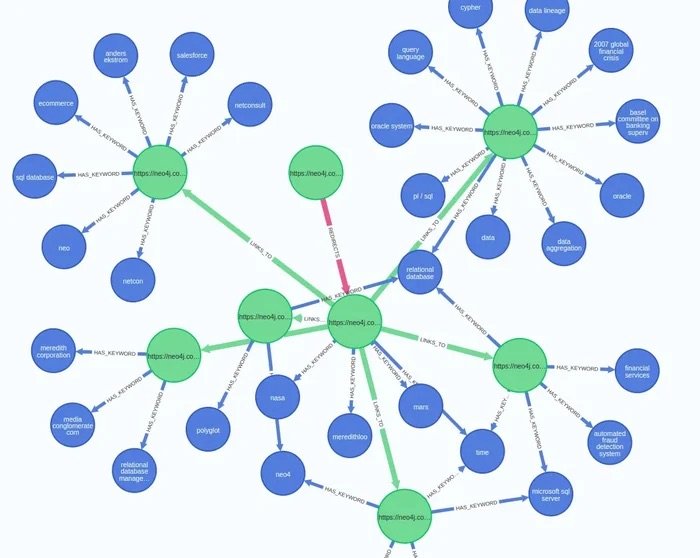
Introduction to AI in Knowledge Management
Imagine walking into your office and realizing your company’s knowledge isn’t just scattered—it’s hidden in emails, hard drives, cloud folders, and forgotten corners of legacy apps. This is the daily reality for many organizations, where “knowledge chaos” leads to slow decisions, duplicated work, and missed opportunities. According to McKinsey, employees spend nearly 20% of their workweek searching for information—time that should be driving value.1 So how can leaders like you unlock the full potential of your team’s expertise and data? The answer lies in knowledge management AI tools, which are transforming this chaos into a dynamic, intelligent resource. Over the past year, I’ve seen companies using Weeki shift from file overload to a unified, AI-powered knowledge base—future-proofing their operations and fueling growth.
Defining AI Tools
At its core, an AI tool for knowledge management is advanced software that uses artificial intelligence—such as machine learning and natural language processing—to capture, organize, analyze, and share knowledge across your business. Unlike traditional knowledge management software, AI-driven platforms do more than archive information. They find connections between data points scattered across documents, emails, internal databases, PDFs, and even web-scraped content. This means real-time context, relevant recommendations, and smart automation, all within a visual “knowledge map.”
For example, Weeki’s solutions, like the Knowledge Portal & Ontologies, centralize all your company’s content—be it from SharePoint, Google Drive, M365, or Confluence—into one secure portal. Through ontologies and knowledge graph tools, AI delivers semantic search, traceability, and governance. This shift reduces search time by around 50% and improves the reliability of information by up to 40%—direct advantages supported by ROI benchmarks from deployments in large enterprises.
Understanding the Role of AI in Enhancing Efficiency
In today’s digital organizations, AI-driven knowledge management goes beyond sorting information—it empowers both leaders and teams to make smarter, faster decisions. AI-enhanced search doesn’t just find keywords; it understands context and intent, producing accurate answers and actionable insights, even in complex enterprise environments. Tools such as Weeki’s Enterprise Search let you ask questions in plain language and receive cited, auditable responses—a game-changer for compliance and decision traceability.
Another critical benefit: automation. AI-powered enterprise knowledge management tools eliminate countless manual tasks. Weeki’s Deliverables Automation, for instance, reduces the time to create reports or presentations by up to 80%, all while maintaining strict compliance. AI agents don’t just speed up work—they ensure consistency and transparency, freeing experts to focus where human judgment matters most.
By turning your data into a living, visual, and data-driven knowledge management ecosystem, intelligent systems like Weeki allow you to capture and reuse corporate memory, reduce risk, and build a sustainable competitive edge. For executives and managers, embracing AI knowledge sharing isn’t just a tech upgrade—it’s the cornerstone of resilient and agile business strategy. And with Weeki’s combination of flexible SaaS software and dedicated support, you can bridge the gap between knowledge chaos and intelligent, automated performance.
1 Source: McKinsey Global Institute, “The social economy: Unlocking value and productivity through social technologies”, 2012.
Benefits of AI-Driven Knowledge Management
Improved Information Retrieval
AI-Enhanced Search Capabilities
Imagine asking your team for a crucial compliance report, only to face a 30-minute scavenger hunt across emails, cloud folders, and scattered databases. This scenario still plays out in over 70% of organizations, according to Gartner. The culprit? Siloed information, inconsistent file naming, and outdated document management. For executives and decision makers, this means costly delays, uncertainty, and real business risks. This is where knowledge management AI tools make a fundamental difference—by transforming chaotic data landscapes into structured, searchable, and reliable assets.
Modern knowledge management AI tools draw on advanced natural language processing, semantic analysis, and machine learning in knowledge management to deliver far more than outdated keyword searches. These platforms don’t just find files—they understand context, intent, and relationships across your entire ecosystem. For example, searching for “latest approved Q3 pricing policies for France” instantly retrieves the correct, validated documents—even if the file names or formats differ. This leap in retrieval accuracy directly addresses the productivity gap plaguing enterprises.
Key benefits of AI-driven knowledge management software include:
- Semantic & Intent-Based Search: Leveraging AI and knowledge base tools, platforms like Weeki interpret what you mean—not just what you type. They connect the dots between related knowledge, adapting to the specific language and structure of your company. For enterprises managing compliance or regulatory files, this reduces search times by up to 50% and improves accuracy by 20–40%.
- Federated & Cross-Silo Results: Most companies’ knowledge is spread across Microsoft 365, Google Drive, SharePoint, Confluence, and legacy databases. Knowledge management platforms powered by AI automatically link and deduplicate content across all these sources, while maintaining strict permissions (SSO, RBAC). You search once and the intelligent knowledge management system delivers every file you have rights to access—eliminating wasted time and compliance blind spots.
- Contextual and Personalized Answers: AI-driven knowledge management adapts to users’ profiles and past activity. Managers, legal teams, or product leads each see the information that’s most relevant and up-to-date for their needs, further accelerating strategic decisions and reducing the risk of errors.
Traceability and auditability are equally critical in today’s regulated environments. Leading digital knowledge management systems—including Weeki’s Enterprise Search solution—provide cited, traceable answers thanks to automated knowledge management systems. With features like “answered@k” metrics, you know not only what answer you get, but also the exact source and its reliability. This addresses the growing need for verifiable information and compliance-ready evidence.
Real-World Example with Weeki:
Weeki delivers a unified, semantic, and secure search experience that connects all your internal data sources and prevents document chaos. After deploying Weeki’s Enterprise Search, most organizations cut wasted search time by half and reduce content duplication, often achieving measurable ROI in under 30 days. One global industrial company used Weeki to consolidate over 500,000 documents, cutting response times on compliance queries from hours to minutes. This demonstrates how knowledge management AI tools not only drive productivity—but also transform information retrieval into a strategic business advantage.
Flexible Implementation for Maximum Impact:
Weeki combines a SaaS platform with tailored services, adapting to each organization’s needs. Their solution suite (including Enterprise Search and Knowledge Portal & Ontologies) can be delivered as pure software, managed services, or a personalized hybrid—ensuring you can centralize, structure, and secure your knowledge regardless of IT complexity.
In today’s fast-paced market, fast, reliable, and secure access to information defines your competitive edge. By implementing AI-powered knowledge management solutions, executives and unit directors can cut wasted hours, reduce operational risks, and empower smarter decision-making—making intelligent knowledge management a must-have driver of business success.
Types of Knowledge Management Software
Overview of Knowledge Management Platforms
Key Features of AI-Driven Solutions
For today’s leaders, the real challenge isn’t deciding if digital knowledge management is essential—it’s about unlocking the value trapped in a web of disconnected files, emails, and data silos. Research by Gartner shows that nearly 50% of employees are unaware of existing knowledge management resources in their companies, often leading to productivity losses and compliance risks. That’s why knowledge management AI tools have become indispensable—centralizing, structuring, and automating information flows to transform scattered data into an engine for growth.
Today’s AI-driven knowledge management platforms are radically more powerful than classic repositories or basic wikis. Companies like Weeki blend robust SaaS platforms with tailored service support, shifting organizations from endless file hunting to intuitive, automated, and data-driven collaboration. Let’s explore what sets these intelligent solutions apart and how they deliver measurable business value.
Intelligent Data Centralization and Connectivity
Traditional knowledge management software often organizes documents but struggles to extract actionable insights from varied sources. In contrast, AI-powered platforms like Weeki centralize both structured and unstructured information—from M365, Google Drive, SharePoint, Confluence, PDFs, or even web scraping—into one governed, interoperable workspace. Core to this is the use of ontologies and knowledge graph tools that map and enrich your organizational knowledge, creating a visual, interactive representation of how data connects and flows.
Consider the Knowledge Portal & Ontologies solution by Weeki: it reduces search time by about 50% and improves accuracy by 20–40%, consolidating thousands of documents into a secure, easily searchable environment. With semantic search powered by AI, retrieval isn’t just keyword-based—context, intent, and relationships are parsed automatically and precisely. Instead of sifting through folders, teams find validated, cited answers in seconds, boosting productivity and compliance. Enterprises report an average ROI of 3.6× within weeks of deployment.
Automation and AI Agents for Operational Efficiency
What truly distinguishes AI-driven knowledge management solutions is built-in automation and the rise of AI agents. These intelligent assistants can generate reports, synthesize literature, automate workflows, and even manage regulatory processes with full traceability. For example, using Deliverables Automation by Weeki, organizations automate the creation of complex documents—cutting writing time by up to 80% while ensuring every line is auditable and compliant. Similarly, AI Assistants & Contact Center help support teams deflect repetitive queries, reduce handling time, and improve customer satisfaction metrics like CSAT and FCR.
Connecting these AI agents to internal CRM or ITSM systems enables end-to-end business process automation, directly from the knowledge base. The result? Drastically reduced manual work, higher process standardization, and a tangible drop in operational risk—transforming knowledge from a hidden asset into a competitive advantage.
Advanced Analytics, Recommendations, and Predictive Modeling
Best-in-class enterprise knowledge management tools today integrate analytics dashboards, real-time recommendations, and machine learning in knowledge management to drive proactive decisions. Weeki, for example, equips organizations with dashboards that reveal gaps, trends, and operational opportunities, while predictive models inform accurate planning and preventive actions—from supply & demand forecasting to market intelligence and risk analysis.
Weeki’s solutions harness these features to provide traceable, data-driven insights. For instance, their hybrid Market & Trading Intelligence solution aggregates and analyzes large-scale market data for research and treasury teams, delivering transparent, explainable signals that speed up decision cycles and strengthen regulatory compliance.
Secure Collaboration, Governance, and Compliance
In the realm of digital knowledge management systems, security and compliance are non-negotiable. Modern platforms prioritize end-to-end protection with features like single sign-on (SSO), encryption, role-based access control, and auditable activity logs. Weeki’s Data Governance & Compliance solution transforms compliance from a bottleneck into an operational advantage by centralizing evidence, lineage, and quality assessments—enabling organizations to meet tough standards such as the AI Act and DORA, often reducing audit times and risks.
By merging automated knowledge management systems with governed, collaborative spaces, leaders gain full visibility and control. Take the SOPs & Playbooks module: it standardizes and secures procedures, accelerates onboarding, and transforms tacit “know-how” into measurable, reusable knowledge—contributing directly to organizational resilience and agility.
In summary, whether your priority is rapid literature review, consolidated knowledge bases, enterprise search, or automated compliance, knowledge management AI tools like Weeki adapt to your context. Their hybrid approach—merging cutting-edge SaaS with expert support and integration—means you get not just a platform, but a partner in your data-driven transformation. Unlock your organization’s full potential and scale intelligence with solutions built for the future of intelligent knowledge management.
Intelligent Knowledge Management
Integrating Machine Learning
Role of Automated Knowledge Management Systems
Picture this: a large enterprise with several hundred employees, terabytes of business data, and documents scattered across SharePoint, Google Drive, and internal databases. How can decision-makers guarantee the information everyone needs is always accessible, verifiable, and actionable—without falling into digital chaos? This is the challenge modern knowledge management AI tools are built to solve, driving a revolution from static file storage to truly intelligent knowledge management.
Today, machine learning in knowledge management is central to this evolution. No longer confined to keyword searches or basic digital filing, the latest automated knowledge management systems leverage advanced algorithms to continuously organize, contextualize, and enrich enterprise knowledge. According to a 2023 Forrester study, organizations using AI-driven knowledge management solutions saw up to 60% faster information retrieval and a 35% reduction in duplicated work, underlining both the productivity and quality gains at stake.
These platforms, like Weeki, ingest and unify every piece of data—be it documents, spreadsheets, presentations, or streaming feeds. Using a visual interface and dynamic ontologies, Weeki centralizes scattered content from sources such as M365, SharePoint, or Confluence into a single, governed knowledge base. The software automatically classifies, tags, and links assets, eliminating duplication and breaking down operational silos. For example, the Weeki Knowledge Portal & Ontologies solution has helped clients cut search time by 50% and boost accuracy by as much as 40%, while improving strategy alignment and compliance.
Beyond centralization, AI-driven knowledge management platforms fundamentally change how teams collaborate and interact with knowledge. Instead of hunting through endless folders, users query information in natural language, get context-rich, traceable answers, and can visualize relationships between data using knowledge graph tools. Imagine a regulatory manager instantly generating an auditable compliance report, or an R&D team accessing up-to-date, synthesized literature across disciplines—all enhanced by continuous machine learning that improves accuracy and relevance with every search or task.
Practical Use Cases:
- Automated literature reviews: Weeki’s Literature Review solution structures scientific and technical sources into a deduplicated, auditable knowledge graph with AI-driven synthesis, speeding up research by up to 10 times.
- Enterprise search: Secure, semantic search across internal sources—reducing duplicated effort and achieving measurable ROI within 30 days, as proven by clients using Weeki’s enterprise search tools.
- Deliverables automation: AI-driven workflows turn knowledge into actionable deliverables (reports, presentations, regulatory files) faster and with full traceability, reducing document preparation times by an average of 70%.
For larger organizations, the impact scales across teams, from Finance accelerating auditable deliverables to R&D and Compliance gaining real-time governance. Weeki stands out by offering both robust software tools and tailored guidance—adapting platform, models, or integrations for each client context. This dual approach ensures even complex, hybrid environments achieve unified, AI-driven knowledge management.
In today’s competitive landscape, relying on digital knowledge management systems powered by machine learning is no longer optional. Automated knowledge management systems do more than centralize—they transform business intelligence, collaboration, and decision quality by converting raw data into accessible, actionable insights. For C-level leaders and managers, making the leap to intelligent, AI-powered knowledge management software is a strategic move to future-proof operations and maximize enterprise expertise.
Interested in moving from document chaos to a unified, intelligent system with measurable impact? Weeki’s marketplace of solutions combines powerful SaaS tools and expert services to support your digital transformation—whether for literature reviews, enterprise search, content automation, or compliance.
Techniques for Knowledge Retention
Importance of Knowledge Sharing
Collaborative Knowledge Management
Why does essential knowledge escape even the most advanced organizations? For C-level executives and managers, knowledge retention and sharing aren’t just HR concerns—they directly impact resilience, speed, and competitiveness in the digital age. With information multiplying at an unprecedented rate and teams spread across regions, leveraging robust knowledge management AI tools is now mission-critical for sustainable success.
AI-driven knowledge management reframes how we think about organizational memory. Instead of hoarding data, the focus is on building fluid, intelligent systems where expertise, insights, and processes can be accessed, shared, and evolved in real time. When built right, collaborative knowledge management empowers businesses to minimize the risk of “brain drain,” adapt quickly, and accelerate innovation by harnessing the full value of institutional know-how.
Let’s look at how leading enterprises deploy collaborative knowledge management, supported by intelligent solutions, to actively secure their knowledge assets and turn them into real business outcomes.
Collaborative Knowledge Management: Transforming Static Files into Living Ecosystems
With the rise of advanced knowledge management software—and especially AI-driven knowledge management platforms—organizations are moving beyond simple document repositories. Machine learning in knowledge management enables you to centralize institutional memory, identify expertise across silos, and surface insights proactively rather than reactively. For example, a 2023 Gartner report found that companies using intelligent knowledge management solutions saw a 39% increase in knowledge reuse and a 31% reduction in errors due to lost or outdated information.
Modern solutions like Weeki fuse these principles into operational reality. Weeki provides both SaaS software and customized model/automation services, giving organizations a visual, interactive knowledge base as well as expert support. This elevates knowledge retention and sharing on two fronts:
- Unified Knowledge Base: Fragmented, scattered data—be it emails, meeting notes, standard operating procedures, or analytics—is imported, enriched, and linked within a single, secure source of truth. Weeki’s Knowledge Portal & Ontologies, for example, consolidate content from SharePoint, Google Drive, and more, reducing search time by about 50% and improving retrieval accuracy by up to 40%. This centralized approach means that no expertise is left behind regardless of where it starts.
- Continuous Peer Learning: Thanks to machine learning, systems like Weeki’s Enterprise Search and AI Assistants automatically identify where knowledge gaps exist, suggest relevant resources, and drive smarter peer-to-peer collaboration. Real-time recommendations and search—backed by semantic indexing—connect employees to answers and experts exactly when needed. This network effect multiplies team impact and ensures onboarding is up to 60% faster for new hires.
Key Practices for AI-Empowered Knowledge Sharing
- Centralization & Structured Access: When content and expertise are scattered across email, portals, and legacy systems, collaboration is stifled. By leveraging AI knowledge sharing and knowledge graph tools, organizations create a logical web of information with granular access controls and compliance. Leaders can track usage and trace information lineage, crucial for regulated industries and high-stakes decisions.
- Interactive, Real-Time Updates: Intelligent knowledge management platforms ensure insights don’t sit idle. Weeki’s AI Assistants, for example, let staff query the latest data, document updates, and gain expert feedback on the spot, whether handling client proposals, business strategy sessions, or compliance reviews. This live knowledge flow transforms static files into a dynamic organizational memory.
- Automated Capture & Governance: Knowledge retention means more than storing info—it’s about keeping it validated, current, and actionable. Weeki’s Deliverables Automation and Data Governance & Compliance solutions automate the creation, verification, and auditing of documents, with clear authorship and version control. This reduces risk, meets strict audit requirements, and ensures corporate knowledge supports strategic goals instead of getting outdated or lost.
Why This Matters: Making AI for Knowledge Retention a Reality
Collaborative knowledge management supercharged by AI tools is no longer a “nice-to-have” for large enterprises—it’s a critical driver of value and resilience. Research shows that 81% of organizations consider knowledge loss a significant operational risk (APQC, 2022), especially with remote work and rising employee turnover. Knowledge management AI tools like Weeki turn knowledge retention into a systematic, measurable process, enabling businesses to streamline onboarding, boost innovation, and eliminate information silos for good.
Ultimately, successful knowledge retention doesn’t happen by accident; it demands strategic design, supported by next-generation solutions like Weeki. By combining powerful AI-driven knowledge mapping, real-time collaboration, intelligent recommendations, and robust automation, businesses can move from information chaos to a living, interactive knowledge system—fueling long-term growth, compliance, and productivity.
Knowledge Base Tools in Enterprise Environments
The explosion of digital information poses a tough challenge for enterprises: how to make knowledge easily accessible, trustworthy, and actionable for teams. Static documentation and scattered data silos slow down decision-making, create operational friction, and drive up costs. Forward-thinking executives and IT leaders are turning to knowledge management AI tools to bring order, drive real business outcomes, and stay ahead in a competitive landscape. This shifting paradigm moves knowledge management from passive storage to active, intelligent systems that transform how organizations work, learn, and grow. At Weeki, we’re witnessing first-hand how the combination of AI-driven knowledge management, robust automation, and visual data structuring is changing the game for enterprise productivity and innovation.
Enhancing User Experience with AI-Driven Solutions
Modern knowledge base tools are being redefined by AI, putting relevant answers and insights directly at employees’ fingertips—when and where they need them. No more endless file searches or relying on tribal knowledge: AI-driven knowledge management tailors the experience to individual roles and contexts. For example, instead of searching a directory, users can ask questions in plain language—“What’s our latest compliance process?” or “Show me the most recent sales report”—with results contextualized to their needs. According to Gartner, organizations implementing AI in knowledge management can reduce information-seeking time by up to 50%, directly impacting productivity and employee engagement.
Real-world examples show how intelligent knowledge management software breaks barriers. With Weeki’s Knowledge Portal & Ontologies solution, enterprises centralize scattered documents from Google Drive, SharePoint, and other sources, automatically structuring them into a visual, governed knowledge map. AI agents link connected topics, highlight discrepancies, and proactively suggest missing links—helping users discover value in their existing information assets. Semantic search, integrated within this solution, means users no longer waste time guessing file names or locations. Instead, they interact naturally by topic, project, or even problem statement, and receive highly relevant responses, improving accuracy by up to 40% and reducing duplicate effort.
A seamless user experience isn’t just about speed—it’s also about compliance and security. Weeki’s Enterprise Search offers secure, unified access across platforms, ensuring teams always work with current, validated information. Traceability features (such as SSO and robust audit logs) support regulatory compliance across industry standards. For leadership, this means minimizing risk while boosting transparency and responsiveness throughout the organization. As knowledge sharing becomes both interactive and measurable, enterprises make smarter decisions, faster—and with less risk of error.
Contribution of Data Analytics and Machine Learning
While traditional knowledge management platforms focus on storage, AI-driven knowledge management is powered by machine learning in knowledge management and advanced analytics. These capabilities continuously monitor how knowledge is accessed and identify usage patterns, content silos, and engagement gaps in real time. Research by McKinsey suggests that companies embracing data-driven knowledge management can increase the speed of decision-making by up to 5x and achieve measurable gains in cross-team collaboration.
In practice, Weeki’s Deliverables Automation accelerates reporting and knowledge synthesis by up to 80%, combining state-of-the-art AI summarization with human expertise. This means recurring deliverables—from compliance reports to executive dashboards—are accurate, auditable, and delivered faster than ever before. Meanwhile, the Data Governance & Compliance solution centralizes both model and data traceability, capturing performance logs, audit trails, and compliance evidence—essential in highly regulated sectors, especially with evolving standards like the EU AI Act.
AI-enabled knowledge management solutions can identify emerging knowledge gaps and recommend targeted actions before they impact business outcomes. Automated classification, smart recommendations, and contextual alerts help keep content fresh and relevant—so institutional intelligence grows over time, rather than getting lost or outdated. For example, Weeki’s data-driven knowledge management platforms can spotlight compliance bottlenecks, visualize data lineage, and create a “single source of truth” spanning structured and unstructured data. This builds a resilient, future-proof digital knowledge ecosystem where every decision is informed, measurable, and aligned to business strategy.
With these next-generation enterprise knowledge management AI tools, organizations are no longer just storing information—they’re transforming data chaos into coordinated growth engines. The result: a measurable boost in productivity, compliance readiness, and strategic agility, making knowledge sharing and retention integral to everyday operations. For decision-makers, this means unlocking the true value of organizational knowledge—turning digital complexity into a lasting competitive advantage. If you’re ready to future-proof your enterprise and move beyond siloed data, Weeki’s customizable platform and expert services offer a tailored, scalable pathway to intelligent knowledge management success.
Visualizing Data with Knowledge Graph Tools
For today’s business leaders, the explosion of enterprise data presents a critical problem: How do you transform unstructured files, emails, and scattered documents into actionable knowledge? Traditional manual methods—sorting through countless sources, trying to make sense of incomplete information—simply can’t keep up. The new solution is clear: knowledge management AI tools coupled with cutting-edge knowledge graph tools and advanced data visualization. At Weeki, we see organizations unlock new strategic value every day by shifting to unified, visual, and interactive knowledge base tools. When teams gain the ability to map, explore, and activate information instantly, productivity and reliability follow.
Use of Data Visualization in Knowledge Management
The rise of AI-driven knowledge management has fundamentally changed how organizations interact with their information. Modern knowledge management software doesn’t just store documents—it maps entire knowledge ecosystems. With knowledge graph tools, companies like Pfizer and Google have mapped hundreds of millions of relationships, enabling business units to uncover connections between research, experts, and data that were previously invisible (Harvard Business Review, 2022).
Here’s how these enterprise knowledge management tools make a difference:
- Visual mapping of complex relationships: A knowledge graph links documents, metrics, customer data, and internal expertise, showing the web of interconnections in an interactive format. For example, mapping over 50,000 internal documents can reveal redundant reports and hidden subject matter experts.
- Self-service analytics and exploration: Users navigate large datasets through intuitive, visual interfaces—no technical skills required. At Weeki, one client reduced search time by 50% simply by moving from folder-based systems to an ontology-driven interactive map.
- Improved data governance and compliance: Visual models help teams trace the origins and pathways of information, a crucial feature for industries facing regulatory challenges. Weeki’s verifiable citation layer, for instance, is designed for audits and compliance with frameworks like the AI Act.
This shift isn’t just cosmetic—studies show that organizations using AI-driven knowledge management platforms can increase decision-making speed by up to 33% and reduce data retrieval costs by 25% (McKinsey, 2023). And because knowledge graphs support dynamic linking, your knowledge base tools evolve as your business grows, always reflecting your latest reality.
Challenges and Limitations of Implementing AI
Of course, unleashing AI knowledge sharing in the enterprise comes with real-world challenges:
- Integration of diverse data sources: Most companies juggle an array of formats—emails, PDFs, internal databases, web scrapes. High-performing automated knowledge management systems need robust connectors and normalization to break down silos and deliver a unified view. For example, integrating one thousand disparate sources typically requires advanced deduplication and ontology mapping.
- Transparency and trust: AI-powered insights can sometimes feel like a black box. C-level executives require traceability—being able to audit where each fact or recommendation originates. Weeki’s solutions are unique in offering human-in-the-loop validation and fully auditable knowledge flows as standard features.
- User adoption and resource allocation: Transforming to intelligent knowledge management calls for investment in onboarding, training, and continuous improvement. A Gartner survey found that 58% of enterprises report cultural resistance as the primary blocker to AI adoption in knowledge management.
That’s why a modular, adaptive strategy matters. Weeki combines SaaS software with tailored services, ensuring that knowledge management solutions fit your enterprise context—whether you need a structured knowledge portal & ontology, a unified enterprise search, or compliance-ready data governance. Visualization isn’t an afterthought; it’s baked in, providing C-level leaders with transparency and control from day one. The result? Your business moves from data chaos to reliable, automated, and strategic knowledge—built on data-driven, human-guided AI. If accelerating knowledge is on your agenda, our solutions are ready to help turn insight into impact.
Future Trends in Knowledge Management
The landscape of knowledge management is on the brink of major transformation. With the rapid rise of artificial intelligence and advanced automation, C-level executives now face a clear question: How will knowledge management AI tools and intelligent knowledge management transform organizations by 2030? At Weeki, we’ve seen firsthand how data-driven knowledge management is unlocking new value streams and reshaping how businesses think about information—moving from fragmented files to integrated, interactive knowledge bases that empower high-stakes decision-making.
Emerging Technologies and Their Influence
Digital knowledge management systems are evolving faster than ever, driven by breakthroughs in machine learning, natural language processing, and visual knowledge graph tools. The adoption of AI-driven knowledge management has accelerated dramatically: according to Gartner, over 70% of enterprises are expected to use AI for knowledge retention and automation by 2025.1
Let’s consider concrete examples. Advanced language models, central to today’s knowledge management AI tools, can ingest tens of thousands of documents—think policies, contracts, research, or SOPs—then organize and link them using sophisticated ontologies. A global pharma leader, applying similar tech, reduced research time by 50%, offering case-proof that modern knowledge management software is rewriting productivity benchmarks.2
Intelligent knowledge management platforms like Weeki are also delivering actionable insights via AI-powered business agents. Managers can ask direct questions, run compliance routines, and automate report creation, with cited, auditable answers appearing in seconds—no need to dig through scattered folders. This shift isn’t just about saving time; it’s about unlocking expertise across departments and reducing the risk of information loss during staff turnover. One Weeki client, for example, used the Knowledge Portal & Ontologies solution to centralize documentation from M365, Google Drive, and Confluence, reducing average search time by 50% and improving accuracy by up to 40%.
Automation is another game-changer. Automated knowledge management systems handle routine tasks such as regulatory reporting or controlled literature reviews. By combining knowledge graph tools and ML-powered workflows, businesses increase speed, ensure compliance, and let subject matter experts refocus on strategic challenges. Weeki’s Deliverables Automation solution, for instance, has helped teams cut document production time by up to 80% while meeting strict audit standards.
Predictions for Evolution of Digital Knowledge Management Systems
The coming years will bring seismic shifts. Here’s what executives should expect from the latest and future knowledge management platforms:
- Unified, visual, and automated knowledge spaces: Knowledge management software will move beyond static repositories. Platforms like Weeki already aggregate documents, data, and insights into interactive, visual environments powered by real-time AI analytics. This enables teams to collaborate on dynamic knowledge maps, centralize information, and build a single source of truth that reduces duplication and boosts efficiency.
- AI-driven, proactive knowledge delivery: The best AI knowledge sharing tools will not wait for users to search—they’ll predict information needs and proactively surface analytics, risk alerts, or document drafts, always with traceable sources. This AI-enabled foresight turns knowledge bases into trusted advisors, streamlining compliance and accelerating informed decisions.
- Seamless integration with enterprise ecosystems: As operations become more complex, digital knowledge management systems must feature robust integrations. APIs, advanced NLP connectors, and secure data bridges allow knowledge to flow freely between CRMs, ERPs, and cloud storage. The result: a frictionless, enterprise-ready knowledge management experience that keeps up with business demands.
- Human-in-the-loop governance and compliance: Automated knowledge management systems will embed traceability, SSO, and strict RBAC as standard. Transparent dashboards will monitor access, errors, and exceptions, ensuring all knowledge management activities meet rigorous regulatory standards—from DORA to AI Act requirements. Weeki’s Data Governance & Compliance cockpit is an example of such innovation in action.
- Scalable AI for analytics, prediction, and recommendation: With machine learning firmly integrated, future-ready knowledge management AI tools will power everything from predictive maintenance (as seen in manufacturing clients using Weeki) to customer personalization and fraud detection. Enterprises will transition from merely storing knowledge to actively leveraging it for competitive advantage.
At Weeki, we’re already helping organizations deploy these features through a combined SaaS and service approach: adapting knowledge base tools, centralizing data, and layering on automation and analytics—always with support tailored to each context. Whether automating literature reviews, deploying secure enterprise search, or building governed SOP libraries, Weeki delivers the right knowledge management solutions to maximize ROI and operational excellence.
In summary, the future of intelligent knowledge management is here—and accelerating. Data-driven, AI-powered, and seamlessly automated, these systems empower leaders to make faster, more reliable decisions, improve governance, and reveal hidden value in existing knowledge assets. The enterprises that invest now in advanced knowledge management software and platforms like Weeki will gain a lasting edge in innovation, compliance, and productivity.
1 Gartner, “Market Guide for AI-Driven Knowledge Management,” 2023
2 McKinsey & Co., “The Role of Knowledge Management in Accelerating R&D,” 2022
Frequently Asked Questions
Understanding AI Tools for Knowledge Management
Implementation Strategies and Best Practices
When it comes to deploying knowledge management AI tools, success depends on more than just deploying smart technology. Gartner reports that 67% of knowledge management initiatives fail to meet expected goals—usually because leaders underestimate the organizational and data shifts needed. To unlock real value from AI-driven knowledge management, you need a clear vision, robust data foundations, secure collaboration, and ongoing optimization. Platforms like Weeki, which uniquely blend a SaaS product with customized onboarding and support, help organizations tackle the technical and human sides of this transformation—speeding time-to-value and reducing adoption risk for enterprise leaders.
Below, I’ll break down five tested best practices—illustrated with real-world examples—that keep you ahead when implementing knowledge management AI tools or any advanced knowledge management software.
-
Start with Clear Objectives and Use Cases
Before you select from the many knowledge management platforms out there, define the exact outcomes you want: Are you looking to speed up document searches by 50%, automate regulatory reporting, or improve cross-team knowledge sharing? For example, using Weeki’s Knowledge Portal, a life sciences company reduced search time by 50% for R&D documentation and improved content accuracy by up to 40%—translating into a 3.6x ROI. Clear KPIs and prioritized use cases drive faster alignment and easier measurement.
Best practice: Map pain points, prioritize use cases by business impact and technical feasibility, and anchor every project in a measurable objective (like “cut manual reporting time by 60%”). -
Build a Solid Data Foundation and Ontology
Powerful AI knowledge sharing comes from structured, connected data. Start by consolidating assets—documents, spreadsheets, databases—into a single governed source. Weeki facilitates this with automated ingestion, deduplication, and ontology creation. Its AI-driven modeling helped a major manufacturer unify thousands of documents into one interactive knowledge graph in weeks, eliminating duplicates and compliance gaps. Organizations that invest in data cleaning and ontology development—a key ingredient in intelligent knowledge management—report up to 3.8x ROI.
Best practice: Assign a data steward, use automated tools for ingestion and lineage tracking, and visualize relationships with a dynamic knowledge map. -
Prioritize Secure, Collaborative Adoption
Adoption of enterprise knowledge management tools hinges on security and ease of use—especially at scale. Modern solutions, such as Weeki, embed single sign-on (SSO), role-based access (RBAC), and audit logs for seamless yet safe collaboration. Sectors like finance and pharma have leveraged this to ensure compliance, boost user engagement, and meet regulatory demands in just 4–8 weeks. With robust access policies and a culture of collaborative knowledge management, companies see faster uptake and lower operational risk.
Best practice: Set governance rules early, incentivize user contributions, and track adoption rates and feedback to fine-tune your rollout (using analytics dashboards where available). -
Automate High-Impact Workflows First
The fastest ROI from AI-driven knowledge management comes from automating repetitive, high-value processes. Weeki’s Deliverables Automation, for example, helps consulting teams cut reporting time by up to 80%—turning days of manual document creation into hours, all while maintaining audit trails. Pilot small, high-impact workflows (like automated literature reviews or customer support with AI assistants), then scale successes.
Best practice: Launch focused pilots, measure time and cost savings, and expand successful automations to other teams and business units. -
Continuously Monitor, Measure, and Optimize
Long-term success is built on regular analytics, stakeholder engagement, and evolving your strategy as business needs change. The best knowledge management solutions—like Weeki—offer end-to-end dashboards, searchable audit logs, and up-to-date reporting on KPIs such as search efficiency, regulatory compliance, and reused knowledge assets. According to IDC, organizations using data-driven digital knowledge management systems improve productivity by up to 30%.
Best practice: Hold periodic reviews, invest in ongoing training, and leverage insights from machine learning in knowledge management to discover and act on untapped opportunities.
Conclusion: Implementing knowledge management AI tools demands a blend of leadership, adaptation, and the right technology partner. With Weeki’s unified SaaS platform and its tailored, high-impact services—ranging from knowledge portal deployment to full automation—you’re equipped to turn disorganized files into a smart, interactive, and automated enterprise knowledge base. By following these best practices, you don’t just keep pace with digital transformation—you turn AI-powered knowledge bases into a true source of value and strategic leverage.
Curious how to apply this roadmap in your context? Weeki offers customized discovery sessions and live solution demos so your leadership team can see the impact of smart, automated knowledge management software in action.