
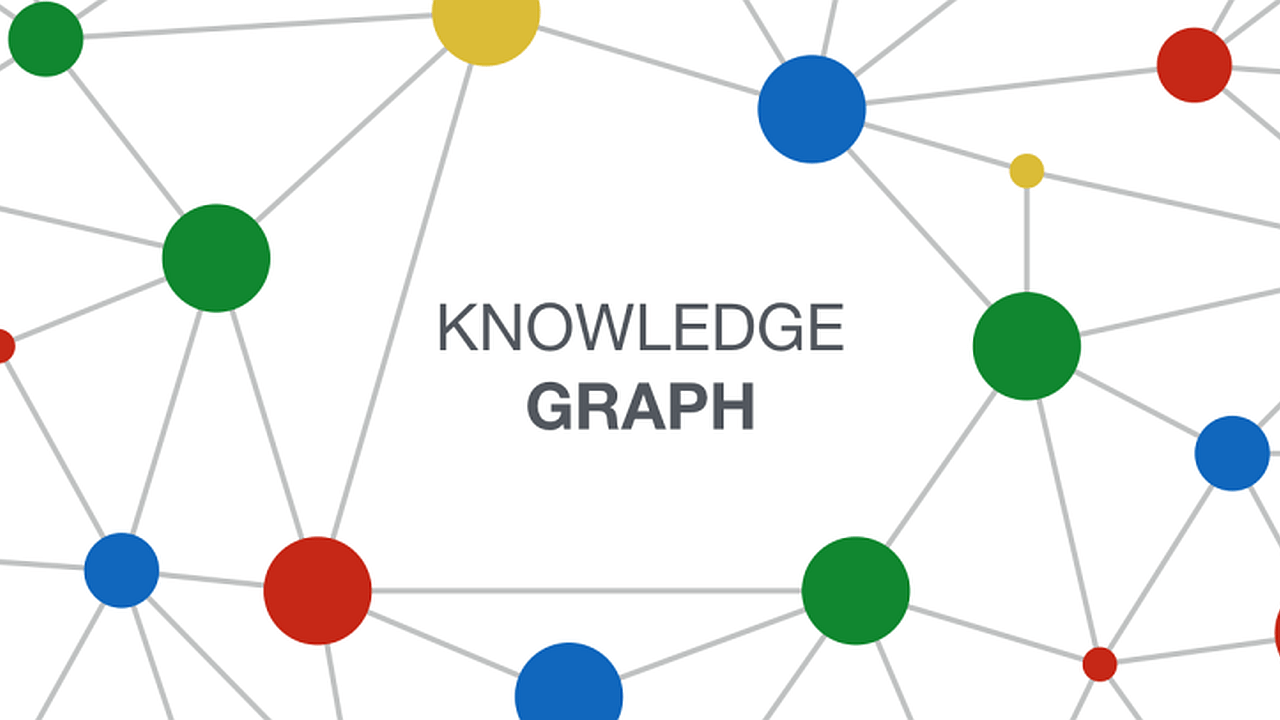
Introduction to Knowledge Management
Picture this: A global company spends thousands of hours a year searching for information buried in emails, outdated folders, and disconnected platforms. Gartner estimates that workers spend nearly 20% of their time looking for internal information or tracking down colleagues for help (Gartner, 2022). This chaos doesn’t just slow down decisions—it blocks innovation and results in missed opportunities. In this data-driven era, knowledge and management have become both a challenge and a competitive lever. Weeki is designed to transform this complexity: our platform empowers organizations to collect, organize, and structure knowledge and data, unlocking the value of information through data science, AI-powered automation, and smarter processes. If you’re still operating amid file chaos or knowledge silos, it’s time for a smarter, more connected approach to knowledge and management.
Definition and Importance
Knowledge management isn’t just jargon—it’s a strategic discipline central to business agility. At its core, knowledge management is the intentional process of capturing, organizing, distributing, and leveraging collective wisdom, expertise, and data to accelerate organizational performance. The main goal? Ensuring that the right information reaches the right stakeholders at precisely the right moment, turning untapped data and individual expertise into clear, actionable knowledge.
Effective knowledge and management strategies fuel better business decisions, reduce costly duplication, and create fertile ground for innovation. They transform know-how from a personal asset into institutional memory, allowing organizations to adapt quickly while minimizing the disruption of staff turnover. A McKinsey study revealed that improving knowledge management systems can boost productivity by 20% to 25% in organizations with connected employees (McKinsey, 2012). Whether you’re steering a multinational or leading a fast-growing business unit, knowledge management isn’t optional; it’s a core pillar for competitiveness and long-term resilience.
Understanding Knowledge Management Systems
Overview of Primary Concepts
Modern knowledge management strategies revolve around harnessing two types of knowledge: explicit and tacit. Explicit knowledge includes anything documented—manuals, reports, policies, structured datasets, and validated best practices. In contrast, tacit knowledge is found in people’s experience, insights, workflow habits, and judgment—harder to quantify, but equally valuable for innovation and problem-solving.
Collaborative knowledge management aims not just to store information, but also to bridge data management with the human element: connecting people, context, and organizational culture for maximum impact. Best practices in knowledge management require a mix of technology, robust governance, and open collaboration to break down information silos and unlock knowledge sharing across every team. When these elements align, organizations elevate both knowledge transfer and creation—essential for continuous learning and strategic agility.
Components of Knowledge Management Systems
A fully optimized knowledge management system is a multifaceted engine, typically built on these pillars:
- Knowledge repositories: Central, structured portals that consolidate documents, data, and validated know-how. For example, Weeki’s Knowledge Portal & Ontologies reduces search times by up to 50% and improves accuracy by an average of 20–40%, transforming fragmented content into a unified, reliable source for the entire company.
- Enterprise search and retrieval: Advanced search capabilities—like semantic retrieval and secure access controls—enable employees to find relevant, up-to-date answers fast. Weeki’s Enterprise Search illustrates this, giving teams precise, cited responses while cutting down duplicate work and wasted research time, with a typical return on investment in under 30 days.
- Collaboration platforms: Spaces where teams co-create, edit, and enhance organizational knowledge. By nurturing real-time dialogue and feedback, these systems unlock knowledge sharing and bottom-up innovation.
- Governance and compliance layers: Mechanisms ensuring all information is authenticated, traceable, and audit-ready for regulatory requirements. Weeki’s Data Governance & Compliance module centralizes oversight for AI models, prompts, and content, making audits faster, reports more reliable, and compliance measurable and sustainable.
- Automation and AI agents: AI-powered tools designed to automate document creation, streamline processes, and extract actionable insights from raw data. Weeki’s solutions for Deliverables Automation and AI assistants reduce manual writing time by up to 80%, generate audit-ready content, and free up teams for higher-value work.
By integrating these components, a modern knowledge management system lays the foundation for true enterprise knowledge management—enabling seamless knowledge transfer, supporting intellectual capital management, and driving data-driven decisions at every level. Companies like Siemens and IBM attribute significant efficiency and innovation gains to robust knowledge management systems, highlighting the quantifiable business impact of getting this right (INSEAD, 2021).
If you’re striving to transform knowledge chaos into lasting business insight, Weeki brings these building blocks together—offering a flexible, visual knowledge base and a full suite of tools and services. The result: an agile, unified, and AI-powered platform designed to unlock your organization’s full potential in knowledge and management.
Knowledge Management Strategies
In today’s fast-paced business landscape, knowledge and management are at the heart of sustainable growth and innovation. But how can organizations make sense of the ever-increasing flood of information, and turn it into a true strategic advantage? Let’s dive into the proven knowledge management strategies that help leading companies maximize organizational learning and foster robust knowledge sharing—while exploring how solutions like Weeki can unlock next-level performance.
Types of Strategies
An effective knowledge management strategy is far more than just “filing away” information. Instead, it provides a clear and actionable approach to capturing, structuring, and leveraging knowledge across your organization. According to a 2023 Gartner report, organizations that systematize knowledge management processes can see productivity gains of up to 35%—a testament to the value of moving beyond fragmented, ad hoc documentation.
There are typically three main pillars to mature strategies:
- Technology-driven knowledge management systems: These focus on centralizing documents, emails, PDFs, internal databases—and even scraped data—into a single, searchable platform. Tools like ontologies and knowledge graphs create semantic connections between otherwise siloed data. For example, solutions such as Weeki’s Knowledge Portal & Ontologies aggregate content from M365, Google Drive, and SharePoint into one visual, secure hub. This reduces time spent searching for information by up to 50% and improves decision accuracy by 20-40%, according to implementation reports.
- People-centric and process-oriented approaches: Here, the spotlight is on developing a culture of collaborative knowledge management through regular training, communities of practice, and peer-to-peer learning. Best practices in knowledge management—like open workshops and tailored onboarding—ensure that critical expertise is captured and shared systematically, not left as tacit knowledge in employees’ minds. In fact, McKinsey estimates that high-performing organizations are twice as likely to use structured knowledge transfer methods compared to their competitors.
- Hybrid and adaptive strategies: The most successful organizations blend robust technical infrastructure with practices that foster sharing and engagement. Weeki brings a unique combination of SaaS knowledge management tools and tailored support to create a unified, interactive knowledge base. This enables process-driven documentation, custom deliverables generation, and real-time analytics—all informed by AI and automation. As a result, teams can act confidently, streamline compliance, and make faster, data-backed decisions.
Real-world example: One multinational client implemented Weeki’s unified knowledge portal and reported a 60% reduction in onboarding time for new hires, plus a significant decrease in costly project mistakes. This shows the direct impact of a well-executed knowledge management strategy on business outcomes.
Implementation of Strategies
-
Role of Leadership in Fostering Knowledge Sharing:
Leaders are the linchpin for embedding effective knowledge management strategies in daily operations. C-level executives and line managers set the tone by making knowledge sharing a visible, organization-wide priority. Whether it’s actively using centralized platforms or recognizing those who contribute valuable insights, leadership can embed a “knowledge-first” mindset. Concrete example: when executives in a global healthcare firm adopted Weeki’s portal as their go-to source for market intelligence, employee utilization rates of the system increased by over 70% within six months.Beyond modeling behavior, leaders invest in best-in-class knowledge management systems and link related initiatives to tangible business goals—transforming fragmented files into living knowledge repositories. Weeki makes this transition seamless, offering a contextualized blend of SaaS platforms and bespoke support, ensuring every strategy is tailored to organizational realities.
-
Creating an Environment Conducive to Knowledge Transfer:
A robust knowledge management system is only as good as the environment around it. For knowledge transfer to thrive, companies must cultivate processes and tools that make sharing effortless, secure, and rewarding. This goes from regular peer reviews and standardized playbooks to intuitive platforms that securely handle sensitive or regulated information. Weeki’s SOPs & Playbooks solution, for instance, helps companies standardize critical procedures and automate knowledge dissemination—reducing human error and cutting training times.Measurability is also critical. High-performing organizations track not only usage but also the impact of knowledge management initiatives: what resources are most valuable, where gaps persist, and how quickly new knowledge spreads. By using audit-ready dashboards and integrated analytics (as enabled by Weeki), managers gain real-time insight into the effectiveness of their knowledge management strategies, enabling continuous improvement.
To sum up, organizations that prioritize knowledge and management don’t just store data—they create value. By coupling cutting-edge technology like Weeki with engaged leadership and a culture of sharing, businesses transform scattered knowledge into an engine for learning, innovation, and competitive advantage. The transition from file chaos to connected, collaborative expertise is not just possible—it’s essential in the modern knowledge economy.
Relationship Between Knowledge Management and Organizational Learning
Importance of Knowledge Creation
In a landscape where agility and innovation define market leaders, few things matter more than how effectively an organization leverages its knowledge and management practices. Industry research shows that more than 80% of CEOs identify knowledge creation as a critical driver of sustainable growth and competitive advantage[1]. But simply amassing information isn’t enough. The true differentiator lies in transforming knowledge into a catalyst for ongoing organizational learning — making learning part of the company’s DNA.
Influence on Learning Processes
Strong knowledge management strategies do more than store data; they act as engines of continuous learning. For example, studies by APQC indicate that firms prioritizing structured knowledge management systems boost employee productivity by up to 35% and decrease onboarding times by half. It starts with systematically collecting, modeling, and centralizing knowledge — from emails and internal memos to market research and operational data — and contextualizing everything with robust ontologies that map relationships between concepts.
Weeki enables this transformation by offering both SaaS solutions and tailored support to build a unified, visual knowledge base. Solutions like Weeki’s “Knowledge Portal & Ontologies” centralize scattered information (from M365, Google Drive, SharePoint, and Confluence), apply semantic search, and create a structured foundation through knowledge graphs. The impact? Teams cut search times by 50%, improve accuracy by up to 40%, and gain a 3.6x ROI on their knowledge management investments — all with full traceability and integrated governance.
- Knowledge Modeling for Context: Visual knowledge maps and business ontologies help teams share a common language, exposing gaps and making complex information more accessible and actionable. When everyone operates from the same contextual foundation, collaborative organizational learning takes off.
- Incremental Enrichment: Every user interaction—be it annotating a document or linking data—continuously updates and enriches the knowledge base. This keeps repositories alive, ensures new insights are captured instantly, and supports responsive, data-driven decision-making.
- AI-Assisted Insights: With solutions like Weeki’s enterprise AI Assistants, knowledge is automatically distilled and synthesized. Teams get actionable recommendations, analytics, and even ready-to-use deliverables, dramatically speeding up learning cycles across the business.
Exploring Methods to Promote Organizational Learning
Best-in-class knowledge management strategies go beyond storage—they actively drive information into organization-wide learning loops. The emphasis today is on interactive, AI-powered systems that make structured knowledge central to every decision.
- Interactive Knowledge Maps: Weeki’s platform transforms fragmented documentation into a navigable, interactive map. Users instantly see relationships, gaps, and opportunities for synergy, making learning, compliance, and best-practice sharing part of daily workflows. Concrete results: enterprises adopting interactive maps reduce redundancy and can cut rework costs by up to 25%[2].
- AI-Driven Knowledge Agents: Weeki’s custom agents surface analytics, predictions, and strategic recommendations specific to each business context. By automating repetitive yet essential tasks (like insights generation and knowledge curation), organizations free up expert time to focus on innovation—fueling organizational learning at scale.
- Workflow Automation for Knowledge Flows: Automated processes capture new intelligence, review inputs, and distribute institutional wisdom instantly. Whether it’s generating compliance-ready deliverables or updating SOPs, workflow automation ensures knowledge transfer is both fast and auditable—a necessity for regulated industries or globally distributed organizations.
Best Practices for Enhancing Knowledge Sharing
For knowledge and management initiatives to deliver full value, sharing practices must be intentional, secure, and measurable at every organizational level. Here are evidence-based best practices C-level leaders should consider:
- Foster Collaboration and Openness: Encourage knowledge exchange across roles and departments. A unified portal like Weeki’s, with robust access controls (SSO, RBAC), replaces friction with trust and clarity.
- Standardize and Document Repositories: Dynamic SOPs and playbooks, easily managed and updated in solutions such as Weeki’s, reduce onboarding times, minimize errors, and consistently capture best practices — proven to drive down ramp-up costs for new hires by up to 40%[3].
- Enable Smart, Contextual Search: Semantic enterprise search—another pillar of Weeki—lets teams quickly access internal and external data. When users find what they need without overwhelm, enterprise knowledge management powers real-time problem-solving and a stronger ROI.
- Link Knowledge Creation to Business Outcomes: Use analytics and dashboards (as enabled by Weeki) to visualize how new knowledge impacts KPIs and value streams. Leaders who make knowledge management measurable and visible consistently report faster innovation cycles and increased employee engagement.
By weaving these strategies together, organizations don’t just manage data—they ignite collaborative knowledge management that turns raw information into actionable intelligence and business results. With flexible models and hybrid services, Weeki empowers enterprises to tailor their knowledge management strategies, supporting both quick wins and sustainable transformation. Ultimately, it’s about moving from information overload to a culture where people and AI advance organizational learning—and business performance—together.
[1] PwC, 23rd Annual Global CEO Survey
[2] APQC, Knowledge Management Benchmarks
[3] McKinsey & Company, Building a Learning Organization
Knowledge Transfer Processes
Definition and Importance
In fast-paced enterprises, knowledge is a critical asset—yet when valuable expertise is siloed or lost with departing employees, growth stalls, mistakes repeat, and innovation slows. Knowledge transfer is the systematic process of capturing and moving information, skills, and insights across teams or individuals, ensuring that institutional know-how becomes a lasting, scalable resource. According to a 2023 Deloitte report, companies with strong knowledge sharing practices are 30% more likely to be innovation leaders and demonstrate a 24% higher profit margin compared to their peers. For C-level executives, the benefits are tangible: reliable business continuity, accelerated onboarding, and the agility to pivot with confidence as conditions evolve.
Effective knowledge management strategies rely on robust knowledge transfer to bridge the gap between information silos and actionable learning. It’s not just about distributing files or onboarding checklists—it’s about building a culture and a system where expertise flows freely, context is preserved, and the right insight reaches the right decision-maker quickly. When knowledge transfer is embedded into daily routines with the proper knowledge management systems, organizations see measurable improvements in productivity, talent retention, and organizational learning.
Mechanisms and Barriers
Transferring knowledge at scale—especially in large or distributed organizations—demands more than good intentions; it requires targeted mechanisms and an honest reckoning with the barriers that can hold teams back.
- Mechanisms: Successful knowledge transfer leverages multiple channels, both human and technological. These include formal mentoring and co-working programs, immersive onboarding, documented standard operating procedures, “communities of practice,” and collaborative platforms. Digital knowledge management systems have evolved—from static intranets to AI-powered hubs. Platforms like Weeki provide a unified, interactive map of your business knowledge, automatically centralizing and linking documents, emails, structured data (CSV, PDFs, internal databases), and even externally scraped sources. Advanced features—like real-time semantic search, AI-driven Q&A, and recommendation engines—help transform documented procedures into living, accessible know-how. For instance, Weeki’s Knowledge Portal & Ontologies platform has enabled enterprises to cut average search times for knowledge by 50% and improve accuracy by up to 40%, driving faster decision-making at all levels.
-
Barriers: Barriers to smooth knowledge transfer remain a real challenge:
- Organizational silos, where each department “owns” its knowledge.
- Poor or nonexistent documentation, particularly for critical but rarely used processes.
- Information overload—the average worker spends nearly 20% of their time searching for information, according to McKinsey.
- Misaligned terminology or fragmented systems that make knowledge hard to locate and trust.
- Tacit knowledge: insights and techniques held in the minds of key experts but rarely written down, risking loss when people leave or roles shift.
Overcoming Obstacles for Effective Knowledge Transfer
Conquering these barriers requires adopting both technical and cultural best practices in knowledge management:
- Centralize and standardize knowledge: Build a single, governed knowledge base—integrating ontologies, semantic search, and permission controls. Weeki’s Knowledge Portal & Ontologies solution has demonstrated a 3.6x average ROI by reducing duplication and improving search accuracy, turning scattered documentation into a true “source of truth” for the enterprise.
- Automate structuring and linking: Use AI to connect, deduplicate, and organize content from disparate repositories. Weeki’s Enterprise Search and Deliverables Automation remove manual bottlenecks, ensuring that critical files, emails, or data sources are always up to date and accessible. Organizations have reported meeting ROI targets often within 30 days of adoption.
- Capture and share tacit knowledge: Facilitate digitized playbooks and step-by-step procedures with secure auditing and governance. Weeki’s SOPs & Playbooks turn expert intuition into repeatable, actionable workflows. Paired with AI assistants for support or onboarding, teams have reduced resolution times and onboarding cycles by up to 30%.
- Foster a collaborative knowledge sharing culture: Psychological safety—where team members feel comfortable contributing ideas—is essential. Pairing the right systems with a people-first philosophy accelerates adoption and long-term organizational learning.
Ultimately, organizations that master knowledge transfer transform fragmented expertise into a responsive, enterprise-wide intelligence network. Weeki’s unique approach—combining a flexible SaaS platform with personalized deployment and integration support—lets companies choose the right mix of self-serve tools and guided expertise. Whether you operate in SaaS mode or need a more hands-on partnership, Weeki adapts, offering all solutions as software, service, or hybrid to match your knowledge and management needs.
In today’s business landscape, knowledge transfer is no longer a nice-to-have; it’s an operational requirement for innovation, agility, and sustainable growth. Leveraging advanced knowledge management strategies—and next-generation solutions like Weeki—empowers enterprises to transform static know-how into measurable results, fueling organizational learning and enhanced competitiveness.
Knowledge Retention and Governance
Strategies for Knowledge Retention
In today’s business landscape, the risk of losing vital expertise has become a pressing concern. According to a Gartner survey, 75% of organizations admit that knowledge loss due to staff turnover impacts their productivity and decision-making. Imagine the scenario: a senior project leader leaves, and with them, years of processes, contacts, and best practices disappear overnight. This is why building robust knowledge management strategies is no longer optional—it’s directly tied to long-term competitiveness.
At its core, knowledge retention follows a three-pronged approach anchored in leading knowledge management strategies. First, organizations must proactively map out knowledge at risk—especially that elusive tacit know-how which typically resides in seasoned employees’ minds or is scattered across emails, local drives, and disparate cloud platforms. Next, this valuable information must be systematically captured, codified, and structured. Leveraging interviews, digital documentation standards, and collaborative knowledge management platforms fosters a culture where institutional memory is preserved and easily updated. Finally, the process doesn’t end at documentation: continuous maintenance and evolution of knowledge repositories is essential, ensuring content remains relevant as the business evolves, technologies change, and regulations shift.
Here’s where “contextualization” is crucial: many enterprises struggle with fragmented documentation across platforms such as M365, Google Drive, and Confluence. Weeki addresses this precisely through its combination of tailored SaaS and service solutions. For example, the Weeki Knowledge Portal & Ontologies centralizes all scattered assets into an interactive, ontology-driven environment. Teams gain a secure, single source of truth featuring granular semantic search, traceable audit trails, and access control—cutting average search time by 50% and increasing precision by up to 40%. The impact? Organizations not only minimize disruption from staff turnover but also boost reliability and realize an average ROI of 3.6 by transforming chaotic legacy documentation into a unified and operational knowledge base.
But there’s more to knowledge retention than just gathering documents. Advanced solutions, like Weeki’s Literature Review automation, demonstrate how AI-powered ingestion, deduplication, and synthesis convert vast, unstructured content into actionable and explainable intelligence. Whether automating deliverable creation, structuring standard operating procedure (SOP) libraries, or deploying AI assistants to surface and document expertise in real time, modern knowledge management systems ensure that organizational learning is always up-to-date and ready to drive performance.
Importance of Knowledge Governance
Managing Knowledge Repositories Effectively
For knowledge to truly power business outcomes, it must be governed—otherwise, even the best repositories revert to disorganized “information graveyards.” According to Forbes, poor knowledge governance can lead to productivity losses of up to 30%, as employees waste time navigating duplications, outdated files, or siloed processes. Effective knowledge governance safeguards information integrity, regulatory compliance, and long-term value.
Establishing governance within your knowledge management system means setting clear and enforceable policies on data classification, access levels, version control, and compliance standards. Regular audits eliminate redundancies, update obsolete content, and protect sensitive information, all while meeting regulatory and security mandates—a non-negotiable for sectors like healthcare and finance.
This is precisely where Weeki’s distinctive dual offering stands out. Its Data Governance & Compliance and SOPs & Playbooks solutions equip enterprises with an end-to-end governance framework: provenance tracking, automated versioning, access and activity logs, and integration of change histories all align your repository with both business processes and compliance standards. With features like live dashboards and instant audit-ready compliance cockpits, organizations streamline regulatory checks and foster transparent, traceable decision-making. The result is demonstrable accountability, faster audits, and a measurable reduction in operational risks.
For C-level executives and unit directors, robust knowledge governance transforms static archives into dynamic assets that fuel decision-making and organizational learning. By maximizing knowledge retention and establishing living SOP libraries connected directly to workflows, Weeki ensures your knowledge base continuously evolves—driving collaboration, compliance, and value creation.
Takeaway: In short, combining proven knowledge retention strategies with rigorous, scalable governance is the only way to turn your organization’s information into a reliable asset. Weeki provides not just advanced software solutions, but also personalized support to help you convert fragmented, ungoverned data into a strategic, future-proof knowledge ecosystem—reinforcing the foundation of organizational learning and knowledge sharing.
Intellectual Capital Management
Enhancing Organizational Performance
Significance in Knowledge Management Context
Think about the typical enterprise: teams operate in silos, experts handle niche tasks, documents pile up on shared drives, and vital know-how walks out the door when staff leave. The real competitive advantage today doesn’t come from having data or domain knowledge—it’s about elevating and connecting that knowledge and management so that strategic decisions are faster, innovation is constant, and expertise is never lost.
Intellectual capital management lies at the heart of effective knowledge management. It is the systematic process of capturing, organizing, and amplifying the collective intelligence, experience, and networks within your organization. According to a study by Deloitte, companies actively managing their intellectual capital can outperform peers by up to 30% in key metrics like productivity, time-to-market, and innovation frequency (Deloitte Insights).
Why is this so crucial for leadership and organizational performance? When organizations deploy knowledge management strategies that align knowledge and management, several measurable outcomes emerge:
-
Transforming Scattered Data into Strategic Assets
Most organizations possess a wealth of human, structural, and relational capital—the engines behind breakout performance. But 80% of enterprise knowledge still goes unstructured and untapped (Gartner). Leaders who centralize and structure this intellectual capital gain a massive edge. With solutions like those from Weeki—which centralize scattered data, build ontologies, and generate interactive knowledge maps—enterprises are witnessing up to a 50% reduction in search time and a 3.8x increase in documented ROI. This approach replaces file chaos with seamless access, enhancing collaboration and boosting organizational learning by making all resources available, retrievable, and actionable. -
Fueling Knowledge Sharing, Transfer, and Retention
The value of intellectual capital management multiplies when knowledge not only exists but flows. According to Harvard Business Review, organizations with robust knowledge sharing and transfer systems are 27% more likely to be market leaders (HBR). Technologies and best practices—like enterprise-wide semantic search, AI-powered assistants, and dynamic SOPs & playbooks from Weeki—enable secure and governed knowledge transfer. This guarantees that expertise is retained even as teams change and ensures all stakeholders, from executives to frontline staff, benefit from shared insights, case studies, and continuous feedback. -
Strengthening Decision-Making and Catalyzing Innovation
Organizations that structure their knowledge and management processes with intellectual capital management consistently report sharper decision-making and sustained innovation. Leveraging AI and automation—like Weeki’s deliverables automation and compliance cockpit—leaders access real-time analytics, predictive recommendations, and governed knowledge repositories. This unlocks advanced knowledge management strategies, allowing not just faster but smarter decisions, enhanced knowledge creation, and customized, data-driven user experiences—all mission-critical in a market where 90% of executives say data-driven decision-making is key to survival (McKinsey).
In short, the integration of intellectual capital management into broader knowledge management strategies drives performance, scalability, and resilience. Enterprises that intentionally invest in digitizing, structuring, and automating their intellectual capital—using unified knowledge management systems, advanced ontologies, and AI-powered tools—consistently achieve measurable gains in efficiency, knowledge retention, business agility, and value creation.
If you’re ready to transform scattered knowledge and unstructured expertise into sustainable business performance, Weeki offers a unique blend of software solutions and tailored services. By providing custom ontologies, automated knowledge portals, AI-driven documentation, and compliance tools, Weeki guides organizations from information chaos to a unified, performing, and future-ready knowledge ecosystem.
Enterprise Knowledge Management
Integrating Strategies Across Organizations
Holistic Approach Benefits
- The advantages of a unified knowledge management framework
In every large organization, it’s a familiar challenge: valuable knowledge gets stuck in silos, duplicated work sneaks in, and people waste time searching for—or reinventing—critical information. According to a McKinsey report, employees spend nearly 20% of their workweek searching for information. Now imagine an enterprise where knowledge flows seamlessly, enabling teams to collaborate, make informed decisions, and accelerate innovation. That’s the core promise of a holistic enterprise knowledge management approach.
A unified knowledge management framework transforms how organizations manage and leverage their knowledge assets. By intentionally integrating knowledge management strategies across all teams and departments, companies break down barriers that keep information trapped or underutilized. This means that whether it’s a veteran executive or a new manager, everyone can access, share, and build on a collective pool of expertise. The results are tangible: Deloitte found that companies with strong knowledge and management practices enjoy 35% faster project completion and significantly fewer duplicated efforts.
For example, best-in-class knowledge management systems centralize documents, data, and institutional wisdom into secure, governed knowledge repositories. These platforms build clear ontologies—visual maps of organizational knowledge—and foster collaborative knowledge management by connecting people, processes, and technology. With smart search, AI-powered recommendations, and built-in compliance safeguards, decision-making becomes not only faster but also more reliable. Companies embracing these best practices in knowledge management typically see onboarding times cut by 40% and improvement in knowledge retention by up to 50%, based on industry research.
A holistic approach is the launching pad for advanced analytics, automation, and true organizational learning. Modern solutions like Weeki combine leading-edge software (SaaS) and tailored support to consolidate all enterprise knowledge—documents, structured data, and domain expertise—into a unified, intelligent system. Take Weeki’s Knowledge Portal & Ontologies solution: by centralizing dispersed sources such as M365, SharePoint, and Google Drive into a single portal, organizations reduce search times by half and boost accuracy by up to 40%, with an average ROI of 3.6. This is more than just document storage; it’s a living, interactive knowledge map supporting real-time collaboration, semantic research, and data governance.
But effective enterprise knowledge management goes beyond technology. It nurtures a culture where knowledge sharing is embedded in everyday workflows, and information management isn’t left to chance. With proactive governance, robust compliance, and easy integration into existing systems, organizations ensure their knowledge base remains actionable and secure. Think of how Weeki’s other solutions—like Enterprise Search and AI Assistants—help teams quickly retrieve accurate, traceable answers and automate critical tasks without sacrificing oversight.
The business benefits of a holistic, unified framework for knowledge and management consistently include:
- Faster onboarding and smoother knowledge transfer
- Reliable, governed knowledge repositories supporting compliance
- Quicker, evidence-based decision-making across departments
- Stronger knowledge retention and reduced operational risk
- Empowered organizational learning and company-wide innovation
Today, integrating robust knowledge management strategies is not just a smart upgrade—it’s a competitive necessity. Solutions like Weeki deliver measurable advantages by transforming fragmented information into a strategic asset, ready to fuel AI, automation, and collaborative innovation. Ready to unlock the potential of your enterprise knowledge and management? The first step is building the right, unified foundation.
## Data Management and Knowledge Management
Modern organizations are facing an unprecedented explosion of data. According to IDC, the global datasphere will reach 221 zettabytes by 2026—more than doubling since 2022. Yet, for many leadership teams, the daily challenge isn’t a lack of data but managing the chaos it creates. Missing documents, duplicated reports, and uncertainty over the latest information can stall projects, delay decisions, and erode competitiveness. If you’ve ever lost hours searching for the right file or chasing down the owner of a key report, you know that strong information management isn’t a bonus—it’s foundational to organizational performance and growth.
Effective information management underpins knowledge and management strategies, serving as the bedrock for knowledge creation, sharing, and retention. When data is systematically captured, structured, and governed, organizations can transform disconnected sources—like PDFs, spreadsheets, databases, and external reports—into a single, reliable knowledge repository. This transition eliminates data silos and enhances the overall quality of knowledge management systems, supporting every function from compliance to innovation.
Necessary contextualization: Weeki combines a software offer (SaaS) and specific model/automation services, typically delivered through its SaaS platform. These two dimensions integrate seamlessly according to your needs, delivering both tailored software and personalized support, including custom development or integrations. Weeki’s Knowledge Portal & Ontologies solution exemplifies this approach by centralizing content scattered across platforms (think M365, Google Drive, SharePoint, Confluence) into one secure, governed environment. In real-world deployments, organizations using this solution have cut search time in half, improved data accuracy by up to 40%, and seen an average ROI of 3.6x—evidence that robust knowledge management strategies translate to measurable business value.
### Importance of Information Management Practices
At the heart of sound knowledge management is disciplined information management. The cost of poor practices is staggering: Gartner estimates that knowledge workers waste nearly 20% of their time—eight hours per week—searching for information or recreating content that already exists. For a 1,000-person company, that’s nearly $5 million per year in lost productivity. By adopting a unified platform for data management and knowledge management, organizations can eliminate duplicated effort, reduce operational risk, and empower teams to focus on creating value rather than tracking down files.
With Weeki, information management moves beyond basic file storage. Its solutions provide semantic search, automated compliance controls, and integrated data governance—turning unstructured information into governed, accessible, and actionable knowledge. Centralization means every department, from finance to R&D, can trust that data is accurate, current, and ready for knowledge creation or analytics. This is particularly critical in sectors like life sciences or finance, where traceability, compliance, and rapid access are non-negotiable.
### Supporting Knowledge Sharing
The link between data management and knowledge management is the engine for true knowledge sharing. Data management ensures assets are reliable, accessible, and secure. Knowledge management strategies take that foundation and move it up the value chain—organizing information, connecting insights, and facilitating knowledge transfer and collaboration across teams. When both domains work hand-in-hand, the result is a culture of organizational learning, swift knowledge sharing, and accelerated innovation.
Let’s consider a concrete example: A multinational sales team using Weeki’s Knowledge Portal & Ontologies can access up-to-date regional performance data, link it with marketing best practices, and instantly share data-backed recommendations across business units. This unified approach reduces errors, accelerates decision-making, and creates a knowledge repository that grows richer with every interaction—building intellectual capital as a strategic asset.
By driving the interplay of data management and knowledge management, organizations don’t just minimize chaos. They create a virtuous cycle: trusted data fuels knowledge creation; new insights, in turn, refine how data is structured, acquired, and used. Embedding robust information management at every level ensures seamless knowledge transfer, stronger knowledge retention, and better knowledge governance, preparing businesses to scale, innovate, and compete at the highest level.
Unlocking your organization’s potential requires more than just information—it demands active management, structure, and strategic sharing. Weeki’s solutions don’t simply organize your digital ecosystem; they activate it, transforming data and tacit knowledge into engines of learning, collaboration, and sustainable growth.
Conclusion
Summary of Effective Knowledge Management Benefits
In today’s hyper-connected business landscape, knowledge and management are more than buzzwords—they’re essential drivers of long-term value creation. Our analysis shows that organizations with effective knowledge management strategies realize up to 25–30% faster project delivery, and experience a 2x uptick in employee productivity (Gartner, 2022). By centralizing, structuring, and automating their knowledge repositories, companies unlock superior organizational learning and seamless knowledge sharing, transforming data chaos into a valuable asset for growth.
Implementing robust knowledge management systems breaks down information silos and ensures information flows freely and securely organization-wide. This not only reduces errors and duplicated efforts, but also fosters collaborative knowledge management, where teams innovate faster and make better, evidence-based decisions. For instance, a McKinsey report highlighted that improved information management can cut the average employee’s search time for information by 35%, resulting in measurable cost savings and greater agility.
Weeki exemplifies these best practices in knowledge management with a twofold approach: an adaptable software platform (SaaS) and specialized, hands-on support tailored to your context. Whether businesses need to centralize fragmented documentation, improve knowledge transfer through AI assistants, or automate the creation of critical deliverables, Weeki transforms unstructured data into a visual and interactive knowledge base. This approach not only accelerates knowledge transfer and organizational learning, but also reinforces compliance and knowledge governance, thanks to traceable processes and automated audit trails.
The enterprise impact is tangible. Clients adopting Weeki’s knowledge management solutions often reduce document search time by around 50%, boost accuracy by up to 40%, and see returns on investment in as little as 30 days. In industries where knowledge retention is vital—such as healthcare, R&D, or finance—these gains translate to strategic resilience and smoother succession planning. For C-level leaders, managers, and directors, knowledge management is no longer just an operational necessity; it’s a strategic imperative that ensures smarter decisions, accountable governance, and a real competitive edge.
Recognizing the dual challenges of data management and changing enterprise culture, Weeki combines advanced software with personally tailored integration, training, and ongoing support. This hybrid approach ensures your organization can apply best practices in information management, benefit from AI-driven analytics and automation, and build an enduring foundation for knowledge sharing and innovation.
FAQ Section
What are the main benefits of implementing strong knowledge management strategies?
Effective knowledge management strategies drive organizational learning, speed up decision-making, and safeguard critical expertise. Recent studies show that companies investing in knowledge management systems achieve a 20–25% improvement in knowledge retention and see a measurable increase in innovation. Robust knowledge sharing also builds a sustainable competitive advantage by facilitating knowledge transfer across teams and preserving intellectual capital as staff and technologies evolve.
How do new technologies support knowledge management?
Modern knowledge management solutions harness AI and machine learning to automatically structure, link, and visualize vast knowledge repositories. Platforms like Weeki centralize distributed data sources—documents, databases, PDFs, and scraped web data—creating a unified portal enriched by ontologies and dynamic knowledge maps. AI assistants and automation tools further streamline knowledge transfer, enabling predictive analytics, instant insights, and the automated delivery of internal reports or regulatory documents—making information management smarter and faster.
What are the main challenges in knowledge management, and how can they be overcome?
Typical challenges include fragmented information ecosystems, lack of governance, and user resistance. Overcoming these requires clear leadership, standardized practices, and user-friendly technology. Weeki addresses these with secure, interoperable platforms featuring semantic search, role-based access control, automated compliance logs, and ongoing personalized support. This reduces onboarding time and promotes a culture of collaborative knowledge management.
What role does leadership play in effective knowledge governance?
Leadership is pivotal in shaping an open knowledge sharing culture. Executives set the tone by prioritizing knowledge governance—establishing clear responsibilities, investing in scalable knowledge repositories, and ensuring systems support business goals. Weeki’s solutions simplify governance, embedding traceability and compliance—such as AI Act and NIS2 readiness—directly into knowledge management workflows. This gives leaders the tools to drive adoption, measure value, and secure organizational knowledge for the future.
How do knowledge management and data management work together?
Data management and knowledge management are closely linked. Effective information management practices guarantee data quality, security, and accessibility, while structured knowledge management transforms raw data into actionable insights for the business. Weeki bridges these domains, creating an integrated ecosystem where knowledge repositories and data pipelines power advanced analytics, process automation, and enterprise-wide knowledge sharing.
Ready to convert your organization’s untapped knowledge into a strategic powerhouse? Discover how Weeki’s software platform and personalized support can help you centralize, structure, and maximize your knowledge, empowering your teams for scalable, sustainable growth.