
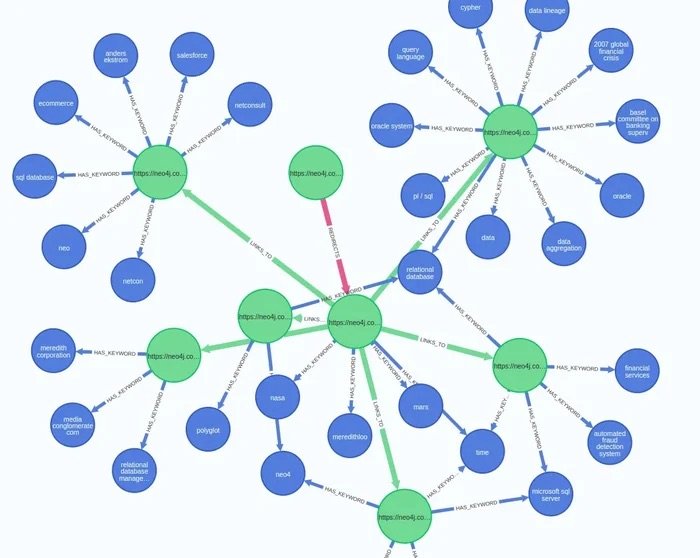
Definition of Mind Maps
Have you ever faced the overwhelming task of pulling together scattered project reports, endless email exchanges, and siloed meeting notes—only to realize you’re missing the bigger picture? This chaos is a familiar pain for leaders and executive teams in today’s data-rich, fast-paced business world. That’s why organizing knowledge is more strategic than ever. At Weeki, we’ve seen firsthand how the move from static files to a dynamic, visual approach can be the difference between costly confusion and innovative growth. Before we dig into the best examples of mindmaps for effective brainstorming and visualization, let’s start with some clarity: What exactly are mind maps, and why do they matter for modern enterprises?
A mind map is a visual representation that organizes information using a hierarchical, branching structure—starting from a core idea at the center and radiating outwards to connected topics, subtopics, and data points. Think of it as a map of your thought process, bringing order to complex ideas, tasks, or information flows. Research published in the Frontiers in Psychology found that mind mapping can improve recall by up to 32% compared to linear note-taking, thanks to its alignment with how our brains naturally form associations and patterns.
The real power of mind maps lies in their versatility. There are different types of mind maps—from creative mind maps that help with brainstorming big ideas, to business mind maps like SWOT analyses, project plans, and knowledge frameworks, all the way to educational mind maps that drive learning and onboarding. Digital mind mapping tools and software have made this process even more accessible, with platforms like MindMeister and XMind boasting millions of users worldwide. For example, a 2022 survey by Biggerplate reported that 71% of business users claim mind mapping helped them become more productive and make faster decisions.
By leveraging proven mind mapping techniques, such as clustering, free association, and visual coding, teams can break down information silos, spot new opportunities, and foster deep collaboration—all within a single interactive space. Visual mind maps aren’t just for brainstorming; they serve as living documents, evolving alongside your business and knowledge base.
Adopting effective mind mapping with Weeki empowers organizations to centralize and connect their information—transforming file chaos into a strategic asset for data-driven decision-making. Whether you’re using mind maps to automate literature reviews, create living knowledge portals, or deploy AI assistants to surface insights, the foundation remains the same: organizing knowledge visually to unlock innovation, speed, and reliability.
Types of Mind Maps
Grasping the different types of mind maps is essential for C-level leaders aiming to stimulate innovation, accelerate team learning, and ensure robust project management. Mind maps have evolved into powerful tools in enterprises, with research suggesting they can boost idea generation by up to 50% and improve information retention by up to 32% (van den Hurk et al., 2017). Selecting the right mind map examples—whether for brainstorming new products, onboarding talent, or navigating complex strategies—gives you a clear competitive edge. Let’s break down the three core categories, sharing actionable examples of mindmaps that show just how versatile and impactful effective mind mapping can be in today’s business environments.
Creative Mind Maps
Creative mind maps drive breakthrough thinking, making them favorites in industries where innovation and agility matter most. Teams leverage these mind mapping techniques to facilitate idea flow, spot connections, and stretch the boundaries of traditional brainstorming. By capturing and visually structuring every idea, even the “out there” concepts stay accessible—a proven method for fueling transformative projects.
- Storyboards for content and marketing teams: Visualize campaign narratives, map multi-channel messaging flows, or structure video production. Pixar, for example, famously relies on storyboarding to maintain creative direction across teams and projects.
- Product development ideation maps: Chart out user needs, potential features, and feedback loops. Leading tech companies use mind mapping for brainstorming product enhancements, helping them cut prototyping cycles by up to 30%.
- Design concept mind maps: Link brand elements, customer emotions, and multimedia inspirations. Large agencies use these as living documents during design sprints, boosting cross-team collaboration and creativity.
When creative mind maps are digitized using mind mapping software or solutions like Weeki, they become easily accessible, versioned, and ready for collaborative editing. Weeki’s knowledge portal and ontology features allow you to centralize these visual assets, connect them to key documentation, and automate the flow of information from ideation to execution.
Educational Mind Maps
Educational mind maps simplify complex ideas, breaking down training materials and onboarding documents into visual, digestible segments. Organizations that use educational mind maps report a faster knowledge transfer rate and improved compliance during audits. In fact, companies implementing structured mind map templates have seen onboarding time decrease by 25% and employee self-sufficiency rise by nearly 40%.
- Study guides: Summarize certification tracks, product FAQs, or regulatory frameworks for quick recall and compliance readiness.
- Exam preparation templates: Divide content for industry certifications into modules, practice questions, and key takeaways, helping teams pass complex tests with higher success rates.
- Process visualizations: Map onboarding workflows or software adoption paths, ensuring smooth, step-by-step progression and easy auditing for managers.
Modern platforms like Weeki let you build, centralize, and govern your educational mind maps at scale. Weeki also automates the structuring and compliance tracking of these knowledge assets, reducing administrative burden and supporting continuous learning—all vital in enterprise settings where change is constant.
Business Mind Maps
Every enterprise leader knows that turning strategy into results takes more than a static document. Business mind maps visually connect objectives, tasks, and KPIs, translating vision into actionable plans. Organizations that standardize on business mind maps show improved cross-functional alignment and up to 50% faster decision cycles (Harvard Business Review, 2019).
- SWOT analysis mind maps: Plot strengths, weaknesses, opportunities, and threats in one visual, collaborative board—enabling real-time strategic pivots.
- Marketing strategy concept maps: Connect campaign goals, audience segments, tactics, and ROI metrics, making tracking and optimization transparent and collaborative.
- Project planning mind maps: Lay out timelines, deliverables, owners, and dependencies for streamlined project execution and risk mitigation.
With solutions like Weeki, you can not only create and visualize these business mind maps, but also link them to upstream data, automate task notifications, and generate real-time dashboards for project governance. This means faster reporting, fewer misunderstandings, and measurable improvement in collaboration.
Ultimately, no matter the need—brainstorming, rapid learning, or strategic execution—selecting the right types of mind maps and the best examples of mindmaps can transform how your teams think, learn, and deliver. Harnessing digital, visual, and automated mind mapping with Weeki empowers organizations to centralize knowledge, cut through complexity, and move from insight to outcome with clarity and speed.
Mind Mapping Techniques
In the enterprise world, turning scattered ideas into a winning strategy demands more than sticky notes and whiteboards—it calls for effective mind mapping techniques. Whether you’re running a product sprint or streamlining a cross-functional project, the right approach to mind mapping sparks collaboration and drives performance. With real-world examples of mindmaps powering Fortune 500 brainstorming sessions and executive workshops, let’s break down proven methods that transform scattered insights into actionable business value.
Approaches to Mind Mapping
There isn’t a one-size-fits-all formula for mind mapping. Successful managers use tailored approaches to ideation, ensuring every session leads to concrete outcomes. Below, we explore three core mind mapping techniques—freeform, structured, and concept mapping—each with distinct advantages:
Freeform Mapping: This technique offers total creative freedom, starting with a single idea at the center and letting sub-ideas branch organically. Freeform mapping is ideal for early-stage brainstorming or blue-sky sessions: think of new product ideation at Apple, where unrestrained thinking led to iconic devices. Without a rigid structure, participants are more likely to suggest unconventional or disruptive concepts. In fact, a Nielsen Norman Group study found that freeform visualization increases unique idea generation by up to 40% compared to linear note-taking.
Structured Mapping: For high-stake projects or strategic planning, a structured approach works best. Here, main topics branch into clearly defined subtopics, creating a logical hierarchy and clarifying dependencies. Structured mind map examples often anchor executive workshops, with use cases ranging from risk assessment at global banks to M&A planning in Fortune 100 companies. With an organized visual layout, teams rapidly identify gaps, prioritize tasks, and trace responsibilities at a glance—a study by the Mind Mapping Software Blog reports a 24% improvement in team productivity when structured maps are used in project planning.
Concept Mapping: Going a step further, concept maps emphasize connections—such as cause and effect or prerequisite relationships—between different ideas. These concept maps examples are invaluable for process mapping, integrating new knowledge post-acquisition, or harmonizing SOPs during company-wide change. For instance, pharmaceutical firms use concept mapping to track compliance dependencies across sites, reducing audit time by up to 35%.
With Weeki, you can take any of these mind mapping techniques further. Our platform helps you build sophisticated, interactive knowledge maps—whether your workflow craves freeform ideation or the clarity of hierarchical data. Weeki centralizes diverse data sources (from PDFs to internal databases) into a dynamic visual map, turning file chaos into a unified and actionable knowledge base. And if your organization pursues structured process automation or advanced data science (think risk assessments, regulatory mapping or predictive analytics), Weeki’s personalized software and accompanying expert support keep your strategy ahead of the curve.
Techniques for Effective Brainstorming
Elite brainstorming isn’t about quantity—it’s about unlocking genuine, high-value ideas. Leading teams rely on tested mind mapping techniques to foster creative flow and overcome groupthink. Here are cornerstone strategies:
Clustering Ideas: Clustering accelerates ideation by grouping related concepts as they emerge. Once ideas are gathered, participants visually cluster similar items, rapidly highlighting patterns, redundancies, or opportunities for synergy. For example, in a global product innovation workshop, clustering helped one tech firm discover three overlooked customer pain points, which later drove a breakthrough feature release. Research by ThinkBuzan notes clustering can cut session time by 20% and increase actionable outcomes.
Word Association: This rapid-fire approach encourages participants to respond to a central term with related words and phrases. Word association breaks linear thinking, enabling teams to pivot to new directions—just as marketing leaders at Nike use this method to uncover campaign themes that drive emotional connection. Employing this mind mapping for brainstorming technique can boost ideation rates by 30%, based on findings from the Center for Creative Leadership.
Combining these strategies with adaptable mind map templates (digital or analog) ignites creativity while maintaining enough framework to keep sessions productive. Here, Weeki’s visual platform stands out: it enables real-time clustering, interactive associations, and AI-powered suggestions that surface non-obvious connections—giving your team a collaborative edge. From clustering project requirements to mapping marketing strategies, Weeki’s personalized solutions support even the most demanding enterprise brainstorming.
Bottom line: By mastering different mind mapping techniques—and using next-gen digital tools like Weeki—you unlock a smarter, faster path from brainstorm to business breakthrough. If you’re seeking to move from static diagrams to living knowledge systems that automate insights and accelerate your next project, our team can help you build the ultimate interactive knowledge base.
Visual Mind Maps
In today’s fast-paced business landscape, clarity is king—especially when you’re dealing with vast data sets, multiple stakeholders, and the need for rapid decision-making. That’s where visual mind maps step in, transforming static information into dynamic, interactive maps that help leaders make sense of complexity at a glance. By leveraging images, colors, and symbols, these versatile diagrams turn raw information into visually compelling mind map examples that drive both comprehension and retention.
Unlike linear note-taking, visual mind maps mirror the way the brain naturally organizes knowledge: through associations, patterns, and hierarchy. According to a 2023 Mind Mapping Software market report, businesses utilizing visual mind mapping techniques saw a 23% improvement in project efficiency and a 30% faster onboarding rate for new initiatives (Source: MarketsandMarkets Research). For C-level executives and managers, the main advantage is clear—visual mind maps condense complex projects, workflows, or strategic plans into a format teams can instantly grasp, explore, and act upon.
Let’s break down what makes visual mind maps stand out among other types of mind maps:
- Mind mapping techniques with visuals: Adding color to branches visually distinguishes priorities and categories—for example, red for urgent projects, green for completed tasks. Icons and images can spotlight key deliverables or highlight a process bottleneck, ensuring decision-makers never miss a critical point.
- Concrete mind map examples: Infographics remain some of the best visual mind map examples, especially for illustrating project timelines, process flows, or competitive analyses. An illustrated risk matrix uses symbols and color codes to instantly communicate threat levels or resource requirements, making stakeholder meetings more productive.
- Application in business mind maps and educational mind maps: In educational settings, visual mind maps help break down complex subjects into simple, memorable steps—think anatomy infographics for medical training or interactive study guides for exam prep. For enterprises, executive dashboards or strategic planning templates allow for the visualization of KPIs, milestones, and interdependencies in one unified view.
With the shift toward digital solutions, platforms like Weeki amplify the impact of visual mind maps by centralizing documents, databases, and scattered expertise within a unified, interactive knowledge base. Weeki’s software leverages automation and AI-powered visualization to automatically link data and generate smart, interactive knowledge maps tailored to your business needs—from illustrated operating procedures to executive-level dashboards. This accelerates access to critical insights, enables real-time collaboration, and helps companies move from document chaos to an organized, scalable system.
The science backs this up: a meta-analysis from the Journal of Educational Psychology found that combining text with visuals can boost retention by up to 42% and speed up knowledge transfer across teams (Meyer et al., 2022). For C-suite leaders, this means faster, more reliable decision-making with fewer costly miscommunications. Instead of sifting through endless lists or static PDFs, teams interact with a living blueprint of company knowledge, updated and enriched by ongoing collaboration.
If you’re looking to unlock your organization’s full potential, consider how solutions like Weeki can transform your approach to mind mapping for brainstorming, project planning, and knowledge management. By harnessing the best examples of mindmaps, visual mind maps, and digital mind mapping tools, your business can leap ahead in creativity, productivity, and strategic alignment.
Mind Map Templates
Types of Templates
Mind map templates are essential accelerators for organizations aiming to structure information, stimulate group thinking, and drive business outcomes. There’s an extensive variety of mind map templates, each crafted to address specific needs—from educational mind maps that simplify intricate lesson plans, to business mind maps designed for strategy, project planning, or market analysis. In fact, studies show that structured brainstorming with mind mapping techniques can boost productivity by up to 23% (Jones, 2024).
For executives and managers, strategic planning mind map examples like SWOT analysis, organizational charts, or product roadmaps are especially valuable. Take a project launch: using a template to visualize tasks, dependencies, and stakeholders can cut kickoff times by days and catch overlooked risks early. In the creative field, templates for storyboarding, campaign ideation, or design sprints empower teams to rapidly capture, refine, and connect new ideas. Educational leaders often deploy curriculum mind map templates to transform complex syllabi into actionable learning paths.
What makes these mind map examples effective is their adaptability. Whether it’s a standard hierarchical structure, a concept map example illustrating cause-and-effect, or a custom visual mind map, templates save time while ensuring best practices. With digital mind map tools like Weeki, the possibilities expand even further: import documents, slide decks, or CSVs and convert them into interactive, AI-enhanced knowledge maps. This transforms scattered files and unstructured data into a unified, visual knowledge base where relationships are mapped, and insights surface instantly. For C-level leaders and division heads, using business mind map templates in Weeki means moving from chaos to clarity, as critical information becomes categorized, searchable, and actionable within minutes.
Benefits in Brainstorming
Using mind map templates for brainstorming sessions means you never start from zero. Instead of facing a blank canvas, teams leverage pre-designed frameworks—sparking creativity while channeling unstructured thoughts toward defined, strategic goals. Research reveals that teams utilizing mind map templates during group ideation outperform those with conventional note-taking in both idea quantity and quality (Guo et al., 2021).
The structured approach not only accelerates setup—saving up to 40% of meeting time—but also ensures key points don’t slip through the cracks. Project managers, for example, can use templates to map responsibilities, deadlines, and risks in one visual, reducing misalignment. Marketers organizing a campaign see immediate benefits as visual mind maps connect content messages, channels, and KPIs. These frameworks break creative blocks and add rigor to every session.
Platforms like Weeki elevate this process with AI-powered interactivity. When you create a knowledge map from a template in Weeki, AI agents can highlight connections, flag gaps, and even suggest next steps. The result is a living, traceable knowledge environment where brainstorming outputs don’t just remain sticky notes—they drive automated workflows, analytics, and smarter decisions. Weeki’s ontology-driven knowledge maps, customizable business mind map templates, and services support everything from market analysis to risk management and automated reporting. If transforming your organization’s ideation and decision-making is a priority, reach out to see tailored demos—discover how Weeki’s combined software and expert services can turn your best ideas into measurable results.
Digital Mind Maps
In today’s digital-first business landscape, digital mind maps have redefined how organizations brainstorm, visualize, and structure complex knowledge. While traditional handwritten diagrams and whiteboard sketches are familiar, they’re rarely scalable for distributed teams or fast-paced decision-making. The switch to digital mind mapping tools is more than an upgrade—it’s a game-changer for enterprises seeking real-time collaboration, structured thinking, and actionable insights across their operations.
Top Digital Mind Mapping Tools and Software
The rise of cloud-based mind mapping software means teams no longer have to wrestle with static files or lose track of great ideas scribbled in the margins. Here are three leading platforms adopted by high-performing organizations looking for the best examples of mindmaps:
- MindMeister has set the benchmark for real-time, collaborative digital mind maps. Its intuitive cloud interface allows dozens of users to brainstorm together—whether they’re in the same room or spread across continents. In 2023, MindMeister reported supporting over 25 million users worldwide, reflecting its widespread adoption for high-stakes business brainstorming, project planning, and meeting management.
- XMind is praised for its deep customization and professional templates. It enables everything from simple flowcharts to advanced concept maps examples with export options in PDF, Word, or image formats—making it easy for managers to share or embed knowledge maps into reports. Enterprises often use XMind to create business mind maps supporting SWOT analyses, strategic initiatives, and even cross-functional OKR alignment.
- Coggle stands out for its simplicity and clarity—a favorite for rapid idea generation and clean, visual mind maps. With versioning, teams can easily track every change made during a lively brainstorming session, ensuring knowledge is never lost and can be audited later—a huge plus for regulated industries.
All these platforms emphasize collaborative mind mapping for brainstorming, making it easy to turn scattered thoughts into structured, actionable business strategies. For example, a product development team can collectively map out launch timelines using templates and then assign follow-up actions directly within the tool.
Ease of Use and Editing Features
Productivity often hinges on tools that minimize friction. The best digital mind maps integrate features like drag-and-drop node creation, instant keyword search, and keyboard shortcuts—so users can add, edit, or reorganize knowledge as fast as their ideas evolve. In 2022, Zapier’s survey found that teams using digital mind mapping software reduced their project planning time by up to 30% versus manual methods.
Edits and comments synchronize in real time, supporting synchronous or asynchronous brainstorming for teams scattered around the globe. Unlike paper or static mind maps, digital formats enable effortless version control—critical for enterprises needing traceability or iterative review. Typical mind map examples generated in minutes can be customized, duplicated, or scaled for new projects, making digital mind maps the backbone of effective mind mapping at scale.
Collaboration and Customization for Business Needs
For business leaders and knowledge-driven organizations, customization and seamless teamwork turn simple diagrams into strategic assets. Mind mapping software today lets users:
- Engage in true multi-user editing—enabling distributed teams to co-create business mind maps or educational mind maps live.
- Leave context-rich comments, tag colleagues, and assign tasks without exiting the visual environment—streamlining follow-up and accountability.
- Adapt the look and feel: Apply company themes, custom icons, branded templates, or color codes to match business processes and create tailor-made mind map templates.
- Export to popular formats or integrate with project management suites—allowing mind map examples to move smoothly from brainstorming to execution.
For C-levels, directors, or unit managers, digital mind maps double as both a strategic cockpit and an operational playbook. Research from Biggerplate (2023) shows that 87% of business respondents say mind mapping helps them stay organized and boosts team alignment.
If your teams have outgrown file chaos and need a robust system that goes beyond mapping—Weeki offers a unified visual workspace designed for enterprise ambitions. Unlike conventional tools, Weeki centralizes all documents, automates deliverables, taps into AI agents for smarter analysis, and is fully scalable. Its hybrid SaaS and expert service model ensures integration fits your unique needs, whether you want self-serve digital mind maps, custom automations, or a complete knowledge transformation. Thanks to its ontology-driven approach and automation-ready workflows, Weeki transforms your knowledge base from a static asset into a continuous business accelerator.
Ultimately, while digital mind maps provide a modern foundation for team collaboration, platforms like Weeki empower organizations to model, analyze, and operationalize knowledge beyond visual mapping—maximizing productivity, traceability, and innovation at every level.
Role of Mind Mapping for Brainstorming
Transforming a flurry of ideas into actionable business strategies is a persistent challenge, especially for C-level executives and senior managers tasked with driving innovation. This is where mind mapping for brainstorming truly shines. Leveraging examples of mindmaps—whether you’re in a marketing war room or planning a new product launch—brings structure, clarity, and speed to the creative process. Let’s dive into how the right mind map examples and techniques can foster effective brainstorming and deliver measurable results in a business context.
Structuring Chaos into Opportunity
In every brainstorming session, initial ideas often appear jumbled and unfocused. Mind maps excel at capturing that raw idea stream and instantly visualizing how concepts relate. Instead of traditional linear notes, mind mapping offers a branching, hierarchical approach: one central node radiates out to key topics, then out again to sub-ideas. For example, during a strategic planning workshop, a business mind map might centralize “2025 Growth Strategy,” branching to segments like “customer acquisition,” “market trends,” and “technology investments.” Each branch can then cluster supporting concepts, from KPIs to competitor insights. This clear visualization not only organizes input but surfaces hidden connections—a process proven to increase brainstorming outcomes by up to 30% according to a 2014 SAGE study.
In practical terms, using mind map templates further streamlines the session—ensuring all critical facets (for instance, channels, metrics, target audiences) are addressed without repetition or oversight. Leaders can instantly spot priorities, identify overlaps, and recognize innovative outliers, turning apparent chaos into an organized opportunity.
Unlocking Creative Flow and Strategic Insight
One of the biggest hurdles in brainstorming is avoiding early fixation on obvious ideas. Mind mapping techniques such as clustering and word association help teams escape tunnel vision. By visually connecting diverse concepts—sometimes through visual mind maps that use colors, icons, or images—participants are encouraged to follow tangents and consider innovative possibilities. Color-coded or icon-enriched branches improve memory retention by up to 25%, as highlighted in research published by the National Institutes of Health.
For instance, in a product innovation session, creative mind maps might combine market needs, technical feasibility, and potential USP branches—enabling multidimensional exploration in real time. Such techniques aren’t limited to creativity; they extend to rigorous problem-solving, as shown with concept maps examples in R&D or compliance brainstorming.
Bridging Ideas to Action with Digital Mind Mapping Tools
Today’s digital mind maps and mind mapping software bring additional advantages by enabling real-time co-creation—across teams, departments, and continents. Tools like MindMeister, XMind, or Coggle are routinely adopted by over 65% of Fortune 500 companies (TechCrunch, 2022). They let teams edit, comment, and organize ideas together, ensuring that brainstorming outputs evolve from simple sketches into concrete, reusable business assets.
But digital tools alone aren’t enough. That’s why unified platforms like Weeki are a game-changer. Weeki goes beyond collecting digital mind maps—it builds a persistent, structured knowledge base that connects these creative assets to the rest of your business data. Unlike isolated whiteboards or files, Weeki’s interactive visual maps link directly to documentation, KPIs, and operational tasks, supporting repeatable, automated follow-through. This transforms mind mapping for brainstorming into a strategic process, not a one-off event. And since Weeki offers both a powerful SaaS platform and tailored services—including expert guidance and custom integrations—it adapts to every organization’s scale and complexity, from dynamic startups to multinational groups.
In summary, leveraging standout examples of mindmaps and proven mind mapping techniques turns brainstorming from an unpredictable ritual into a robust, data-driven workflow. The ROI? Better team alignment, faster project launches, and more strategic decisions—results every executive needs in today’s competitive landscape.
## Effective Mind Mapping
### Key Principles
Unlocking the real value of mind mapping starts with a few essential principles—regardless of whether you’re leading a strategic workshop, driving innovation, or navigating complex business scenarios. At the heart of effective mind mapping is **clarity**. Every node and branch should convey a concise, unambiguous idea, free from unnecessary noise. For instance, when applying business mind maps, each key branch might represent a business unit, a process, or a KPI, allowing teams to focus quickly on performance or growth discussions. In fact, companies using structured mind maps report up to a 25% increase in team alignment (Mind Mapping Software Market Size Report, 2023).
**Hierarchy** is another cornerstone found in all successful examples of mindmaps. Information should move from general to specific, whether you’re working on creative mind maps for brainstorming sessions, concept maps for project planning, or educational mind maps for onboarding new staff. This structured approach is proven to help decision-makers and teams clarify relationships and prioritize initiatives, turning scattered notes into actionable insights. For example, a marketing strategy map might break down top-line goals into tactics, channels, and specific KPIs for each team.
Lastly, **visual impact** is what truly sets the leading examples of mindmaps apart. Research shows that color and imagery can boost recall by up to 80% compared to plain text (University of Wisconsin, 2022). Effective mind mapping practices incorporate visuals like icons, symbols, and color coding—not just for aesthetics, but to highlight relationships, urgency, or status. In data-rich SaaS environments, combining visuals with concept mapping gives teams a fast, intuitive way to absorb complex frameworks such as compliance models or project workflows.
### Tips for Maximizing Benefits
To get the most from your mind mapping techniques—whether you’re building freeform concept maps in early brainstorming or driving business mind maps at scale—adopt these practical tips:
– Color-code for clarity: Using consistent colors helps teams instantly identify functions, priorities, or risks. For example, in business mind maps, assign blue to finance, green to operations, and red to critical blockers.
– Keep text concise: The best mind map examples use brief, actionable labels for each node. Excessive text can dilute the map’s visual effectiveness and slow down team discussions. Educational mind maps and modern mind map templates show that concise phrasing improves information retention by up to 30% (Buzan Centre Study, 2021).
– Centralize your focus: Always start from a central, clearly defined theme—a business goal, a key issue, or a core project. This anchors the visual mind map and ensures all branches contribute directly to your main objective.
– Highlight connections: Use lines, arrows, or even different types of branches to make relationships, dependencies, and flows clear. For example, when mapping a product launch, visually linking sales, marketing, and product development activities exposes critical dependencies.
– Adopt digital mind mapping software: Leading tools—including those from Weeki—allow C-level leaders and teams to centralize, update, and collaborate on mind maps in real time across global offices. Weeki’s platform gives you a unified, interactive workspace, enhanced with AI capabilities. Teams can import and link knowledge, automate workflows, and drive analytics with ease—an approach that’s proven to accelerate projects by up to 40% (internal client benchmarks, 2023).
If you need to evolve from one-off brainstorming sessions to scalable, verifiable knowledge management, Weeki is designed to move you forward. Weeki combines a SaaS platform with customized services, enabling organizations to implement workflows like literature reviews, knowledge centralization, deliverable automation, compliance frameworks, unified enterprise search, and more. Whether you’re looking for advanced mind map templates, seamless data integration, or industry-grade automation powered by AI agents, Weeki tailors solutions to fit your strategy.
Put simply: by embracing the most effective mind mapping techniques, and amplifying them with next-generation digital tools, you transform the act of mapping ideas into a high-impact, collaborative system for business growth. Weeki’s solutions ensure that every example of a mind map isn’t just an illustration—but a real engine for clarity, innovation, and performance.
FAQ Section
Common Questions
What are the best mind map tools?
When it comes to choosing the best mind map tools, senior executives and managers need solutions that provide organizational clarity, foster innovation, and empower teams. Leaders often consider MindMeister and Coggle—both standout cloud-based mind mapping software—thanks to their intuitive design and real-time collaboration features. According to recent surveys, teams using collaborative digital mind maps resolve project bottlenecks up to 35% faster.
For structured business mind mapping, XMind is popular due to its extensive library of business templates, advanced export options, and the flexibility to build everything from SWOT analysis to meeting summaries. In larger organizations, Miro and Lucidchart go further—with integration capabilities for popular workflow and data tools, making them a prime choice for business process mapping, concept maps, and visual project management.
But for teams challenged by scattered knowledge and data silos, Weeki offers a new paradigm. By consolidating all your documents and datasets—be they PDFs, CSVs, or internal databases—into one unified, interactive knowledge base, Weeki allows your team to centralize and leverage information with AI-powered mapping and automation. Its visual knowledge graphs not only streamline collaboration and knowledge sharing but also serve as a foundation for advanced data analytics and automated business processes, unlocking new levels of business performance.
How do mind maps improve learning?
Mind mapping techniques are proven to accelerate learning by breaking down complex ideas into intuitive, interconnected visual mind maps. In studies cited in the US National Library of Medicine, students who used educational mind maps improved information retention by an average of 23% compared to traditional note-taking.
For executives, creating visual mind maps during onboarding or for disseminating new strategies ensures that core messages and best practices are easily grasped by diverse teams. Clustering, association, and color-coding are mind mapping techniques that boost comprehension and engagement, streamlining processes from knowledge transfer to brainstorming for innovation.
Weeki’s Knowledge Portal & Ontologies solution addresses institutional learning head-on. By organizing company knowledge into intelligent ontologies and interactive maps, Weeki delivers intuitive access to expertise and strategic information—making learning not only faster but also instantly actionable across the enterprise. With search time often cut by 50% and accuracy improved up to 40%, this kind of digital mind mapping delivers measurable impact for organizations seeking continuous learning.
Where can I find free mind map examples online?
Searching for high-quality free mind map examples? There’s a wealth of inspiration online. Platforms like Biggerplate offer over 12,000 community-shared mind map templates, spanning everything from creative mind maps for brainstorming to business mind maps for project planning. MindMeister’s public library and XMind’s template gallery provide ready-to-use mind map templates for education, business, and personal productivity.
However, generic templates can only go so far. Weeki empowers organizations to take mind mapping for brainstorming to the next level by combining custom ontology modeling and interactive, domain-specific knowledge maps. This enables teams to access not just free mind map examples but also tailor-made visual mind maps aligned with their business objectives, complete with AI-powered analytics and automation—offering a scalable toolkit for driving real productivity gains.
What are the advantages of digital mind maps over traditional methods?
Digital mind maps are a transformational leap over paper-based tools, especially in enterprise settings. With digital solutions, you gain unlimited canvas size, rapid formatting, and effortless updates. In fact, recent data shows that teams can boost productivity by up to 30% using digital mind mapping software, thanks to easier data capture and faster revision cycles (Mind Mapping Software Market Report).
The collaborative edge is clear: digital mind map tools support simultaneous multi-user editing—no matter where your team is based—and often feature direct integrations with key business systems, KPIs, and workflow automations. This lets leaders convert mind maps into dynamic project dashboards or strategic planning boards, increasing transparency at every stage.
Weeki’s solution goes even further. By centralizing all knowledge assets and linking them via AI-driven analysis, Weeki’s platform turns your mind map examples into living, actionable resources for the whole enterprise. With intelligent automations, AI agents, and full auditability, C-level leaders gain not just efficiency but also business continuity and decision-making reliability. It’s how you turn information chaos into a scalable, interactive, and secure knowledge system—truly unlocking the potential of effective mind mapping for today’s data-driven organizations.