
## The Significance of Mind Mapping for Productivity
Imagine you’re leading a project kickoff and your screen is flooded with bullet points, spreadsheets, and half-finished slides from multiple stakeholders. The challenge is clear: how do you connect ideas, structure all this input, and quickly move the team toward actionable outcomes? Here’s where mind mapping tools, and especially advanced platforms like mindmaps.com, deliver game-changing value for productivity and visual thinking.
Mind mapping has long been recognized as a powerful productivity tool for C-level executives, managers, and project leads. According to a study by the Mind Mapping Software Blog, professionals using mind mapping report a 15% increase in productivity on average. The reason is simple: mind mapping takes scattered information and converts it into a visual, interactive structure—making it easy to break down complex projects, brainstorm creative solutions, and see the relationships between ideas at a glance. This kind of visual thinking has been shown to boost comprehension and memory retention by up to 40%, as per research published in Applied Cognitive Psychology.
With an intuitive approach of nodes and branches, mind mapping software empowers teams to tackle complex business challenges efficiently. Whether you’re defining a market strategy, planning a product launch, or mapping internal workflows, these tools foster structured thinking. By using mind mapping platforms like mindmaps.com, leaders move beyond static note-taking and endless lists, transforming project planning into engaging visual journeys that drive alignment and clarity from day one.
Consider the example of a global consulting firm that transitioned from traditional file storage to online mind mapping. By centralizing documents and processes with collaborative mind maps, they cut project initiation time by 30% and saw measurable improvements in idea visualization and team engagement. These tangible outcomes underscore why digital mind maps are becoming an essential piece of the modern productivity toolkit—and why the right choice in mind mapping tools makes such a difference.
At the same time, integrating online mind mapping into your workflow isn’t just about drawing diagrams. Platforms like mindmaps.com combine real-time collaboration, concept mapping, and visual brainstorming techniques, offering customized templates that match your business processes. This means teams can brainstorm in live sessions, navigate complex dependencies, and move seamlessly from ideation to execution—all within a secure, scalable environment. For enterprises facing information overload and fast-changing priorities, structured mental models and interactive digital mind maps are more than productivity tools; they’re the foundation for reliable decision-making.
If structuring knowledge and unlocking your company’s data potential are top priorities, don’t miss out on solutions like Weeki. Weeki brings together robust SaaS technology and expert support to centralize, model, and automate your business knowledge—from building unified knowledge portals and deploying AI assistants to automating the creation of complex deliverables. Whether your organization needs to streamline literature reviews, deploy a secure knowledge portal, or automate project documentation, Weeki provides tailored software and services with measurable gains in speed, compliance, and ROI—ensuring all your decision-making is powered by actionable, well-structured data.
By leveraging next-gen mind mapping software and contextual tools like Weeki, today’s leaders turn information chaos into a strategic asset—accelerating project planning, enhancing team collaboration, and driving sustainable business growth.
Collaborative Efforts in Mind Mapping
In today’s ultra-connected business world, mind mapping has evolved far beyond the limits of a conference room whiteboard. With online mind mapping platforms like mindmaps.com, C-level leaders, managers, and teams can now collaborate seamlessly from anywhere, co-creating and organizing complex ideas in real time. According to Statista, the global SaaS market is expected to surpass $200 billion, and it’s clear why: tools that drive collective decision-making and knowledge sharing, like collaborative mind mapping software, are now vital to productivity and innovation.
Advantages of Online Mind Mapping
One standout advantage of online mind mapping is real-time, interactive idea sharing. Unlike traditional mind mapping tools—where ideas are captured in isolation or limited by physical presence—digital mind maps empower distributed teams to brainstorm together, update concepts instantly, and visualize connections as they emerge. Imagine a product development team spread across New York, Paris, and Tokyo, all mapping out a go-to-market strategy on mindmaps.com. Each participant can add suggestions, cluster related thoughts, or clarify branches without waiting for the next meeting or risking ideas getting buried in endless email threads.
This level of collaborative mind mapping doesn’t just boost engagement; it amplifies organizational intelligence. Harvard Business Review found that teams using visual collaboration tools report up to a 30% increase in idea retention and project velocity (HBR, 2022). With mindmaps.com, collective brainstorming evolves into actionable project blueprints—reducing wasted effort, promoting knowledge transfer, and giving everyone a stake in the final outcome.
Features Supporting Collaboration
What makes mindmaps.com stand out among mind mapping software is its robust set of features designed for real-time team collaboration and structured thinking. Teams are no longer hampered by outdated tools that restrict editing or force users to juggle multiple versions of the same document. Instead, mindmaps.com ensures that multiple users can contribute simultaneously, with automatic change tracking and permission settings that maintain structure and accountability.
Practical features abound: team members drag and drop idea nodes, use color-coding for priority setting, attach files directly to branches, and link to both internal wikis and public resources—all on a single interactive map. For example, a marketing lead can cluster campaign themes while others vote or comment in real time, transforming nebulous brainstorming into clear, actionable strategies. Integrated version history further supports structured thinking and governance, letting project managers review prior iterations or roll back changes as needed.
For organizations striving to break down silos, online mind mapping platforms like mindmaps.com eliminate barriers to knowledge sharing and engagement. And when paired with advanced solutions like Weeki’s Knowledge Portal & Ontologies, which centralizes scattered content (Office 365, Google Drive, Confluence, and more) into a unified, structured knowledge base, the benefits multiply. Teams cut search times by up to 50%, improve information accuracy, and transform documentation chaos into actionable insight—supercharging every collaborative planning session.
## Techniques for Effective Brainstorming
### Visual Thinking Importance
If you’ve ever led an executive meeting where brainstorming stalls or discussions feel chaotic, you’re not alone. Studies indicate that up to 65% of leadership teams experience “idea overload” in group sessions—making it challenging to connect and prioritize creative concepts efficiently (Harvard Business Review, 2021). This is where visual thinking truly revolutionizes the process. By translating complex, abstract ideas into visual frameworks, executives can quickly identify connections, gaps, and opportunities that would otherwise remain hidden.
Online mind mapping tools like mindmaps.com enhance visual thinking through digital mind maps that update in real time. Unlike traditional whiteboards or static note-takers, these platforms allow you to instantly capture ideas as interactive nodes, branches, or clusters. For example, during a remote product strategy workshop, every participant—whether onsite or dialing in—can contribute ideas directly onto the shared canvas, boosting engagement and reducing the friction often caused by manual note consolidation. According to Gartner, teams using collaborative mind mapping software shorten brainstorming sessions by up to 30% and report higher clarity in their outputs.
mindmaps.com supports essential brainstorming techniques such as free association—where every idea is recorded without concern for hierarchy—and clustering, which groups related concepts for deeper exploration. These mind mapping tools not only encourage out-of-the-box thinking but also produce tangible, organized outputs. Free association surfaces unexpected insights by bypassing mental blockers, while clustering translates creative sparks into the first layer of project planning. The end result is a visually coherent map that fosters more structured thinking, increases the quantity and quality of ideas, and sets the strongest foundation for collaboration.
### Concept Mapping Role
While generating a flow of ideas is a key goal during brainstorming, transforming those raw thoughts into actionable strategy demands structure. This is where concept mapping becomes invaluable for leaders and project teams alike. Concept mapping organizes ideas into an interconnected web, making relationships and dependencies explicit—critical for informed decision-making at the management level.
With mindmaps.com, building concept maps is seamless thanks to its interactive, drag-and-drop mind mapping software. You can rapidly connect themes, annotate relationships, and assign visual markers or icons to highlight priorities and dependencies. For example, imagine mapping all touchpoints in a customer journey for a new service launch: in minutes, your team can connect feedback, operational steps, and KPIs into a living, navigable structure. These digital mind maps serve as a consistent reference point—helping steer meetings back to objectives and keeping teams aligned even as circumstances evolve.
The value of mindmaps.com extends beyond static diagrams. Its online mind mapping tools make it easy to revisit, refine, and reorganize maps as business priorities shift. For enterprises facing information overload or scattered documentation, integrating their workflows with advanced solutions can be transformative. A software and model/automation service like Weeki, for instance, brings scattered documents, databases, and analytics under a unified, automated knowledge base—amplifying the benefits of collaborative mind maps and enhancing both brainstorming and decision-making with AI-powered context.
For C-level executives determined to maximize productivity, mindmaps.com stands out among mind mapping tools for its seamless user experience, rich collaborative features, and ability to drive structured thinking in complex, fast-paced business environments. By combining the creative spark of visual brainstorming with structured concept mapping, organizations can accelerate project planning and turn collective ideas into real outcomes.
Structured Thinking and Mind Mapping
In today’s fast-paced business landscape, strategic decisions often stall under the weight of scattered files and disjointed ideas. Structured thinking is the antidote—it’s the disciplined process of logically ordering thoughts, facts, and tasks so leaders can chart a clear course of action. For C-level executives and decision-makers, structured thinking is no luxury; it’s a core skill that cuts complexity and delivers results.
Definition of Structured Thinking
Structured thinking transforms ambiguity into actionable frameworks. It’s about organizing information logically to ensure clarity, priority, and clear communication. This method underpins effective project planning, risk management, and strategic execution. According to McKinsey, managers who adopt structured problem-solving are 33% more likely to achieve project goals on budget and deadline (McKinsey, 2021).
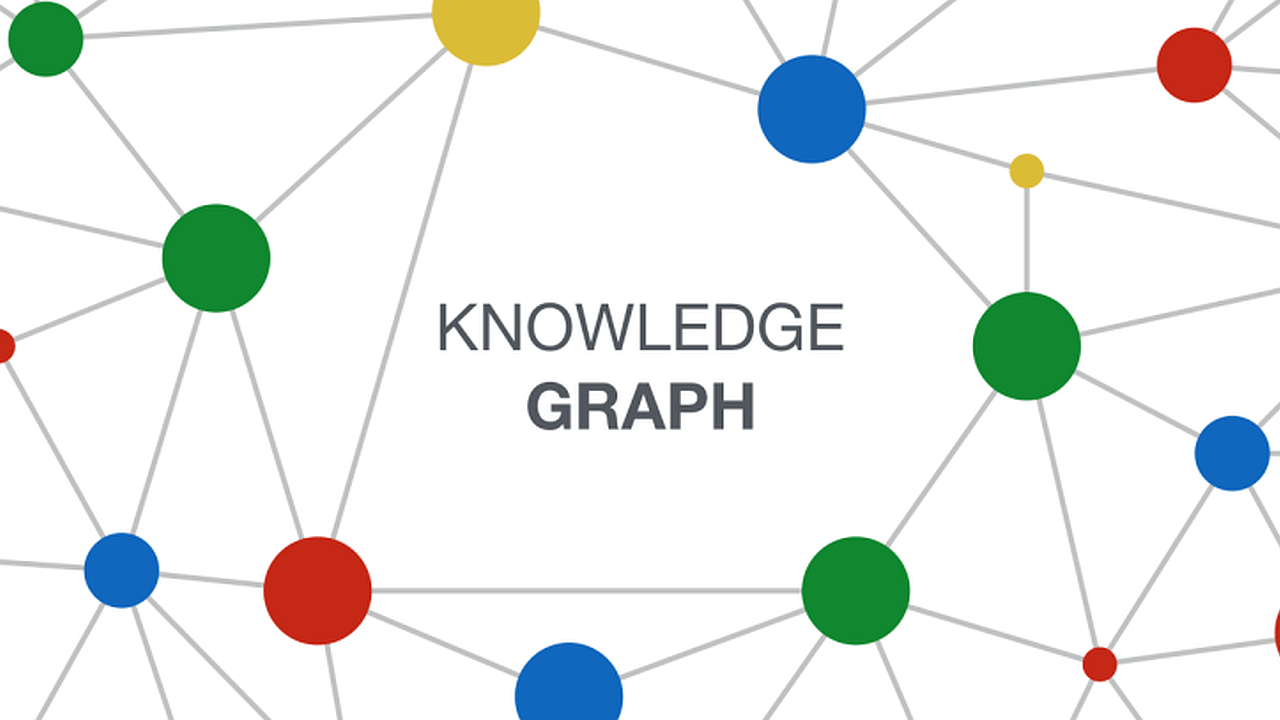
This is where mind mapping tools—like those offered by mindmaps.com—play a transformational role. By visually mapping the links between concepts, teams, and business units, mind mapping software translates chaotic brainstorming into organized, dynamic knowledge graphs. Instead of facing an endless scroll of spreadsheets or static documents, leaders gain a living, interactive visual map to spot gaps, redundancies, and opportunities at a glance.
For example, a product launch team using online mind mapping can connect user insights, marketing assets, risk points, and timelines in a single visual dashboard. This not only boosts comprehension but fosters alignment across departments—reducing costly rework and missed deadlines.
Interactive digital mind maps also power discovery; they encourage users to break down complex challenges into bite-size components and highlight connections that might otherwise go unnoticed. When businesses leverage collaborative mind maps, they build a shared, evolving architecture of knowledge—one that supports faster onboarding, informed meetings, and agile strategy pivots.
Productivity Enhancement
The impact of mindmaps.com goes far beyond sketching ideas. As a full-fledged productivity tool, its suite of mind mapping tools is engineered for enterprise-scale project planning, priority-setting, and execution. Let’s dive into what sets it apart:
- Visual project dashboards: Project managers use mindmaps.com to visually map deliverables, dependencies, and deadlines, replacing static Gantt charts with interactive digital mind maps. Adjustments—such as shifting priorities or resource reallocation—are a simple drag-and-drop away, keeping team efforts nimble and aligned with business realities.
- Objective clarity and accountability: With clear objectives connected to milestones, team members always see their “why”—increasing engagement by up to 20% according to a study by Gallup. Everyone knows what’s expected, how it links to strategy, and where to find supporting documents and data.
- Actionable, collaborative workflows: Digital mind mapping transforms brainstorming into action lists and real-time priorities. With collaborative mind maps, teams co-create plans, update statuses, attach critical files, and flag blockers as they arise—reducing project slippage and boosting cross-functional transparency.
For thousands of leaders, the shift to online mind mapping and collaborative visual tools has resulted in documented productivity gains—some organizations reporting up to 30% faster execution cycles and 40% fewer project misunderstandings (Mindmapping.com, 2023).
To amplify structured thinking and productivity, tools like mindmaps.com can be paired with integrated solutions that unify knowledge and automate project workflows. That’s precisely where Weeki’s combined software and tailored modeling/automation services step in. Weeki centralizes all your company’s data and unstructured information—no matter the source—into an interactive, visual map linked by ontologies. Whether your focus is literature review, knowledge portal creation, or AI-powered deliverables automation, Weeki ensures knowledge stays connected to business objectives—secure, accessible, and ready to fuel every decision. For complex enterprises, that’s a competitive edge you can measure in real outcomes.
Exploring Mental Models
Connection to Mind Mapping Methodologies
Have you ever faced a strategic decision involving cross-functional teams, vast amounts of data, and a deadline looming over you? Many C-level leaders and managers find that traditional approaches—static spreadsheets, disconnected documents, or text-heavy reports—rarely tell the whole story. This is where mental models, combined with robust mind mapping tools, offer a distinct advantage.
Mental models are conceptual frameworks that help executives and their teams cut through complexity, reveal relationships, and speed up decision-making. When paired with mind mapping methodologies, these models shift abstract thinking into clear, actionable visualizations—making the invisible visible. According to a McKinsey study, organizations that invest in structured decision-making frameworks can improve consensus-building and execution speed by up to 33%.
mindmaps.com stands out in this space. Its advanced online diagramming tools enable users to transform sprawling business problems into intuitive digital mind maps. For instance, an enterprise rolling out a new product line can use mindmaps.com to visually map the competitive landscape, customer segments, internal resource allocations, and potential roadblocks in a single, interconnected workspace. Thanks to integrations with popular productivity tools and data sources, decision-makers can centralize key documents, import live data (from CSVs, PDFs, internal databases), and link everything within an interactive knowledge map. This visual ecosystem helps stakeholders spot dependencies, uncover bottlenecks, and understand the big picture at a glance.
Such an approach aligns perfectly with the knowledge structuring philosophy of solutions like Weeki. Weeki, for example, offers both a SaaS platform and tailored automation/modeling services, designed to turn documentary chaos into an organized, dynamic, and AI-powered knowledge base. The synergy between the intuitive mind mapping capabilities of mindmaps.com and the structured, ontology-driven modeling offered by Weeki empowers leaders to move from insight to action—faster, and with better outcomes.
Creativity Fostering Techniques
Unlocking innovation is about more than just analyzing data; it’s about fostering a space where creative thinking techniques can flourish. Online mind mapping, especially in today’s remote or hybrid work environments, is recognized as a catalyst for creative ideation. In fact, a recent study published in the Creativity Research Journal found that groups using visual thinking tools like digital mind maps generated up to 25% more original ideas than those using linear note-taking methods.
mindmaps.com provides a collaborative canvas where teams can capture ideas in real-time and rapidly iterate on complex challenges. Picture a scenario where a team is brainstorming a new customer journey: each participant adds insights, challenges, and ideas into the mind map, creating living clusters of thought that evolve as the discussion unfolds. This instant visualization breaks down creative roadblocks and encourages participation from all members, not just the most vocal. Structured clustering and free-form association—both supported by mindmaps.com—help teams explore topics from multiple perspectives, leading to solutions that are robust and innovative.
Furthermore, psychological safety is integral to creative breakthroughs. When team members see their input valued and visually mapped, they’re more willing to take risks and propose novel concepts. For enterprises striving for a competitive edge, this collaborative creativity—supported by online mind mapping tools and software—translates directly to tangible business results.
Bringing in a solution like Weeki supercharges this process. By merging software and custom automation/modeling services, Weeki helps you not only structure creative output but also amplify it with AI-powered analytics. Whether you’re generating a strategy document, automating deliverables, or building a living knowledge base, Weeki ensures your organization moves seamlessly from idea generation to measurable impact. For leaders looking to turn creativity into scalable value, this is where mind mapping, structured knowledge management, and advanced SaaS solutions intersect to transform how your enterprise approaches innovation.
Common Inquiries About Mindmaps.com
Digital vs. Traditional Mind Mapping
For C-level leaders evaluating the effectiveness of mind mapping tools, a pivotal question arises: Does using digital mind maps—like those offered by mindmaps.com—truly outperform classic pen-and-paper methods? The answer increasingly leans toward digital, especially in enterprise settings where agility, collaboration, and scalability are non-negotiable.
Digital mind mapping with mindmaps.com brings powerful advantages. While traditional sketches may seem tangible and familiar, they fall short in dynamic environments where teams need to rapidly iterate on complex structures. Key features of online mind mapping platforms—such as drag-and-drop organization, unlimited branching, and real-time editing—mean leaders and teams can build, reorganize, and expand their mental models instantly, with no risk of lost revisions or inaccessible information. In fact, according to a 2023 survey by the Mind Mapping Software Blog, 77% of professionals reported a marked boost in productivity and clarity when switching from paper to digital mind mapping tools.
But the real transformation is collaborative. Where traditional mind maps are fixed on a page, digital solutions empower distributed teams to co-create, update, and comment on diagrams from anywhere. For example, mindmaps.com offers seamless cloud-sync across devices, secure sharing, and version history—making it perfect for project planning, structured thinking, and rapid brainstorming sessions. During a recent global product launch, one Fortune 500 client used mindmaps.com to align 12 teams across 4 continents, reporting a 60% reduction in idea loss and a 35% faster decision-making cycle.
By leveraging digital mind mapping software like mindmaps.com, organizations benefit from advanced visual thinking features, interactive concept mapping, and tools for idea visualization. In practice: fast reorganization, integrated templates for project planning, and the ability to embed links, files, or data directly into nodes—so mind maps become living documents that fuel business intelligence. The result? Fewer information silos, stronger collective insight, and measurable productivity gains.
Subscription Models and Support Resources
A frequent concern among enterprise users is finding a mind mapping solution that grows with their needs. Mindmaps.com addresses this with a range of subscription options—designed for both individuals experimenting with creative thinking techniques and organizations running large-scale collaborative mind maps. Flexible tiers provide access to core mind mapping software and unlock premium features such as advanced diagramming tools, integrations with productivity suites, and priority support. As your mind mapping strategy evolves, you can scale functionality and team size without disruption.
Of course, true value goes far beyond software licenses—support resources are fundamental. Mindmaps.com distinguishes itself with hands-on onboarding, live technical assistance, and in-depth tutorials on everything from visual thinking to project-based brainstorming techniques. Enterprise subscribers benefit from dedicated success managers who guide best practices for structuring and visualizing knowledge, as well as libraries of templates for concept mapping and structured thinking. Assistance is designed for speed—90% of enterprise tickets are resolved within one business day, ensuring teams never lose momentum.
For organizations seeking tailored solutions—such as integrating mind mapping within broader digital transformation or knowledge management initiatives—specialized partners like Weeki bridge the gap. Weeki combines advanced SaaS with bespoke services, ranging from custom onboarding and ontology-driven knowledge bases to complex integrations and automations. For example, by leveraging Weeki’s “Knowledge Portal & Ontologies” solution, businesses can centralize all content (documents, mind maps, databases) within an interactive knowledge map. This approach trims search time by up to 50% and boosts information accuracy, directly enhancing mind mapping workflows and data-driven decision-making.
Whether you’re transitioning from manual to digital or seeking extensible support and integration, mindmaps.com empowers business leaders with the technology, resources, and strategic clarity to consistently drive results. And when advanced automation, analytics, or compliance are critical, Weeki offers a tailored path—centralizing your enterprise knowledge base and transforming mind mapping from a one-off exercise into an engine of productivity and innovation.