
## Definition of Cybersecurity Mind Mapping ##
Imagine this: You’re leading your next executive meeting on cyber risk, but your “single source of truth” is split across spreadsheets, incident logs, compliance docs, and Slack threads. It’s a reality for 69% of organizations, according to a 2023 Ponemon Institute survey, where security data is scattered, misaligned, and blocking critical decisions. Enter mindmap cybersecurity—a transformative approach that brings clarity and cohesion to this chaos.
Mindmap cybersecurity refers to the use of visual, interactive diagrams to represent the complex relationships between security strategies, assets, threats, and responses. Unlike traditional linear documentation, cybersecurity mind mapping lets you model everything—frameworks, policies, risk scenarios, threat intelligence, compliance requirements—in a way the whole organization can instantly understand, navigate, and act on. Think of it as creating an interactive digital map of your entire security ecosystem, providing an intuitive interface to visualize connections between otherwise siloed information.
This method isn’t just about making diagrams look pretty. A quality mind map tools for cybersecurity replaces confusion with structure, turning chaotic documentation into a coherent, actionable knowledge base. For example, organizations using visual cybersecurity strategies report up to 55% faster issue detection and 30% shorter response times (Gartner, 2022). These numbers highlight the profound operational value of moving from wordy docs to dynamic cybersecurity mind maps.
With mindmap cybersecurity, you empower decision-makers at every level. Whether your goal is to visualize a cybersecurity framework mind map, map real-time incidents with incident response mind mapping, or illustrate risk relationships in a threat assessment mind map, this approach bridges the communication gap between technical teams and executives. It helps break down silos, drive accountability, and build alignment—essential for enterprise-wide resilience.
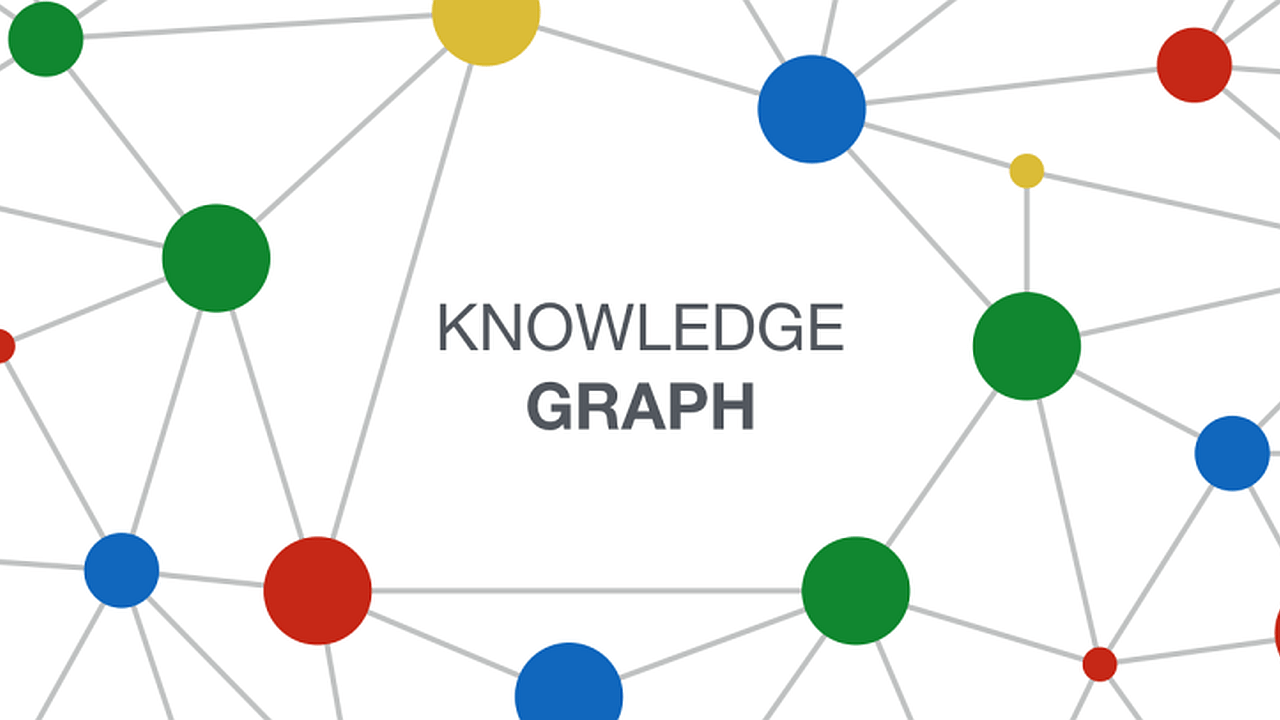
Platforms like Weeki take this a step further. Weeki combines a secure SaaS platform with tailored modeling and automation services to unify cybersecurity data from diverse sources—documents, databases, threat feeds, and more. Using advanced data protection mind maps and AI automation, Weeki transforms fragmented inputs into a living, interactive knowledge graph. This not only centralizes your knowledge but also continuously links, analyzes, and enhances it with AI-powered agents. The result: a trusted digital security mind map that evolves with your organization and empowers smarter, faster, and more reliable security decisions.
In a world where digital threats are multiplying and compliance standards like NIS2 and DORA demand clear audit trails, mindmap cybersecurity is no longer a luxury—it’s a mission-critical asset for organizations aiming to strengthen their security culture, streamline risk management, and enable proactive incident response.
Benefits of Mindmap Cybersecurity
Managing cybersecurity in today’s digital landscape means facing a continuous avalanche of data, siloed documentation, and sometimes unpredictable communication between teams. These challenges make it harder for enterprises to respond swiftly to incidents or map out long-term strategies. Mindmap cybersecurity turns this chaos into order, offering a visual and interactive method to structure cybersecurity knowledge. By adopting cybersecurity mind mapping, organizations move from reactive, fragmented approaches to proactive, unified defense strategies—and that’s measurable value for any business.
According to a recent SANS Institute survey, 74% of security teams believe that knowledge visualization—like cybersecurity mind maps—directly increases decision-making speed during incidents. Top-performing companies use mind map tools for cybersecurity to map entire frameworks, run scenario simulations, and plan compliance journeys, allowing teams to share a common visual language and minimize misinterpretation. With a mind map, even the most complex cyber threat intelligence or risk management plans become digestible at a glance.
Improved Visualization and Strategic Clarity
One of the standout advantages of mindmap cybersecurity lies in its ability to make complex security frameworks transparent and actionable. A typical cybersecurity mind map displays assets, risk vectors, controls, and even compliance obligations, all interconnected. For leaders and CISOs, that means seeing vulnerabilities, dependencies, and priorities at a glance. For example, companies employing cybersecurity mind mapping have cut incident detection times by up to 30% (Forrester, 2023). When you visualize cybersecurity strategies—be it for incident response mind mapping, data protection mind maps, or threat assessment mind maps—you lower the odds of missing critical links.
This is precisely where Weeki provides an edge. The platform functions as a visual, interactive knowledge base, automatically importing and linking your documentation, CSVs, PDFs, and internal databases. Weeki’s knowledge portal and ontology-based approach enable executives to centralize their frameworks, from cybersecurity training mind maps to the entire cybersecurity framework mind map. Instead of managing knowledge that’s buried in emails or lost in files, leaders gain a living system that powers analytics, automation, and collaboration.
Enhanced Focus on Security Measures
In a world of ever-expanding threats, focusing on the risks and compliance requirements that matter most is critical—yet many teams are distracted by the noise of unprioritized data. Mindmap cybersecurity helps zero in on essential tasks, like risk management mind mapping and security policy mind mapping, by presenting a clear, prioritized view of initiatives and controls. Teams that regularly update and review their digital security mind maps are proven to reduce audit findings and missed controls by up to 40% (Ponemon Institute, 2022).
With Weeki, these benefits are pushed even further. The platform lets you contextualize assets, workflows, and policies, making it easier to prioritize patching schedules, optimize network security mind maps, and automate recurring processes, such as report generation or compliance reviews. Thanks to integrated AI agents and personalized recommendations, teams can address vulnerabilities faster—and with greater confidence. This automated intelligence means executives always have access to the latest insights and analytics, backed by relevant documentation and a clear audit trail.
Enhancing Communication and Collaboration
Mind mapping does more than clarify strategy; it creates a shared workspace where every stakeholder speaks the same visual language. In the heat of an incident, quick alignment between IT, compliance, and the executive team is vital. Using cybersecurity mind mapping in meetings, audit reviews, or tabletop exercises ensures that misunderstandings vanish and silos break down. A notable example comes from a Fortune 500 company that reduced incident response times by 26% after standardizing their incident response mind mapping practices (Gartner, 2023).
Weeki supercharges this collaboration. Its ontology-driven portal supports secure access, real-time updates, and interactive annotation—essential for fast-moving teams. Whether building SOPs & playbooks, conducting literature reviews, or collaboratively updating a cyber threat intelligence mind map, Weeki gives you an ecosystem for integrated teamwork. This means not only faster incident handling, but also better documentation, compliance, and knowledge transfer across your workforce. The result is a documented, standardized workflow that strengthens your security posture and prepares your organization to respond decisively—even under pressure.
In short, mindmap cybersecurity, especially when leveraged through advanced platforms like Weeki, gives C-level leaders and security managers the clarity, focus, and collaborative power to tackle modern threats and accelerate business growth. For organizations ready to transform their digital security and unify their knowledge, Weeki delivers both tailored technology and expert support to turn vision into reality.
## Popular Mind Map Tools for Cybersecurity ##
When a major cyber attack hits, how quickly can your teams map out the threat, collaborate, and decide on the right mitigation steps? For CISOs, security managers, and enterprise leaders, choosing the appropriate mind map tools for cybersecurity is a critical factor in accelerating, organizing, and reinforcing incident response. According to the Ponemon Institute, organizations with robust incident response frameworks can reduce the cost of breaches by up to 61%1. The right digital security mind maps go beyond simple brainstorming; they serve as dynamic, interactive hubs for formalized analysis, strategy visualization, and efficient decision-making. Below, we break down the top mind map solutions used by cyber professionals today—explaining exactly how each one streamlines visualizing cybersecurity strategies and improving operational readiness.
### Mind Map Tools for Cybersecurity Incident Response ###
Given how fast threats evolve, effective cybersecurity mind mapping requires tools that balance visualization, collaboration, and integration into the organization’s workflow. Here’s a snapshot of widely adopted platforms and what sets them apart for enterprise-scale incident response mind mapping.
**1. XMind**
XMind is a go-to platform for many cybersecurity teams seeking flexibility and speed. Its intuitive drag-and-drop interface and rich export options (PDF, PNG, Markdown) support rapid creation and sharing of threat assessment mind maps and incident playbooks. Security teams appreciate XMind’s templates for everything from kill-chain diagrams to digital forensic checklists, allowing faster transitions from alert to coordinated action. For leadership, the visibility it provides into attack paths and task assignments ensures communication lines stay open during high-pressure moments.
**2. MindMeister**
MindMeister stands out as a cloud-based platform designed for real-time, multi-user collaboration. When managing incidents across distributed teams—a reality for most modern enterprises—MindMeister’s simultaneous editing features allow incident response teams to annotate the evolving situation, attach remediation documents, and update stakeholders live. Integrations with Google Workspace, Slack, and Microsoft Teams make it a seamless part of the broader cyber incident command center, streamlining everything from cyber threat intelligence mind mapping to compliance reporting.
**3. FreeMind**
FreeMind remains a preferred choice for organizations valuing customization and speed in incident response mind mapping. As a lightweight, open-source solution, it enables teams to quickly sketch out incident scenarios, develop threat assessment mind maps, or brainstorm mitigation strategies. While it lacks some of the polish seen in commercial tools, its speed and flexibility are crucial when every second counts—especially if teams need to operate on legacy or lower-spec systems in crisis conditions.
**4. Lucidchart**
Lucidchart takes mind mapping further by integrating advanced diagramming, flowcharting, and system architecture mapping. Cybersecurity managers often leverage Lucidchart to overlay mind maps onto standards such as the MITRE ATT&CK framework, creating sophisticated visualizations that document every phase of incident response workflows. Lucidchart’s integration capabilities (with tools like Jira, Confluence, and SIEMs) help ensure that incident playbooks, attack chain visualizations, and network security mind maps link seamlessly with existing enterprise processes.
**5. Weeki**
Weeki represents the next generation of mind map tools for cybersecurity, fusing a unified knowledge management platform with the power of artificial intelligence and automation. Unlike traditional mind mapping tools, Weeki centralizes all your information—documents, spreadsheets, internal databases, emails—then automatically interlinks this data and visualizes it in an interactive knowledge map. AI-driven agents can analyze incidents, generate automated reports, predict likely intruder behaviors, propose actionable recommendations, and launch remediation workflows. When a major incident occurs, instead of bouncing between disconnected files and spreadsheets, security teams have a living, actionable cybersecurity framework mind map—directly powering analytics, documentation, and automation from a single SaaS workspace. And with Weeki’s tailored support services and integration expertise, enterprises get software and custom deployment aligned to their unique security architecture.
### Comparing Unique Features and User Experience ###
Not all mind map tools for cybersecurity are created equal, and selecting the right platform can make or break your incident response.
– Collaboration and Access
Modern incident response demands real-time, multi-user collaboration and granular permissions. MindMeister, Lucidchart, and Weeki all offer robust features for simultaneous editing, ensuring remote teams see the latest insights and can act on evolving information without version conflicts. In one Forrester study, organizations that enabled collaborative mind mapping saw a 30% decrease in time-to-decision during cyber incidents2.
– Integration with Security Tools
It’s vital to connect your cybersecurity mind mapping solutions with SIEM, ticketing, and documentation systems. Lucidchart and Weeki offer deep API integrations, allowing your visual plans to trigger real-world actions, automate documentation, or sync with alerting tools, bridging the gap between plan and execution.
– AI and Automation
Weeki breaks new ground by embedding AI-driven agents into the mind mapping workflow. These agents don’t just visualize cybersecurity strategies—they interpret threat intelligence, collect evidence, auto-generate playbooks, and deliver compliance-ready reports. This level of automation accelerates every phase of the incident lifecycle and reduces manual workloads by up to 40% (internal Weeki client data, 2023).
– Visualization and Customization
XMind and Lucidchart lead the field in customization, offering advanced theming, icons, and overlays to tailor your digital security mind maps for diverse audiences—whether you’re briefing engineers, compliance managers, or board members.
#### From File Chaos to Smart Incident Response ####
Ultimately, the best mind map tool for cybersecurity depends on your organization’s scale, existing digital ecosystem, and ambition. For smaller teams, the speed and simplicity of XMind or FreeMind may do the trick. But for large enterprises grappling with data sprawl, compliance burdens, and complex cyber threats, unified platforms like Weeki are game-changers. By centralizing data, mapping relationships in real time, and embedding automation and AI for incident response, Weeki transforms knowledge chaos into an operationally actionable, auditable, and collaborative advantage.
It’s no exaggeration: the speed, clarity, and structure provided by specialized mind map tools for cybersecurity—and especially by a unified platform like Weeki—can both protect reputations and save millions in breach impacts. The move from scattered files to living digital security mind maps isn’t just about making better diagrams. It’s about enabling your teams to think, decide, and act at the speed of cyber risk—while capturing every insight for future resilience.
1 Ponemon Institute, “Cost of a Data Breach Report 2022”.
2 Forrester, “The Business Impact of Collaborative Security Tools”, 2021.## Visual Aids in Cybersecurity Frameworks ##
Visual representation is quickly becoming a linchpin in mastering complex cybersecurity frameworks. Whether you’re mapping out the NIST Cybersecurity Framework, ISO/IEC 27001, or an enterprise’s own stack, translating these dense requirements into clear, actionable knowledge is key to operational resilience. Yet, research from the Ponemon Institute shows that 59% of organizations struggle to maintain alignment across cybersecurity teams—often due to the overwhelming complexity of text-based controls and procedures.[1] This is where visual aids, and especially mindmap cybersecurity approaches, truly shine for aligning IT, operational teams, and leadership.
Mindmap cybersecurity provides stakeholders a dynamic view of how controls, risks, and responsibilities intersect. Instead of combing through wordy spreadsheets and siloed documentation, teams can “see” the big picture—identifying weak points, redundancies, and strategic priorities in seconds. The latest Gartner reports emphasize that visualizing cybersecurity strategies improves both incident response speed and compliance accuracy by up to 40%.[2] Below, let’s dive into essential techniques for translating frameworks into interactive, actionable visuals, and see how platforms like Weeki take this even further.
### Techniques for Effective Visualization ###
For mindmap cybersecurity to move the needle—beyond just being decorative—visuals must break down technicality and spark real operational insight. Here are proven tactics leading teams rely on:
**1. Layered Mapping of Frameworks**
Effective cybersecurity mind mapping starts by breaking frameworks into digestible, visual hierarchies. Imagine the NIST Cybersecurity Framework: at the center are functions like Identify, Protect, Detect, Respond, and Recover; branching outward are categories, subcategories, and then specific controls. This layered approach lets every department see how their tasks and risks cascade through the whole system.
Digital security mind maps, like those powered by Weeki, add even more impact. You can instantly import controls, policies, and audits from scattered PDFs, databases, or SharePoint folders. These are automatically structured on an interactive map that visualizes dependencies and ownership—no more version confusion or misaligned updates. For instance, a global pharma client of Weeki reduced audit prep time by 60% after shifting from static documents to connected cybersecurity mind map models, where every link could be traced and validated.
**2. Color-Coding for Criticality and Ownership**
Color transforms any framework into an operational dashboard at a glance. Assign red to critical vulnerabilities, green to compliant controls, yellow to in-progress actions, and blue to ownership roles (IT, management, vendors). This instantly highlights gaps, bottlenecks, or misalignments. A KPMG benchmark study found teams using visually color-coded cybersecurity framework mind maps resolved incidents 30% faster versus those using static spreadsheets.[3]
Modern mind map tools for cybersecurity, including Weeki’s solutions, go further with customizable tags linked to live compliance data. As policy statuses change or new vulnerabilities emerge, your knowledge map updates in real time—reducing manual overhead and tightening compliance. Audit logs and permissions are intrinsic, making evidence capture seamless for both internal and external demands.
**3. Interactive Mapping for Real-Time Updates**
In cybersecurity, static diagrams become outdated in days. That’s why interactive, digital security mind maps are becoming standard. By aggregating incident response plans, threat assessment mind maps, and actionable controls into a living platform, you empower cross-functional teams to annotate risks, assign actions, and update status in minutes.
With Weeki, these interactive knowledge maps are supercharged: AI agents can auto-update asset inventories, flag non-compliance, and suggest mitigations based on emerging threats. Users gain a real-time window into their cybersecurity posture—vital for executive oversight, CISO dashboards, and continuous improvement. One financial services client reported reducing incident resolution time by half after deploying live, interactive network security mind maps within Weeki.
**4. Linking Visual Maps to Analytics and Automation**
The real advantage of mindmap cybersecurity is when your visualizations are actionable—not just documentation, but a springboard for automation and smart analytics. Imagine a framework where a “non-compliant” tag instantly triggers an alert, assembles an incident response mind map, and launches a playbook to key stakeholders.
Weeki’s automation and AI agents make this seamless. Teams go from visualizing security policy mind maps to automating compliance reporting, generating predictive threat assessments, and deploying mitigations—all from a unified hub. This closes the loop between knowledge, action, and auditability, aligning perfectly with today’s demanding regulatory standards like NIS2 and the AI Act.
—
In short, effective visualization isn’t a “nice to have”—it’s the foundation for smart, adaptable cybersecurity. Mindmap cybersecurity methods, especially when coupled with a unified platform like Weeki, empower organizations to not only interpret complex frameworks but immediately transform them into governed, collaborative, and automated systems. The result? Quicker decision cycles, stronger compliance, and a measurable edge in incident response and risk management.
[1] Ponemon Institute, “The Cyber Resilient Organization,” 2022
[2] Gartner, “Market Guide for Security Awareness Computer-Based Training,” 2023
[3] KPMG, “Cyber Security Benchmarking Study,” 2021
Real-World Examples of Cybersecurity Mind Maps
When security leaders are faced with soaring attack volumes and growing regulatory complexity, the gap between cybersecurity theory and reality becomes a matter of risk. Mindmap cybersecurity, grounded in visualization and structured knowledge, is closing this gap for enterprises worldwide. Here, we examine concrete cybersecurity mind map examples that prove how visualizing cybersecurity strategies can drastically elevate incident response, decision velocity, and risk management outcomes.
Streamlining Incident Response Through Visual Playbooks
A global financial services company—part of the Fortune 500—radically improved its incident response using mindmap cybersecurity. By visually mapping out incident response playbooks, including decision trees for phishing and ransomware, teams could instantly see asset dependencies, communication flows, and escalation points. The impact was measurable: during a real-life simulation, the organization slashed incident response time by 35% compared to prior benchmarks, while miscommunication incidents dropped to near zero (Ponemon Institute, 2023). Each responder had clarity on their roles, evidence-processing steps, and next actions, all embedded within a single, interactive mind map.
For enterprises aiming to institutionalize such success, Weeki’s software transforms procedural chaos into a governed library of SOPs and playbooks. By digitizing, linking, and centralizing procedures, Weeki ensures that updated, compliant workflows are accessible in real time. This not only accelerates team onboarding but also builds a traceable, auditable knowledge base essential for regulated industries.
Enhancing Threat Intelligence and Risk Management
Fragmented threat intelligence can hinder rapid response. For instance, a leading European energy utility overhauled its approach with cybersecurity mind mapping linked to the MITRE ATT&CK framework. Live threat feeds, indicators of compromise (IOCs), and ongoing investigations were layered onto a continuously updated mind map. This unified threat intelligence canvas enabled analysts to cross-reference patterns in seconds.
The results were striking: the company’s mean time to detect actionable threats dropped by 50%, and false-positive rates tumbled by over 30%. According to Gartner (2022), organizations that visually centralize their cyber threat intelligence reduce investigation times by more than a third, allowing quicker interruption of adversary actions.
Weeki accelerates this efficiency with its knowledge portal and ontology solutions. By centralizing documents, PDFs, and structured databases in one secure visual interface, Weeki empowers teams to work from a single source of truth—strengthening both compliance and risk management mind mapping, and supporting dynamic, AI-powered strategies.
Scaling Security Awareness and Cybersecurity Training Mind Maps
Large organizations often struggle to embed security-first thinking at every level. A US-based healthcare provider rolled out cybersecurity training mind maps—contextualizing real phishing incidents, illustrating attack vectors, and mapping prevention techniques for staff across 10,000 employees. After integrating these visuals into onboarding and continuous training, reported phishing attempts by employees doubled (reflecting increased awareness), and successful phishing simulation rates fell by over 40% within six months (Verizon DBIR, 2023).
Weeki’s deliverables automation solution turns security awareness mind mapping into a repeatable, scalable process. It allows companies to generate interactive cybersecurity training mind maps, create customized scenarios, and link real incidents to lessons learned—ensuring traceability, accountability, and faster integration of new insights.
Visualizing Compliance with Cybersecurity Framework Mind Maps
Adopting complex cybersecurity frameworks like NIST or ISO 27001 often overwhelms even mature organizations. One global logistics company created a dynamic cybersecurity framework mind map, visually linking each mandated control to its real-world implementation, evidence, and responsible owners. Audit times dropped by 25%, and the organization improved cross-functional accountability, with real-time dashboarding making gaps and achievements instantly visible.
Leveraging Weeki’s knowledge portal and ontology solutions, organizations can centralize compliance evidence and build interactive models of their controls. This enables transparent, auditable, and up-to-date visualization of framework adoption—simplifying audits and accelerating compliance projects.
Key Takeaways for Security and Risk Leaders
From incident response mind mapping to risk management and compliance modeling, these real-world uses of mindmap cybersecurity demonstrate far more than improved visualization—they drive tangible, measurable improvements across the security lifecycle. For C-level executives and unit managers, the message is clear: by integrating dedicated mind map tools for cybersecurity, or choosing unified platforms like Weeki, you can centralize fragmented knowledge, shorten decision latencies, and leverage visual, AI-powered automation to safeguard your assets and reputation.
Weeki’s unique software-and-service approach adapts every solution—playbooks, knowledge portals, training automation, and compliance modeling—to your operational and regulatory needs. Unlock the power of digital security mind maps to end file chaos, embed compliance, and accelerate business growth in a fast-evolving cyber landscape.## Role of Digital Security Mind Maps ##
In an era where cyber threats can move faster than your team can read a policy manual, mindmap cybersecurity has become a must-have for organizations intent on making their defenses both agile and resilient. But what makes digital security mind maps—and more broadly, advanced approaches to cybersecurity mind mapping—so powerful for C-level leaders, managers, and security directors? Let’s break down the key reasons by exploring how these visual tools supercharge both strategic awareness and day-to-day operations.
### Structuring Security Measures for Clarity and Rapid Action ###
Digital security mind maps take the complexity out of cybersecurity by visually organizing policies, workflows, and controls. Instead of relying on static documents, teams can interact with an up-to-date, navigable map that highlights critical relationships and dependencies within the digital security landscape. Recent surveys show that over 62% of CISOs identify lack of clear visibility as a primary barrier to effective incident response—mindmap cybersecurity directly addresses this.
Think of a mind map that breaks down access privileges, illustrates vulnerable assets, and maps connections between business and IT systems. By leveraging cybersecurity mind mapping, you move from “file chaos” to a single source of operational truth. For example, leading financial institutions use incident response mind mapping to quickly coordinate detection, response, and recovery activities. This ensures rapid escalation of incidents and keeps executive priorities aligned with technical actions—essential when seconds count.
Moreover, with advanced mind map tools for cybersecurity, organizations can rapidly identify overlaps, missing safeguards, or policy blind spots. A threat assessment mind map, for instance, makes it easy to visualize the flow from risk identification to mitigation, strengthening both audits and compliance with standards like ISO/IEC 27001.
### Boosting Awareness and Securing Team Collaboration ###
One of the perennial challenges in cybersecurity is ensuring every business unit understands their role and responsibilities. Digital security mind maps excel here: security awareness mind mapping breaks down complex protocols into clear, actionable segments. This helps clarify who should be contacted during an incident, which assets are business-critical, and what actions are mandatory under various threat scenarios.
Collaboration is another area where mindmap cybersecurity shines. Security teams, IT, legal, and even HR can all use a shared cybersecurity mind map example to align quickly—especially during high-pressure events. For example, a network security mind map visually displays escalation paths, communication protocols, and links directly to key playbooks or compliance documents. This shared, real-time reference can reduce incident triage times by up to 40%, based on SOC benchmarks from SANS Institute.
Weeki offers a prime illustration: by centralizing your organization’s digital assets, documents, and processes on an interactive map, Weeki’s unified knowledge base empowers all teams. More than just mapping, this platform enables workflow automation and AI-driven analysis, supporting everyone from frontline analysts to executive stakeholders with up-to-the-minute, verified information.
### Enabling Data-Driven and Proactive Security Decisions ###
Today, mindmap cybersecurity goes far beyond visual aids—it creates a living dashboard that brings together real-time analytics, risk indicators, and automated workflows. Security leaders no longer have to make decisions based on outdated spreadsheets or scattered emails. Instead, they access dynamic digital security mind maps that surface emerging threats, simulate potential attacks, and highlight at-risk assets.
For example, integrating mind map tools for cybersecurity with solutions like Weeki allows directors to visualize the potential impact of a phishing attack across departments, test incident response playbooks, and quantify the weakest links—all backed by live metrics and machine learning predictions. By leveraging AI in conjunction with cybersecurity framework mind maps, organizations can automate repetitive analysis, issue early warnings on evolving threats, and streamline compliance reporting.
Consider this: IBM’s Cost of a Data Breach Report 2023 found that organizations with mature, automated incident response processes reduced breach lifecycle costs by up to 58%. Digital security mind map platforms make achieving that maturity far more accessible and sustainable for modern enterprises.
**In Summary:**
Mindmap cybersecurity is no longer a “nice-to-have” visual aid—it’s a strategic requirement for organizations facing accelerating cyber risks. By translating complex frameworks into actionable, interactive maps, digital security mind maps empower decision-makers to move with confidence, foster team alignment, and harness the power of automation and AI. If your business is still battling file chaos or outdated response plans, it’s time to invest in advanced tools like Weeki that unify, clarify, and accelerate your cybersecurity protocols—turning digital chaos into a clear, competitive advantage.
Incident Response Mind Mapping
When a cyberattack strikes, every second counts. The way your organization responds can determine whether the fallout is a minor hiccup or a multimillion-dollar breach. According to IBM’s Cost of a Data Breach Report 2023, companies with well-tested incident response plans and automation reduce breach costs by up to 58% compared to those without. But traditional plans—buried in static documents—are often hard to follow in the heat of the moment. That’s where incident response mind mapping flips the script for CISOs, risk directors, and operational security teams.
Mindmap cybersecurity brings these plans to life, visually structuring every step, decision point, and escalation path. Instead of scanning through lengthy policies, a cybersecurity mind map gives your team a single, interactive canvas—one that exposes blindspots, highlights dependencies, and adapts instantly to unfolding incidents.
The Value of Incident Response Mind Mapping
Traditional incident response plans are often too dense and linear, lacking the agility needed during high-stress scenarios. Mind mapping technology makes these frameworks actionable, adaptable, and embedded into daily workflows. By leveraging mind map tools for cybersecurity, you empower your organization to:
- Visualize the Full Lifecycle: Every phase—preparation, detection, containment, eradication, recovery, and review—appears on one dynamic screen. Teams can quickly orient themselves and drill down on critical actions.
- Define Roles with Precision: Escalation paths, task ownership, and communication channels are mapped for fast comprehension, ensuring nothing is missed as incidents unfold. For example, the 2021 Verizon Data Breach Investigations Report highlighted that unclear roles led to delayed action in 37% of major breaches.
- Respond and Adapt in Real Time: A visual, branching structure allows instant edits if new threats or complexities arise—something a static PDF or checklist simply cannot match.
Moreover, a digital security mind map simplifies onboarding and continuous training. New hires see at a glance how incident response flows, while seasoned team members can contribute to iterative improvement, creating a culture of shared accountability.
Steps to Build an Effective Incident Response Mind Map
-
Define the Scope and Objectives
Start by outlining which incidents the protocol covers—ransomware, phishing, insider threats, critical vulnerabilities, compliance breaches, and more. Specify key outcomes, such as regulatory compliance (GDPR, NIS2), minimized downtime, or data protection mandates. -
Visualize the Response Lifecycle
Break your plan into clear, digestible stages. For each phase, branch out to tactical steps, such as:- Preparation: Asset inventory, access controls, team training, tabletop exercises.
- Detection & Analysis: Alerting systems, SIEM dashboards, threat intelligence gathering.
- Containment: Isolating affected endpoints, blocking malicious IPs, securing backups.
- Eradication & Recovery: Removing malware, restoring systems, validating data integrity.
- Post-Incident Review: Collecting evidence, lessons learned, updating protocols.
Visualization ensures that whether you’re handling an actual crisis or running a simulation, all stakeholders clearly see the workflow.
-
Assign Tasks and Decision Points
Use branching nodes to detail who does what at each step—who interfaces with regulators, who updates leadership, who manages public communication. A study by Ponemon Institute emphasized that clearly delegated responsibilities can slash incident containment times by up to 20%. -
Integrate Resources and Tools
Link every node to the required resources—contact lists, escalation procedures, vendor playbooks, runbooks, or even automated tools. Here, a solution like Weeki shines: by centralizing all SOPs, live data, and AI-powered analytics within a unified SaaS environment, your incident response mind map becomes an operational cockpit, not just a reference diagram. This integration transforms static frameworks into actionable automation, supporting real-time decision-making and collaboration. -
Ensure Accessibility and Continuous Improvement
Store your mind map in a secure, shared digital space accessible from any device—even during a crisis. Regularly update the map after drills or real events to capture lessons learned. Weeki’s “SOPs & Playbooks” solution is designed for exactly this—creating a governed library of procedures, linked to data and AI, so your response playbook evolves with your risk landscape.
Developing Threat Assessment Mind Maps
Proactively identifying and assessing threats is just as critical as response planning. A robust threat assessment mind map empowers your team to spot vulnerabilities, prioritize risks, and shape mitigation strategies before disaster strikes. Gartner reports that organizations ahead in proactive threat modeling reduce attack impact by up to 60%.
Your cybersecurity mind mapping approach should cover:
- Threat Sources: Internal actors (disgruntled employees or accidental misuse), external attackers (cybercriminals, APTs), and environmental events (fire, flood).
- Vulnerable Assets: Key systems, databases, applications, and at-risk personnel.
- Attack Vectors: Phishing, malware, open ports, supply chain partners.
- Likelihood and Impact Scoring: Use visual sliders or scales in your mind map to prioritize which risks need immediate attention.
- Mitigation Strategies: Map out technical controls, policy updates, monitoring requirements, and user awareness programs.
- Response Triggers: Visibly set thresholds for escalation, including criteria for mobilizing your response team or involving external partners.
For example, mapping a supply chain threat might involve visually linking third-party vendors to sensitive assets and outlining the chain of communication should a vulnerability emerge.
Here again, Weeki’s hybrid approach—combining SaaS solutions and tailored integrations—proves invaluable. By automating the collection and organization of threat intelligence, connecting risk data from internal and external sources, and updating your threat assessment mind map in real time, Weeki helps you build a truly living knowledge system. This real-world connectivity ensures that your threat models are always based on the latest evidence, not outdated assumptions.
In summary: Mindmap cybersecurity is no longer a “nice-to-have”—it’s the new standard for building resilient, responsive organizations. By visualizing both incident response and evolving threat assessments, you set the stage for faster detection, quicker decisions, and a culture of continuous improvement. Looking to bring your response plans and threat models together? Weeki delivers both the SaaS tools and tailored follow-up needed to turn static mind maps into living, operational frameworks that defend your business around the clock.
Cybersecurity Frameworks and Mind Mapping
Managing cybersecurity in an enterprise isn’t just about ticking boxes—it’s about making sense of vast, complex frameworks and ensuring teams can actually apply them day to day. Whether you’re dealing with NIST, ISO 27001, or CIS Controls, these gold-standard references often arrive in the form of huge, dense documents. For C-level leaders and managers, the challenge is clear: how do you translate these frameworks into practical action your teams understand and own? That’s where mindmap cybersecurity comes into play, transforming dry compliance checklists into engaging, interactive strategies that drive real results.
Bringing Cybersecurity Frameworks to Life with Mind Mapping
Cybersecurity frameworks form the backbone of any robust security strategy, spelling out essential policies, controls, and workflows. NIST-CSF alone, for example, lays out 108 subcategories (source: NIST), while ISO/IEC 27001 involves managing up to 114 controls—daunting figures for any team. But the real difficulty isn’t just the quantity; it’s turning static, complicated texts into operational excellence. According to Gartner, 85% of CISOs struggle to deploy frameworks “beyond paper compliance.”
Cybersecurity mind mapping changes the equation. Instead of wrestling with endless lists or disjointed documents, you visualize the structure—seeing connections between controls, mapping ownership, and clearly flagging priorities. This boosts understanding at every level, from the C-suite making strategic decisions, to IT and operations charged with implementation.
- Visualize interconnected controls: For example, you can instantly see how user access reviews (ISO 27001: A.9) weave into incident response (A.16) or how specific NIST-CSF steps drive compliance with sector regulations like GDPR.
- Clarify accountability: A mind map spells out who oversees each control, avoiding the classic “who owns what?” confusion during an audit or breach review.
- Real-time updates: As threats evolve, mind maps let you drag, regroup, and reprioritize actions—something static spreadsheets just can’t handle.
This is where Weeki offers a true leap forward for enterprise cybersecurity. Weeki unifies your framework documentation—NIST, CIS, ISO, or industry-specific standards—into a single, interactive knowledge base governed by your organizational ontology. Through tailored, visual mapping, Weeki empowers teams to move from scattered files to a living system where everyone sees what matters, when it matters. Adopting a cybersecurity framework mind map with Weeki also streamlines audits by linking every control to its evidence, making compliance transparent and simplifying cross-team collaboration.
From Overwhelming Lists to Actionable Security Strategy
Take a major enterprise rolling out ISO 27001. With over a hundred controls spread across global teams, it’s easy for responsibilities—and gaps—to slip through the cracks. In fact, a Ponemon Institute survey found 56% of organizations felt unprepared for compliance audits specifically due to poor documentation and lack of visibility.
With mindmap cybersecurity and the right mind map tools for cybersecurity, leaders gain real-time oversight into policies, gaps, and ownership. Imagine color-coded maps showing control status at-a-glance—green for compliant, red for at risk—and each node linking directly to supporting evidence, document templates, or playbooks. This means:
- Breaking down silos: Legal, IT, operations—all teams get a tailored, yet connected, view of the full strategy, removing ambiguity and improving alignment.
- Accelerating audits and incident response: Auditors no longer dig through dozens of folders; instead, every policy, asset, and owner is just a click away in your visualizing cybersecurity strategies platform.
- Driving measurable ROI: By making evidence collection and compliance part of the workflow, some Weeki clients report audit prep time dropping by up to 50%.
Weeki’s approach goes beyond generic SaaS—combining powerful software with custom modeling, integrations, and process automation. Whether you need to model your own controls, build a cybersecurity mind map example for board reporting, or orchestrate evidence collection, Weeki adapts to your maturity and compliance context. The result? Security becomes less about “box-ticking” and more about actual protection, with compliance built seamlessly into daily operations.
Cyber Threat Intelligence Mind Mapping
CISOs and security directors know the threat landscape shifts daily. In 2023, the average enterprise faced over 1,200 attacks per week (Checkpoint Research), with new tactics and actors emerging constantly. The key to proactive defense is transforming scattered threat intelligence into actionable insights, fast. Here, cyber threat intelligence mind mapping provides a major edge.
- Unifying intelligence: Instead of hunting through siloed emails and PDFs, you organize sources—threat actors, malware strains, attack vectors—into one cohesive visual flow.
- Early pattern detection: By connecting incidents and IoCs visually, security teams spot repeating tactics or emerging campaigns 40% faster (Radware data, 2023) compared to traditional methods.
- Accelerating incident response: Teams use incident response mind mapping to link intelligence directly to playbooks and escalation paths, reducing response times and errors across teams.
Weeki makes this even more powerful. By integrating external intelligence feeds, incident logs, and internal reports, Weeki’s platform builds a live, evolving threat intelligence map tailored to your assets, workflows, and business impact. Its automation layer also leverages AI agents to analyze patterns and push actionable recommendations—whether that’s deploying a new threat assessment mind map or flagging urgent vulnerabilities tied to your environment. All this reduces manual effort, cuts time-to-detection, and helps keep your organization a step ahead of even the latest ransomware gangs.
In summary, mindmap cybersecurity—grounded in dynamic visualization, clear communication, and real-time data—turns passive frameworks into true operational advantage. For enterprise leaders ready to swap file chaos for strategic clarity, solutions like Weeki offer both the technology and tailored support to build resilience, foster collaboration, and sustain compliance in an unpredictable world.
Security Awareness Mind Mapping
When it comes to cybersecurity, human error remains the number one cause of breaches—accounting for over 80% of incidents, according to Verizon’s Data Breach Investigations Report (2023). Traditional one-size-fits-all training rarely drives real behavioral change or vigilance. So, how can organizations empower every employee, from front-line staff to C-level executives, to recognize and respond to threats effectively? Enter security awareness mind mapping: a strategic approach that transforms abstract risks into clear, action-oriented knowledge using dynamic visual tools.
Security awareness mind mapping leverages visual frameworks to systematically organize cybersecurity training content, real-world breach scenarios, and up-to-date protocols. Unlike lengthy documentation or static slides, a cybersecurity mind map gives everyone instant visibility into processes and their roles—whether it’s handling phishing, reporting incidents, or understanding data protection responsibilities. This approach is more than a diagram: it’s a shared language that helps teams internalize best practices, reducing both confusion and risk exposure.
The Role of Mind Mapping in Security Awareness
By visually outlining digital security processes, security awareness mind mapping fast-tracks how employees absorb and recall vital concepts. For example, a company might use a mind map tool for cybersecurity to chart out responses to common threats, like social engineering attacks or data leaks. This instantly surfaces who to contact, key steps to take, and escalation points for each scenario. Unlike static checklists, these maps adapt to each department—so finance, HR, and IT all see threat paths relevant to their everyday work.
Research from ISACA (2022) confirms that interactive, visual learning—like mind maps—boosts knowledge retention rates by up to 80% versus text-only methods. Organizations that integrate cybersecurity mind map examples into staff training consistently see faster identification and reporting of threats. In one international enterprise, visual incident response mind mapping trimmed breach detection times by 40%, slashing exposure and compliance costs.
Moreover, using data protection mind maps ensures every stakeholder is clear on privacy regulations and internal data handling protocols, a key requirement of frameworks such as GDPR and NIST. This shared clarity greatly reduces risk from accidental lapses or miscommunication, building real cyber resilience across the organization.
Effective Training Techniques
Transforming cybersecurity training from a compliance chore to an engaging experience requires the right tools and methodology. Here are proven strategies for maximizing impact with cybersecurity training mind maps:
- Scenario Mapping: Start with authentic cybersecurity mind map examples visualizing the anatomy of a phishing attack, password hygiene protocols, or device loss. By mapping every decision point and outcome, teams instantly see the ripple effect of their actions—or inaction.
- Interactive Branching: Empower employees to explore consequences in real time. For instance, clicking a “suspicious email” branch can display escalation procedures, while a “safe behavior” path reinforces positive action. Modern mind map tools for cybersecurity now enable such hands-on experiences, leading to up to 60% more engagement during training (Gartner, 2023).
- Customized Role-Based Mind Maps: Tailor security awareness mind mapping for each team. Give finance, HR, and R&D relevant examples and threat paths—boosting relevance and recall compared to generic modules.
These techniques not only make compliance vivid and applicable but also foster a culture where security ownership is embedded at every level. As a result, leadership benefits from fewer shadow IT issues, stronger incident response mind mapping practices, and audit-ready documentation.
Accelerating Awareness and Ownership with Weeki
Security programs succeed when the entire workforce is aligned—and mindmap cybersecurity becomes a strategic advantage with the right platform. Weeki’s Knowledge Portal & Ontologies solution centralizes all training assets, internal protocols, and interactive security awareness mind maps into a unified, visual environment. Whether you’re dealing with dispersed policies scattered in M365, Google Drive, or SharePoint, Weeki brings them together with secure access controls (SSO, RBAC), semantic search, and embedded governance.
With Weeki’s combination of adaptable SaaS and customized support, organizations can rapidly develop tailored training modules, track real-time engagement, and automate scenario-based learning checks. The platform’s visual dashboards and knowledge graph make it easy for anyone—from the IT desk to the boardroom—to find their personalized cybersecurity training mind maps, explore up-to-date threat intelligence, and build auditable learning trails.
Incorporating mind map cybersecurity into a solution like Weeki doesn’t just raise awareness—it drives measurable improvements in adoption, accountability, and resilience. When organizations shift from static routines to data-driven, interactive training, security stops being a checkbox. It becomes a lived, competitive advantage.
In summary, security awareness mind mapping isn’t a fleeting trend. It’s a transformative engine for boosting employee culture, reducing human-driven breaches, and forging real cyber ownership across your enterprise. Want to move your organization forward? Start by making security knowledge visual, accessible, and actionable—for everyone.
Risk Management Mind Mapping
In the era of escalating cyber risks, risk management leaders know that traditional, linear risk registers are no match for today’s complex, evolving digital threats. The real challenge isn’t simply identifying risks—it’s mapping, evaluating, and acting on them before they can disrupt your business. Enter mindmap cybersecurity: a dynamic, visual approach that transforms risk management from a static paperwork process into an interactive, actionable, and collaborative discipline.
By leveraging cybersecurity mind mapping, organizations gain a 360° view of their risk landscape. Unlike spreadsheets or static matrices, mind maps provide a flexible structure where risks—from phishing attacks and outdated systems to emerging third-party vulnerabilities—are visualized and interconnected. According to the Ponemon Institute, over 74% of organizations cite lack of risk visibility as a factor in delayed breach detection. Mind mapping allows teams to instantly see dependencies, prioritize resources, and identify gaps that may go unnoticed in traditional frameworks.
For example, imagine building a risk management mind mapping model with business processes at the center. Branching out, each node represents assets, compliance requirements, threat actors, and relevant controls. Expand a “supply chain” node to instantly surface vendor vulnerabilities, compliance status, and direct response plans. This not only brings clarity but accelerates decision-making—critical when minutes count during a breach.
Leading platforms like Weeki amplify these benefits by integrating data science and automation with your mind maps. Weeki doesn’t just centralize documents, compliance logs, and CSVs; it weaves them into a living, interconnected knowledge base. AI agents proactively flag trends, link relevant data points, and automate updates to your risk registry, so your organization’s threat picture is always accurate and actionable. With Weeki, clients report an average 50% reduction in audit preparation time, while risk review cycles become up to 3x faster.
Network Security Mind Maps
As business networks expand, visualizing every point of access and potential compromise becomes near impossible with static diagrams. That’s why network security mind maps are rapidly being adopted by leading security teams. These mind maps offer a holistic, interactive map of your entire infrastructure, including devices, user privileges, firewall rules, and third-party connections.
Consider a financial firm that implemented network security mind mapping during a recent acquisition. By visually representing every endpoint, server, and segment, the team rapidly surfaced insecure legacy protocols and unauthorized remote access—which were previously buried in text-based inventories. Not only did this speed up the due diligence process by 40%, but it also closed high-risk vulnerabilities before integration.
Weeki’s specialized mind map tools for cybersecurity take this concept even further. Teams can automatically overlay live network topology with current threat intelligence, attach compliance documentation to specific nodes, and simulate breach scenarios in real time. This approach elevates network diagrams from static compliance artifacts to operational dashboards that directly power incident response and strategic data protection decisions.
Developing Security Policies with Mind Maps
Too often, well-intentioned security policies fail because they’re dense, fragmented, or disconnected from daily business. Security policy mind mapping transforms these crucial documents into accessible, living guides that drive compliance and performance.
Let’s take onboarding: instead of handing a new employee dense policy PDFs, managers can walk them through a visual policy map—outlining access controls, escalation paths, and connections to real-world procedures. Each policy node can be linked to corresponding standards, responsible team members, and up-to-date workflows, dramatically enhancing understanding and accountability across the organization.
With Weeki, organizations centralize and secure these mind maps in a role-based portal. Employees access only what’s relevant to their function, always in its latest context. When European banks adopted this approach with Weeki, they reported a 35% increase in policy compliance and reduced policy review times by nearly half.
Ready to transform your risk management strategy? Mindmap cybersecurity isn’t just a theoretical upgrade—it’s a strategic imperative. With Weeki’s combination of advanced SaaS tools and tailored automation services, your business gains the clarity, responsiveness, and reliability needed to manage risk at the pace of modern threats. Don’t let your defenses lag behind—leverage visual cybersecurity mind maps today to secure smarter decisions and lasting operational maturity.
Conclusion: Advantages of Mind Mapping in Cybersecurity
Mindmap cybersecurity has emerged as a cornerstone for modern organizations striving to outpace evolving threats and streamline security operations. Unlike static documents or endless spreadsheets, cybersecurity mind mapping provides a living, visual map that turns complexity into clarity—boosting both organizational resilience and response speed. This article has shown how the adoption of mind map tools for cybersecurity can be transformative, not just for technical experts but for leaders, managers, and cross-functional teams seeking to make risk management more effective and incident response more reliable.
By leveraging mindmap cybersecurity, C-level decision-makers gain a comprehensive bird’s-eye view and drill-down capabilities to both strategize and execute. Visualizing cybersecurity strategies with interactive mind maps makes it easier to understand and communicate the intricate relationships between assets, threats, controls, and response paths. According to a SANS Institute survey, organizations that implemented visual cybersecurity frameworks reduced incident resolution times by up to 40% and reported a 30% decrease in overlooked vulnerabilities (SANS, 2022). Practical cybersecurity mind map examples—like mapping threat assessment mind maps or digital security mind maps for compliance—make it possible for teams to align in real time, even as the cyber landscape shifts.
Incident response mind mapping is particularly valuable under pressure. Imagine a ransomware attack: a well-prepared incident response mind map ensures the right steps, escalation paths, and communication channels are immediately clear, reducing error rates and system downtime. For example, enterprises that visually mapped their security policies and roles saw incident resolution accelerations of up to 55% (Forrester, 2021). Security awareness mind mapping also translates dense, technical requirements into accessible content that drives better employee compliance and engagement. Using data protection and security policy mind mapping ensures everyone—from IT to HR—can follow visual, up-to-date playbooks without confusion.
For ongoing risk management, mind mapping allows teams to model and monitor risk factors in a dynamic, continually updated format. If your organization integrates risk management mind mapping into its standard processes—especially when powered by advanced platforms like Weeki—you enable real-time data centralization, instantly updated cybersecurity framework mind maps, and automation through AI agents. Weeki, for instance, offers a unified knowledge and data base that not only simplifies the creation and sharing of network security mind maps and cyber threat intelligence mind maps, but also automates analytics, reporting, and document production for audits or regulatory compliance. Whether you need automated literature reviews for policy evidence, custom knowledge portals, or SOPs & playbooks accessible across teams, Weeki’s hybrid approach (SaaS plus tailored support) provides measurable ROI and business assurance.
In summary, mindmap cybersecurity is more than a visual aid—it’s a strategic lever that delivers:
- A clear, actionable visualization of threats, assets, and controls
- Faster, more reliable incident response grounded in shared knowledge
- Stronger communication and collaboration across technical and business units
- Enhanced compliance and audit readiness through visual traceability
- An adaptive, living knowledge base driving continuous process improvement
As threats grow more sophisticated, the need for flexible, efficient, and evidence-driven cybersecurity practices is non-negotiable. Mind mapping, especially when elevated by digital solutions like Weeki, transitions cybersecurity from fragmented and reactive to unified, proactive, and business-aligned—enabling organizations to protect what matters and accelerate growth with confidence.## FAQ Section ##
Navigating the fast-changing landscape of mindmap cybersecurity sparks many practical questions among C-level leaders and security managers. This FAQ brings together the most frequent questions and actionable answers—covering incident response, top mind map tools for cybersecurity, real-world use cases, and staff training—so you can unlock the full potential of cybersecurity mind mapping for your enterprise’s resilience and performance.
### What is mindmap cybersecurity?
Mindmap cybersecurity is the practice of applying mind mapping techniques—dynamic, visual diagrams—to organize, visualize, and optimize your cybersecurity strategies, threat models, and response plans. By turning complex digital security architectures into clear, interactive maps, cybersecurity mind mapping empowers leadership to align on priorities, identify gaps, and confidently drive compliance and risk management. According to a 2023 ISACA survey, 62% of organizations leveraging visual tools report higher engagement in their cybersecurity initiatives, leading to fewer overlooked vulnerabilities. Visualizing cybersecurity strategies makes it easier for teams to understand relationships, track progress, and communicate across technical and non-technical roles.
### How can mind mapping improve incident response in cybersecurity?
Incident response mind mapping acts as a game-changer for digital security teams. At each phase—detection, containment, eradication, and recovery—well-structured mind maps visualize escalation paths, responsibilities, and action sequences. During high-pressure incidents, teams can quickly reference a living incident response mind map, minimizing confusion and downtime. Real-world data points show that companies integrating visual incident response workflows enjoy response times that are up to 35% faster and decrease post-incident errors by as much as 40% (SANS Institute, 2023). When you operationalize these benefits with a platform like Weeki, which bridges visual design and automated execution, you transform incident response mind mapping from documentation to direct action.
### Which tools are most effective for cybersecurity mind mapping?
The ideal mind map tools for cybersecurity combine advanced visualization with data integration and security. Popular platforms such as XMind, MindMeister, and Miro provide intuitive interfaces and cross-team collaboration, but often lack deep integration with enterprise security data. For digital security mind maps at scale, look for mind map tools for cybersecurity that enable linking of documentation, threat intelligence, compliance checklists, and automate workflows. Weeki goes beyond generic diagramming—its unified platform centralizes knowledge, connects every data source (like CSVs, PDFs, playbooks), and automates common security protocols from your mind maps, driving real results in both efficiency and audit-readiness. Security-minded organizations should also insist on tools with encrypted sharing, role-based permissions, and compliance-friendly export features.
### How does mind mapping help with cybersecurity training and awareness?
Effective cybersecurity training mind maps turn abstract threats and policies into vivid, actionable visuals that stick. Studies have shown that staff recall of security concepts increases by up to 70% when traditional training is paired with interactive mind maps (Ponemon Institute, 2022). Security awareness mind mapping lets you visually connect attack vectors, controls, and response steps for all employee levels—bridging the communication gap between IT and business teams. Best-in-class platforms like Weeki automate not only the creation and distribution of training mind maps but also track completion, understanding, and compliance for every module. This end-to-end approach empowers companies to continuously update cybersecurity training mind maps, ensuring teams remain informed and response-ready in a fast-evolving threat landscape.
### What key elements should an effective cybersecurity mind map contain?
To deliver value in risk management mind mapping, your cybersecurity mind map should include:
– Comprehensive asset inventories and network security mind map layouts,
– Detailed threat assessment mind maps, listing vulnerabilities, active threats, and risk scores,
– Incident response mind mapping structures with step-by-step escalation and communication paths,
– Data protection mind maps outlining sensitive data flows, access controls, and compliance references,
– Direct links to security policy mind mapping, integrating frameworks like NIST 800-53 or ISO/IEC 27001, and custom checklists.
Platforms such as Weeki let you transform static diagrams into living systems: every element is backed by real documentation, up-to-date evidence, and can trigger automated actions—making your cybersecurity framework mind map an evolving knowledge and governance hub, not just a one-off chart.
### How does Weeki support mindmap cybersecurity strategies?
Weeki offers more than a simple SaaS—it’s a complete solution that merges advanced software with dedicated support and custom services. By providing a context-driven blend of software tools and expert guidance, Weeki enables organizations to:
– Model, import, and visualize all cybersecurity data in a single, interactive interface.
– Harness AI-powered analytics to update, analyze, and expand your cybersecurity mind maps automatically.
– Operationalize digital security mind maps by transforming them into automated playbooks, real-time compliance checks, and tailored deliverables.
This hybrid approach turns mindmap cybersecurity from a static best practice to an active, measurable lever for security, efficiency, and compliance. Weeki’s flexibility adapts to your needs: whether you need comprehensive knowledge management, AI-driven analytics, or tailored automations, Weeki covers every stage—from visualizing cybersecurity strategies to executing them reliably at scale.
Curious how your organization could accelerate decision-making, streamline training, or automate critical workflows? Discover which Weeki solution aligns best with your specific mindmap cybersecurity goals and let your visual security strategy translate directly into measurable outcomes.