
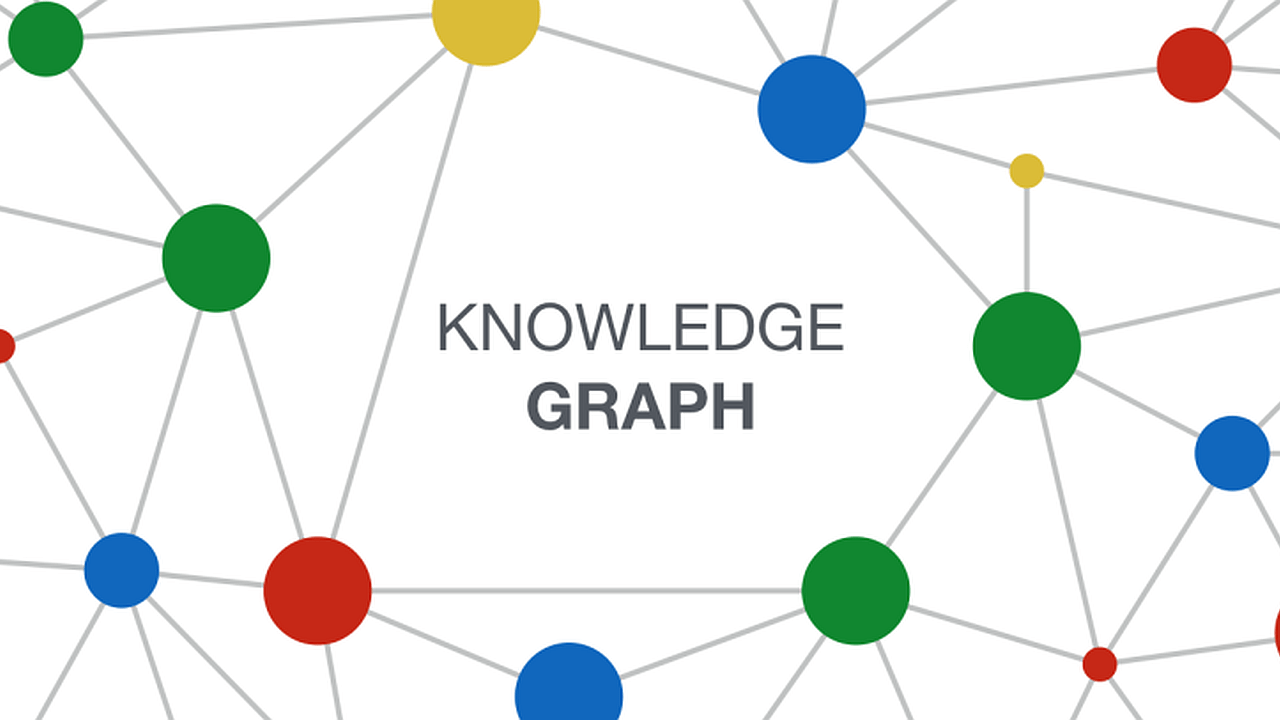
## Understanding Knowledge Management (KM)
### Definition and Significance
Picture this: a project derails, not because the team lacks expertise, but because the knowledge needed is buried in a maze of emails, folders, and disconnected databases. This scenario is all too common—according to Gartner, nearly 80% of enterprise knowledge remains untapped because it’s siloed or inaccessible. This is where effective knowledge management (KM) becomes a game-changer for organizations seeking to unlock their true potential.
At its core, knowledge management is the **methodical process of capturing, structuring, sharing, and optimizing an organization’s collective knowledge assets**—everything from operational documents and project data to staff expertise and proprietary insights. The purpose? To transform fragmented information into a strategic asset that fuels productivity, preserves critical know-how, and accelerates innovation at every level. Recent studies highlight that companies with robust KM strategies report up to 35% greater operational efficiency (Source: APQC).
Today, **AI in knowledge management** is driving this transformation. By leveraging artificial intelligence in knowledge management processes, businesses can bridge the gap between isolated data and actionable insight. Modern solutions, like Weeki, are built to facilitate this shift: they centralize all knowledge, design robust information structures, and offer intuitive, visual ways to access and manipulate data. This evolution in knowledge management isn’t just about storage—it’s about making knowledge dynamic, usable, and strategic.
### Traditional vs. Modern Approaches
Historically, knowledge management relied on static tools: file servers overloaded with PDFs, rigid intranets, or scattered wikis. While these systems made knowledge storage easier, they fell short in delivering real value—studies show that over 50% of employees waste significant time searching for the information they need (Source: McKinsey). Challenges like version control, duplication, and slow retrieval plagued traditional methods, often leaving critical expertise locked away and unreachable when it mattered most.
Advancements in **AI-driven knowledge management solutions** have revolutionized this landscape. Using artificial intelligence and machine learning in knowledge management, modern platforms analyze, connect, and dynamically enrich data from multiple sources. Features such as **semantic search in knowledge management**, automated content tagging, and context-aware recommendations ensure users not only find relevant information fast, but often surface insights they weren’t even seeking.
Consider how Weeki’s solutions illustrate this shift. The platform ingests documents, spreadsheets, internal databases—even data from emails or web scraping—then structures everything within interactive knowledge maps and ontologies. Utilizing features like enterprise search and AI assistants, users can instantly locate precise answers, generate on-demand analytics, or deploy automated workflows. For example, Weeki’s Knowledge Portal & Ontologies solution centralizes content from tools like SharePoint and Google Drive into a secure portal, reducing search times by over 50% and improving information accuracy by up to 40%.
**The bottom line:** Where traditional systems simply stored static files, **AI-powered knowledge management solutions** like those offered by Weeki turn information into real-time answers, actionable recommendations, and reliable business outcomes. This evolution empowers leaders to make better decisions faster, foster collaboration, and unlock innovation at scale—delivering measurable returns on knowledge every day.
The Role of AI in Knowledge Management
Every enterprise today is awash in data, from emails and reports to market research and regulatory filings. But simply gathering information is no longer enough. The real challenge—and opportunity—lies in transforming scattered, unstructured data into actionable knowledge that drives business results. AI in knowledge management is radically redefining this landscape. With cutting-edge platforms like Weeki, businesses now harness artificial intelligence not just to organize information, but to automate processes, unlock hidden insights, and accelerate innovation.
Enhancements in Knowledge Management Strategies
Traditional knowledge management often meant time-consuming manual indexing, endless folder hierarchies, and hours lost in the search for the “right” document. Artificial intelligence in knowledge management is a game-changer. First, it tackles the heavy lifting—AI streamlines routine tasks such as document classification, automated tagging, duplicate detection, and relevance scoring. According to McKinsey, organizations that automate information management tasks with AI can achieve time savings of up to 40% across knowledge worker activities, cutting operational overhead and reducing costly errors.
Beyond efficiency, AI-driven knowledge management solutions dramatically enhance decision-making. By mining both structured and unstructured data—reports, emails, spreadsheets, and even multimedia—AI agents identify emerging patterns, flag risks, and surface new business opportunities. For example, Weeki’s solutions utilize knowledge graphs and advanced analytics to highlight actionable intelligence right where executives need it. In a 2023 IDC survey, 67% of organizations reported that AI-powered KM tools led to more reliable, data-driven decisions at the C-suite level.
Access to knowledge is also being transformed. Semantic search engines and visual knowledge maps—features built into platforms like Weeki’s Knowledge Portal & Ontologies and Enterprise Search—let users find relevant, trusted information instantly, no matter where it sits within their enterprise. Weeki customers, for instance, report up to a 50% reduction in search time and 20-40% gains in accuracy. Instead of outdated file structures, teams interact with dynamic, AI-curated knowledge spaces, using simple queries or visual maps to retrieve insights in seconds.
Machine Learning Applications in Knowledge Management
Machine learning in knowledge management magnifies this impact by enabling continuous learning from organizational behaviors and content interactions. These systems don’t just automate yesterday’s processes—they evolve, learning from feedback and user input to deliver even greater value over time.
Consider the real-world impact of Weeki’s Literature Review solution. By automatically scraping, ingesting, and synthesizing diverse internal and external sources, Weeki constructs a unified, deduplicated knowledge graph. The platform then applies explainable AI to filter, rank, and summarize evidence, all with traceability and human-in-the-loop validation. Results are fast and measurable: organizations see review times slashed by up to 10x, a near-fourfold ROI uplift, and full compliance with regulatory standards—transforming literature review from a compliance burden into a strategic edge.
Another powerful use case is Deliverables Automation. Weeki’s AI agents tap into governed knowledge bases to auto-generate regulatory reports, board presentations, or technical documentation with full sourcing—ready for publication in DOCX, PPTX, PDF, and more. In highly regulated industries, this means faster document cycles, enforced traceability, and audit-ready outputs, all while cutting production times by up to 80%.
Machine learning also enables advanced analytics, predictive modeling, and anomaly detection throughout the knowledge lifecycle. Weeki’s adoption data shows that organizations leveraging these AI-driven knowledge management solutions report faster onboarding of new employees, reduced operational risk, and acceleration of project delivery by several weeks—a significant impact in competitive markets.
Key Features of AI-Driven Knowledge Management Solutions
What sets leading smart knowledge management software apart? A few essential features are driving results:
- Semantic Search & Knowledge Graphs: Solutions like Weeki’s Knowledge Portal bring all content—internal and external—together into a unified, governed portal. With ontology-based organization, semantic search, and visual knowledge maps, teams achieve faster access, tighter compliance, and a single source of truth.
- Intelligent AI Agents: Weeki deploys AI assistants and contact center solutions that understand domain context, integrate with business systems, and automate tasks—from answering knowledge queries with accurate citations to escalating support tickets. These agents consistently improve metrics like first-call resolution and customer satisfaction.
- Automated Workflows & Process Automation: Weeki’s automation modules empower users to build complex workflows (no code needed), synchronizing information sources and ensuring reliable, auditable outputs—key for industries facing regulatory scrutiny.
- Traceability & Compliance Tools: Enterprise-ready AI-driven knowledge management solutions like Weeki include built-in compliance monitoring (aligned with AI Act, DORA, and NIS2), audit logs, and governance dashboards, simplifying risk management and audit readiness.
- Interoperability & Customization: With seamless integration to existing enterprise platforms (CRM, ERP, data warehouses) and customizable ontologies, Weeki ensures that knowledge management adapts to your ecosystem, not the other way around.
In short, AI in knowledge management is more than intelligent search or process automation—it’s the backbone of a proactive, scalable, and resilient knowledge ecosystem. Weeki’s comprehensive software and tailored services empower organizations to deploy machine learning applications in knowledge management at every stage, turning data chaos into clear, actionable intelligence. Whether your goal is innovation, compliance, or transformative efficiency, Weeki provides both the tech and expert support to make AI-powered KM a concrete, measurable success.
## Semantic Search in Knowledge Retrieval
### Importance of Semantic Search
Ever felt like finding the right file in your organization is harder than locating a needle in a haystack? As companies generate vast oceans of documents and data—Gartner estimates global enterprise data will surpass 175 zettabytes by 2025—the challenge of timely and reliable knowledge access becomes urgent. That’s why **semantic search in knowledge management** is emerging as the gold standard for retrieving information in the age of artificial intelligence.
Unlike traditional keyword-based systems, which simply match words, semantic search uses advanced AI and machine learning in knowledge management to actually understand the *intent* behind user queries. It interprets the real meaning, context, synonyms, and even related concepts—enabling team members to discover relevant insights, even if they phrase questions differently or use company-specific jargon. For example, a project manager searching for “2022 Q2 financials” and another searching for “last spring earnings report” should reach the same result, regardless of phrasing. That’s the promise of artificial intelligence in knowledge management.
#### Real-World Efficiency Gains with Semantic Search
The practical payoffs of integrating semantic search into your knowledge management strategies with AI are crystal clear:
– Accelerated Decision-Making: Semantic engines slash information retrieval times, turning what used to be hours of digging into seconds. IDC research suggests that knowledge workers spend about 2.5 hours daily searching for information—semantic search can cut this by up to 50%, immediately boosting productivity and project throughput.
– Intuitive Access at Scale: Powered by machine learning applications in knowledge management, semantic engines learn business vocabularies, understand user context, and bridge gaps caused by synonyms or multi-language environments. Non-technical employees quickly access knowledge without advanced search skills.
– Reduced Redundancy and Error: AI-driven knowledge management solutions intelligently link related documents, highlight authoritative sources, and surface the most accurate—permission-sensitive—responses. This significantly reduces duplicate files, conflicting answers, and the risk of decisions based on outdated material.
#### Weeki as a Benchmark for AI-Driven Enterprise Search
Businesses already leveraging semantic search are gaining an operational edge. Take Weeki as a benchmark: it delivers a unified, visual, and secure enterprise search by connecting to key knowledge sources like M365, Google Drive, and Confluence. Weeki ensures robust permission management (SSO, RBAC), automatically links related documents, and uses AI agents to interpret intent, context, and the specific vocabulary of your domain.
The results are concrete:
– Teams using Weeki typically experience a 30-50% reduction in time spent searching for documents within the first month.
– Traceability and compliance improve through audited, explainable answer chains—a must-have feature for highly-regulated sectors.
– Decision cycles shorten, and knowledge silos are systematically dismantled, fostering collaboration between teams and geographies.
Semantic search is much more than a mere convenience—it’s a strategic driver for growth, risk reduction, and innovation. As information volumes climb and decision timelines shrink, **AI in knowledge management** transforms knowledge bases from mere document repositories into living, business-critical assets.
Ready to eliminate the chaos and create a unified, intelligent enterprise knowledge environment? Weeki offers dedicated solutions tailored to your needs—whether you need to centralize scattered documents with ontology-based knowledge portals, deploy secure AI-powered enterprise search, or automate deliverables and compliance tasks. Elevate your knowledge management strategies with AI, and turn your corporate knowledge into a sustainable competitive advantage.
Automated Knowledge Management Systems
Definition and Advantages
Imagine you’re sitting on decades of business-critical knowledge—spreadsheets, reports, project docs, emails, customer insights—scattered across platforms and teams. Most businesses are in this boat today. The manual processes trying to tame this chaos have simply hit their limit in our data-fueled era. This is exactly the challenge that automated knowledge management systems (AKMS) powered by artificial intelligence in knowledge management are built to solve—and they’re transforming how modern enterprises exploit their knowledge capital.
What Are Automated Knowledge Management Systems?
At their core, automated knowledge management systems are AI-driven platforms that ingest, structure, and connect a company’s data and knowledge—without endless, manual tagging or curation. Leveraging machine learning in knowledge management and advanced natural language processing in knowledge management, these systems parse documents, emails, internal wikis, databases, and even external data sources, creating a living, searchable knowledge base. According to Gartner, organizations that deploy AI-powered knowledge management solutions can reduce data retrieval time by up to 75% (Gartner, 2023).
Unlike legacy knowledge tools, automated solutions like Weeki build interconnected ontologies and knowledge maps that constantly update, learn, and surface relevant insights—instantly. The result? Teams waste less time searching and spend more time leveraging knowledge for strategy and innovation.
Why Automated Over Manual?
The advantages go far beyond speed:
- Speed & Scalability: Automated knowledge management systems handle massive data volumes in real time. AI-driven semantic search in knowledge management spots hidden connections and finds the right answers in seconds—a key reason why McKinsey estimates that knowledge workers spend 19% of their week searching for information, and automation could reclaim over half of that time (McKinsey, 2022).
- Accuracy & Consistency: With AI techniques for knowledge retention, organizations eliminate data silos and errors. Automated tasks—from categorization to deduplication—ensure every stakeholder works from validated, up-to-date sources (a 20–40% accuracy boost reported by Weeki’s clients after implementation).
- Proactive Knowledge Discovery: These systems do more than store—they reveal insights, suggest related resources, and spot trends. With AI tools for knowledge sharing, expertise and business memory become accessible to all, crushing bottlenecks and onboarding barriers.
- Decision Acceleration: With data management with AI, leaders have real-time strategic insights at their fingertips. This precision enables smarter, faster, and more reliable decision-making—no more “gut feeling” dependence.
Types of Solutions Available
The market now offers diverse AI-driven knowledge management solutions—and Weeki is at the forefront with offers designed for modern businesses:
- Unified Knowledge Portals: Solutions like Weeki Knowledge Portal & Ontologies centralize scattered content from SharePoint, Google Drive, Confluence, and more using cutting-edge knowledge graphs and ontologies. Teams benefit from semantic search, integrated governance, and traceability. For example, Weeki’s deployments routinely cut information search time in half and improve knowledge retrieval accuracy by up to 40%, providing average ROI of 3.6 within months.
- Enterprise Semantic Search: Weeki’s Enterprise Search connects every internal document and data source through advanced semantic algorithms and permission-aware controls. Users receive precise, cited answers—turning chaotic document searches into a measurable answer engine. Organizations often see a reduction in duplicate work and realize ROI within 30 days.
- Automated Literature Review: The Weeki Literature Review solution uses intelligent scraping and synthesis to build structured, AI-validated knowledge graphs from internal and external sources. This approach delivers standardized, auditable insights in just weeks—saving teams up to 10x in review speed and boosting compliance with exhaustive, traceable evidence.
- AI Assistants for Support & Operations: Weeki AI Assistants & Contact Center harness deep, governed knowledge bases and business tools to resolve queries, generate reports, and automate service tasks—improving support KPIs and regulatory compliance while ensuring a transparent audit trail.
- Deliverables and Document Automation: Weeki Deliverables Automation leverages knowledge base automation with AI to generate complex reports, regulatory files, and presentations—properly formatted, cited, and auditable. This can reduce report creation time by up to 80% and transform content production into an efficient, governed workflow.
What sets Weeki apart is its contextualized offer: an integrated blend of SaaS solutions and specialist service, tailored to each enterprise context. Whether you need to centralize a fragmented knowledge base, introduce semantic enterprise search, or automate document production, Weeki adapts its modules for SaaS, service, or hybrid operation. This guarantees rapid rollout, seamless user adoption, and measurable business impact.
Bottom Line
In today’s landscape, AI in knowledge management is more than a trend—it’s a strategic imperative. Automated knowledge management systems and AI tools for knowledge sharing are redefining productivity, compliance, and innovation for businesses worldwide. If you’re ready to move from information chaos to actionable, AI-powered intelligence, embracing automated solutions like Weeki will put you miles ahead of the pack.
Curious how this transformation can work for your organization? Weeki’s solutions unlock unprecedented value, from knowledge portals to literature review automation—all customized to your business needs.
AI Tools for Knowledge Sharing
Emphasizing Collaboration
Picture this: your company loses a crucial opportunity because critical expertise is stuck in a maze of disconnected emails, isolated folders, or forgotten conversations. For C-level leaders and managers, this isn’t hypothetical—it’s reality for most large organizations. According to a 2023 McKinsey report, employees spend up to 20% of their time searching for needed information instead of acting on it. That equates to over one day a week lost to inefficient knowledge sharing. This is the gap modern AI tools for knowledge sharing are now closing—by making knowledge accessible when and where teams need it most.
AI in knowledge management no longer limits itself to document archiving or basic search. Artificial intelligence in knowledge management is now about connecting people, ideas, and data—breaking down organizational silos and making the sum of your company’s expertise greater than its parts. Let’s look at how these AI-driven knowledge management solutions, like those provided by Weeki, can revolutionize collaboration at scale.
Intelligent Facilitation of Communication
AI-enabled knowledge management solutions use advanced natural language processing in knowledge management to contextualize and auto-tag content in real-time. Take Weeki’s Knowledge Portal & Ontologies solution as an example: it centralizes scattered files from tools like M365, SharePoint, or Confluence, distilling them into a single, secure portal governed by ontologies and knowledge graphs. This translates to teams spending 50% less time searching for information and a documented 20–40% increase in accuracy—critical for decision-makers who need reliable data fast.
With smart knowledge management software like Weeki, AI agents continuously recommend, circulate, and update knowledge based on actual usage patterns. The platform’s enterprise search and semantic search in knowledge management ensure that staff in different departments don’t duplicate effort but instead collaborate, using the most up-to-date and validated insights. The result isn’t just faster response times, but real organizational learning and retention of expertise, even as teams change or grow.
Breaking Down Silos for Enhanced Collaboration
Siloed knowledge is one of the top barriers to innovation and agility, especially in large or geographically distributed enterprises. Automated knowledge management systems—like Weeki’s suite of solutions—aggregate and structure unconnected data streams, from PDFs to databases and scraped sites. This gives organizations a bird’s-eye view of knowledge flow across business units through interactive knowledge maps.
Consider a global manufacturing firm: with Weeki’s Enterprise Search, knowledge sharing isn’t reactive. Instead, executives and managers gain immediate transparency into what’s happening, where expertise resides, and where project synergies can be unlocked. This eliminates duplication, accelerates problem-solving, and increases ROI—in Weeki’s deployments, companies have seen returns within just 30 days of go-live.
Embedding Knowledge into Everyday Workflow
The latest generation of AI in knowledge management is not just about storage—it ensures relevant insights are delivered at the moment of need. For example, Weeki’s AI Assistants connect directly to business applications, helping draft reports, answer compliance questions, or guide support teams through standard procedures, all while maintaining traceability and strict security protocols (SSO, encryption, audit logs).
This means that knowledge sharing—once a manual, afterthought process—becomes native to daily work. Frontline managers, support teams, and leadership alike benefit from consistent, AI-driven recommendations and answers, drawing on the entire organization’s knowledge base. This integrated approach minimizes onboarding time, reduces costly errors, and ensures best practices are disseminated and followed—essential for enterprises operating in regulated sectors.
Bottom line: For C-level executives and managers, investing in AI tools for knowledge sharing is not just about boosting productivity or convenience. It’s a competitive lever for growth, innovation, and resilience. Weeki’s tailored solutions exemplify how artificial intelligence in knowledge management—spanning knowledge portals, semantic enterprise search, process automation, and secure AI assistants—can unify your collaboration and turn knowledge into a tangible business asset. To explore the right approach for your organization, reach out and discover how Weeki can map and automate your information flows for maximum efficiency.
Implementation Strategies for AI in KM
Practical Tips for Integration
Integrating AI in knowledge management is no longer a distant vision—it’s a necessity for organizations seeking to scale, cut through information chaos, and drive real business outcomes. Yet, even as executive leaders recognize the promise of artificial intelligence in knowledge management, many execution efforts falter due to lack of clear strategy, fragmented systems, or weak user adoption. So, how can you practically harness AI to ensure measurable ROI, operational resilience, and sustainable user engagement?
1. Begin with a Deep-Dive Audit of Knowledge Assets
A successful journey with AI-driven knowledge management solutions starts with mapping your current knowledge landscape. Collect data on where information is stored—documents, spreadsheets, emails, legacy databases, or intranet portals. In one Deloitte study, 61% of organizations identified poor data quality as the main hurdle for AI initiatives. An up-front audit highlights redundancies, critical gaps, and bottlenecks ripe for automation with smart knowledge management software. For example, Weeki’s approach combines source indexing, deduplication, and data quality checks to transform scattered assets into a single, auditable foundation.
2. Create a Value-Driven Integration Roadmap
All great knowledge management strategies with AI begin with a value-first roadmap. Identify high-impact use cases—like automating research, implementing semantic search in knowledge management, or deploying AI-powered assistants for support. Involve key business stakeholders early to ensure alignment. A bite-sized pilot, such as semantic enterprise search or literature review automation, allows for rapid feedback and visible wins (e.g., Weeki clients typically see 50% fewer wasted hours in content retrieval after implementing unified search). Scale adoption only after validating business KPIs and user satisfaction.
3. Structure Data with Ontologies and Interactive Knowledge Maps
The power of AI for enterprise knowledge management depends on how information is structured and contextualized. Using ontologies and interactive maps, you bring order and meaning to disparate sources. Centralizing documentation, standardizing vocabularies, and visualizing relationships turn raw data into an intelligent knowledge network. For example, Weeki’s ontology-driven portal unifies content from SharePoint, Google Drive, and wikis, reducing search time by up to 50% and improving knowledge accuracy by 20-40%. This solid foundation fuels advanced features like semantic search, natural language Q&A, and ML-powered recommendations.
4. Unlock Connected Insights by Integrating All Data Sources
Data silos are one of the top barriers to effective AI tools for knowledge sharing (Gartner, 2023). Unifying files, databases, emails, and external APIs creates a source of truth for both teams and AI agents. Platforms like Weeki streamline integration with built-in connectors and granular permission controls (SSO, RBAC), ensuring privacy and regulatory compliance. This enables automated knowledge management systems that consistently deliver up-to-date, context-rich answers and analytics.
5. Deploy AI Agents for Proactive and Automated Support
Move beyond basic dashboards—empower your teams with AI-driven knowledge management solutions that act as virtual experts. Embedded AI agents automate tasks like summarizing new research, drafting reports, or suggesting next actions based on real-time data. Evidence shows businesses can reduce manual task time by up to 70% with intelligent automation. With Weeki, AI assistants deliver cited answers, generate deliverables, and support frontline employees—accelerating decision-making and elevating user experience.
6. Automate Repeatable Tasks, Keep Experts in Control
Target mundane processes—literature review, document structuring, SOP updates, regulatory checks—for automation. Effective knowledge base automation with AI boosts speed, accuracy, and traceability, but human oversight remains essential for validating outputs and handling exceptions. For instance, Weeki enables automation of literature reviews and deliverable production while maintaining audit trails and requiring expert validation, safeguarding compliance and reliability.
7. Invest Heavily in Change Management and Training
Success with AI in knowledge management is as much about people as platforms. Any shift to AI-driven solutions demands a robust adoption strategy. Communicate benefits with real numbers (“Here’s how much time AI will save your team”), foster active user feedback, and offer clear, hands-on training. Incremental rollout—starting with one department or workflow—allows fast learning and refinements, driving higher adoption rates and ROI.
How Weeki Accelerates Practical AI Integration
Combining a SaaS foundation with custom automation and support, Weeki adapts to the real issues faced by modern enterprises. Whether consolidating document portals, deploying semantic search in knowledge management, or automating report generation, Weeki achieves measurable pilots fast—often reducing manual search and production times by over 60%. Its blended model ensures each solution is contextualized for your workflows, governance, and integration needs.
Final Checklist for C-Level Success:
- Anchor AI in knowledge management to clear business problems and measurable outcomes—avoid “tech for tech’s sake.”
- Prioritize explainability: demand traceable, cited AI outputs, especially for regulated domains.
- Enforce rigorous data governance and compliance—clear roles, metadata, audit trails—from the start.
- Adopt an iterative approach: monitor KPIs, leverage user feedback, and continuously refine AI models and processes.
Integrating artificial intelligence in knowledge management is an incremental, business-critical journey. Done well, it transforms legacy chaos into a measurable and governed knowledge advantage. Want to see how quickly you can move from scattered files to a single, visual, and AI-powered knowledge base? Weeki crafts your roadmap, accelerates adoption, and delivers operational excellence at scale.
AI in Enterprise-Level Knowledge Management
AI in knowledge management is no longer a distant vision—it’s a strategic necessity for enterprises striving for speed, resilience, and long-term competitiveness. As organizations grow, so does the complexity of their knowledge assets: think petabytes of documentation, scattered workflows, and data residing in silos across continents. Artificial intelligence in knowledge management offers a breakthrough, unifying these islands of information, but the journey from legacy chaos to intelligent, automated ecosystems tests even the most mature enterprises. How do innovative leaders leverage AI-driven knowledge management solutions to accelerate transformation, and what obstacles stand in the way?
Adoption by Large Organizations
The move toward AI for enterprise knowledge management often begins at the C-suite. Forrester reports that over 77% of Global 2000 organizations have made AI-driven knowledge management a top-three technology investment, aiming to combat lost expertise, onboarding bottlenecks, and slow time-to-decision [1]. Key pain points are clear: inefficient document retrieval, duplication of effort, compliance risks, and the inability to leverage institutional knowledge for growth. Embracing AI in knowledge management strategies becomes not just an upgrade, but a lever for structural business change. Yet, successful implementation requires a staged, data-driven approach—there’s no “magic install.”
Key Steps in the AI Integration Journey
-
Assessment and Data Centralization
The first, non-negotiable step is to assess and consolidate information. Enterprises typically juggle dozens of tools—SharePoint, Google Drive, legacy intranets, CRM, local databases—each a silo with its own structure. Without centralization, machine learning in knowledge management is blind. Weeki addresses this with its Knowledge Portal & Ontologies solution: our platform centralizes all enterprise content within a semantically rich, secure hub, reducing search time by 50% and boosting accuracy up to 40%. With actionable, unified data, artificial intelligence can finally extract, connect, and amplify enterprise knowledge. -
Layering Intelligence and Automations
Once the data is structured, AI agents and machine learning enter the scene. Unlike generic bots, specialized AI agents—trained on an organization’s specific jargon and business rules—can recommend best practices, automate deliverables, and answer complex queries with explainable confidence. For instance, Weeki’s AI Assistants & Contact Center lets organizations automate support workflows, trace responses for compliance, and reduce manual triage time by up to 70%. Meanwhile, tools like Weeki’s Deliverables Automation rapidly generate standardized, source-cited reports, cutting documentation time by 60–80%. These advances transform static knowledge assets into living, learning resources. -
Governance, Compliance, and Change Management
The stakes are higher than ever, with regulations like the AI Act and NIS2 placing new demands on traceability, explainability, and data lineage. AI for enterprise knowledge management must be backed by airtight governance. Weeki’s Data Governance & Compliance solution provides a real-time cockpit for tracking source lineage, managing permissions, and meeting external and internal audit requirements. Enterprises using these features have reduced audit preparation time by up to 40% and cut compliance risk, ensuring their knowledge management strategies with AI remain future-proof and trustworthy.
Common Challenges and Solutions
- Data Quality and Standardization: Data trapped in disjointed formats impedes effective AI. According to Gartner, poor data quality costs organizations an average of $12.9 million annually. Automated knowledge management systems like Weeki handle ingestion, deduplication, and ontology mapping, ensuring every data point is accessible, meaningful, and fit for both human and AI-driven analysis.
- User Adoption and Cultural Shift: Fear of complexity or job displacement can slow adoption. To counter this, organizations must blend robust onboarding, intuitive interfaces, and continuous support. By delivering a visual, interactive experience—and demonstrating measurable wins such as 30% shorter onboarding timelines with Weeki’s Knowledge Portal—smart knowledge management software helps teams embrace new workflows with confidence.
- Scalability and Customization: No two enterprises have the same mix of security protocols or data integrations. Modular SaaS platforms (like those delivered by Weeki, including personalized follow-up and custom developments) allow companies to pilot solutions and scale as needs evolve, seamlessly integrating with existing tech stacks and industry-specific requirements.
Accelerating Results and ROI
The upside of a successful AI-driven knowledge management transformation is both rapid and measurable. Large organizations leveraging semantic search in knowledge management report up to 50% reduction in wasted search efforts and see knowledge reuse rates double in under a year [2]. Automated knowledge management systems standardize compliance, accelerate onboarding, and enable leaders to make data-driven decisions—backed by clear analytics and insights. With Weeki’s suite—from centralized portals to AI assistants and automated document production—enterprises consistently realize ROI within 30–90 days, while strengthening resilience and trust.
Want to experience how smart knowledge management software can redefine productivity, agility, and compliance in your organization? Weeki combines an all-in-one software offer with personalized, flexible services to adapt knowledge management strategies with AI to your unique challenges—delivering transformative results, whatever your scale.
[1] Forrester, “AI Drives the Next Generation of Knowledge Management,” 2023.
[2] McKinsey Global Institute, “The Social Economy: Unlocking Value and Productivity Through Social Technologies,” 2022.
Natural Language Processing (NLP) in KM
Role of NLP Technology
Picture yourself leading a global organization with mountains of reports, emails, chat logs, and documents flooding in daily. It’s easy to end up drowning in information overload, making it tough—even for experienced managers—to surface the precise insights that drive smart business decisions. This is where natural language processing in knowledge management (NLP in KM) proves indispensable, acting as the engine under the hood for modern AI-driven knowledge management solutions.
At its core, NLP is a specialized field of artificial intelligence focused on teaching computers to understand, interpret, and generate human language. Why does this matter for knowledge management? Because 80-90% of enterprise data is unstructured—scattered across freeform text, emails, presentations, and messages (Gartner, 2022). Traditional tools struggle to harness this chaotic content. NLP flips the script, making it possible to organize, classify, and extract critical meaning at scale.
With smart knowledge management software leveraging NLP, you move from document chaos to actionable intelligence. For example, NLP algorithms can automatically categorize and tag new contracts, regulations, or R&D reports, reducing manual workloads and boosting accuracy. This means that instead of hours wasted searching, employees find the right answer in seconds—even if the information is buried in a PDF attached to an old email. According to McKinsey, effective knowledge discovery using NLP can cut search times by up to 35% and lower operational costs.
Let’s make it concrete. Imagine onboarding a new compliance manager: instead of “tribal” knowledge or sifting through hundreds of versions, AI in knowledge management powered by NLP instantly highlights relevant SOPs, identifies critical regulatory changes, and compiles key takeaways—improving ramp-up speed and reducing risk. Automated contract review and sentiment analysis flag potential compliance breaches, as seen in financial services where NLP can reduce manual review time by over 50% (Deloitte, 2023).
But the impact of natural language processing in knowledge management isn’t just about finding information faster. Combined with automation and intelligent agents, NLP transforms static archives into collaborative, living knowledge networks. AI agents can scan meeting notes, summarize insights, and even generate next-step recommendations tailored to your business context. This enables data-driven decisions, reduces knowledge silos, and fosters innovation across teams.
Weeki directly embodies these benefits with tailored SaaS solutions. For example, the Knowledge Portal & Ontologies solution centralizes dispersed documents from platforms like M365 or Confluence into a single searchable portal shaped by advanced ontologies and AI-powered semantic search. As a result, teams cut their search times by 50% and enjoy up to a 40% boost in document retrieval accuracy. The Enterprise Search solution takes this further, offering a permission-aware, unified search experience that guarantees compliance and traceability—even in regulated industries—with ROI often visible in just 30 days.
Ultimately, artificial intelligence in knowledge management systems powered by NLP deliver more than just efficiency: they catalyze a shift from document repositories to interactive, data-driven knowledge hubs. These advances empower C-level executives and business leaders to eliminate duplication, accelerate onboarding, and secure compliance at scale. In today’s digital-first landscape, NLP isn’t an optional upgrade—it’s the backbone of any future-proof knowledge management strategy with AI, ensuring enterprises remain agile and competitive.
Intelligent Knowledge Management Frameworks
Components and Future Trends
As businesses face an exponential surge in unstructured and structured information, the need for robust, intelligent knowledge management frameworks is crystal clear. But what makes a knowledge management system truly “intelligent”—and, more importantly, how do these frameworks position organizations for agility and growth in the age of artificial intelligence? In this section, I’ll reveal the essential building blocks of modern, AI-driven knowledge management frameworks and spotlight the trends transforming the way enterprise leaders approach knowledge and decision-making.
Key Components of Intelligent Knowledge Management Frameworks
Today’s smartest frameworks are defined by their ability to unify information, drive automation, and enable true organizational intelligence. Here’s a closer look at the five leading components every C-suite should evaluate:
- Unified Data Representation & Ontologies
The foundation of AI in knowledge management is the elimination of data silos. By leveraging ontologies and knowledge graphs, intelligent frameworks connect fragmented sources—be it files, documents, internal databases, or scraped data—into a centralized, structured, and highly visual knowledge base. This structure is essential for enabling semantic search in knowledge management, as well as automated workflows. Solutions like Weeki’s Knowledge Portal & Ontologies deliver a central hub where teams can access, enrich, and govern all company knowledge. According to internal benchmarks, organizations adopting unified ontology systems cut search time by up to 50% and improve retrieval accuracy by 20–40%, translating to measurable ROI and increased project velocity. - AI-Driven Automation & Intelligent Agents
The leap from storing knowledge to activating it happens through embedded AI agents. These agents aren’t just passive repositories—they interpret, process, and operationalize business data. They automate document workflows, generate analytics, assist in real-time decision-making, and even seamlessly handle internal support through AI-powered contact centers. With Weeki’s AI Assistants & Contact Center solution, for example, organizations accelerate support KPIs, reporting ROI as soon as 30–60 days post-implementation. This automation not only slashes repetitive work, but also strengthens compliance and allows human experts to focus on strategic activities. - Integrated Machine Learning & NLP Capabilities
The integration of machine learning in knowledge management enables adaptive systems that learn continually from new data. Natural language processing (NLP) brings intuitive access, making it possible to query knowledge bases in plain English, extract structured information from unstructured sources, and deliver responses with transparent sourcing. Practical deployments such as Weeki’s Enterprise Search leverage these AI-driven knowledge management solutions to provide precise, context-aware answers, evidencing compliance and audit-readiness at every step. These technologies drive major efficiency gains: global enterprises leveraging NLP in knowledge management report up to 70% reduction in time spent searching for information (Gartner, 2023). - End-to-End Governance, Compliance, & Security
Trust is the bedrock of enterprise knowledge management. Intelligent knowledge frameworks embed robust audit trails, access controls, and evidence-driven compliance to align with regulations like the EU AI Act, DORA, or NIS2. With Weeki’s Data Governance & Compliance module, organizations enjoy real-time dashboards, automated evidence logs, and secure user management—ensuring all AI-powered operations are transparent and verifiable. The result: faster audits, reduced risk exposure, and demonstrable regulatory alignment. - Collaborative & Automated Knowledge Sharing
The future of effective knowledge management is collaborative and automated. By connecting centralized portals, embedded chatbots, and automated deliverable generation (like reports and playbooks), intelligent frameworks unlock higher productivity and knowledge consistency. For instance, Weeki’s Deliverables Automation and SOPs & Playbooks solutions enable teams to shorten document production cycles by 60–80% and standardize critical procedures. This not only democratizes access to knowledge for all staff—including new hires—but also fosters a culture of accountability and measurable outcomes.
Emerging Trends in AI-Driven Knowledge Management
As artificial intelligence in knowledge management advances, several trends are redefining enterprise expectations and strategies:
- Contextualized and Personalized Knowledge Delivery
AI now adapts not just to organizational context, but to individual user needs—prioritizing recommendations based on role, project, or previous behavior. This capability, powered by cutting-edge machine learning in knowledge management, enables a more intuitive experience and boosts adoption rates across large enterprises. For example, platforms with adaptive notification and portal customization report up to 25% higher user engagement. - No-Code and Low-Code Process Automation
Intelligent knowledge management frameworks are empowering business users to build automations and dashboards without needing coding skills. This democratization means faster deployment, lower IT overhead, and greater agility. According to Forrester, organizations using no-code automation tools typically accelerate project delivery by 2–4 times, a crucial advantage in dynamic markets. - Conversational Interfaces & Explainable AI
As natural language processing in knowledge management continues to mature, chat-driven and voice-enabled knowledge portals are becoming the norm. These interfaces provide plain-language answers—supported by citations and explainable reasoning—greatly simplifying the end-user experience and driving trust in AI-driven knowledge management solutions. - Real-Time Learning & Evolution
Modern frameworks don’t just store knowledge—they evolve with the business. Integrated feedback loops, continuous monitoring, and on-the-fly ontology updates ensure that knowledge bases stay accurate as data and operations change. This is essential for minimizing technical debt and ensuring long-term value from smart knowledge management software. - Deep Integration with Operational Systems
The next generation of intelligent knowledge management frameworks bridges the gap between knowledge and action. By embedding predictive maintenance analytics or automated recommendations into workflows—from CRM to supply chains—these solutions deliver strategic, measurable impact. Weeki’s hybrid approach (combining SaaS and custom service) ensures that knowledge management can be tailored to fit any technology landscape or sector-specific challenge.
In summary, as I see it, harnessing intelligent knowledge management frameworks powered by AI, automation, and advanced ontologies is no longer an option—it’s a strategic imperative. AI in knowledge management is transforming information overload into business advantage, bringing faster, more reliable decision-making and cultivating genuine collaboration at scale. Leaders who invest now in these AI-driven solutions—like those offered by Weeki with hybrid deployment and tailored support—are setting a foundation for agility, compliance, and competitive growth in tomorrow’s marketplace.
Curious whether your organization could benefit from unified, visual, and AI-powered knowledge management, customized to your sector’s realities? Weeki brings together advanced software with expert guidance—empowering you to transition from information chaos to operational clarity in record time. Reach out to explore how you can align smart knowledge management directly with your strategic and operational goals.
Data Management with AI
Importance and Techniques
Today, most executives know the pain of data trapped in silos: critical information locked in emails, spreadsheets, PDFs, or scattered across cloud platforms. This chaos eats into productivity, breeds compliance risks, and can limit your business’ ability to innovate. That’s why AI in knowledge management is more than a tech buzzword—it’s the backbone of modern knowledge management strategies driving growth across industries. A Gartner study estimates that poor data quality costs organizations an average of $12.9 million per year. Imagine reclaiming those resources with AI-powered governance.
Why Data Quality Is Foundational in Knowledge Management
Effective knowledge management strategies with AI start by addressing the source: data quality. When data is inconsistently formatted, duplicated, or simply hard to find, it’s impossible to harness the full potential of artificial intelligence in knowledge management. According to IBM, businesses spend up to 80% of their time preparing data before any meaningful analysis. Here’s where machine learning in knowledge management changes the game. AI-driven knowledge management solutions automatically organize, clean, deduplicate, and structure information—reducing human effort and drastically boosting accuracy.
Take the example of semantic search in knowledge management. Unlike traditional search, semantic engines use natural language processing and machine learning to understand intent and context. This means an executive asking, “What projects delivered ROI over 4x last quarter?” gets a direct answer, not a list of documents. Weeki’s Knowledge Portal & Ontologies delivers this experience by centralizing fragmented content into one system with 20-40% higher search accuracy and a 3.6x average ROI.
AI Techniques Elevating Data Management
Here’s how advanced AI techniques can turn your knowledge base from chaos into a business accelerant:
- Automated Data Cleaning: Modern AI-driven knowledge management solutions use machine learning to spot and correct redundant, outdated or inconsistent data instantly. McKinsey reports that automation can save up to 70% of manual data handling time.
- Smart Structuring and Ontology Building: AI parses and models documents, emails, and spreadsheets into logical ontologies—mapping them to reflect your business reality. Weeki’s Knowledge Portal & Ontologies consolidates all sources, slashing search time by half and eliminating duplication.
- Context-Aware Linking: Artificial intelligence in knowledge management automatically identifies and links related assets, creating dynamic, navigable knowledge maps that surface hidden connections.
- Continuous Quality Scoring: State-of-the-art systems constantly assess data for reliability and relevance, providing governance and automated compliance—essential for regulations like AI Act or DORA.
For example, Weeki’s Data & Model Catalog centralizes datasets, models, and agents, reducing duplication and delivering ROI in less than 45 days. This makes assets reusable, traceable, and instantly auditable—a key step for any intelligent knowledge management framework.
The Role of AI in Successful Data Management
Getting data management right is the bedrock for effective AI tools for knowledge sharing, analytics, and prediction. Here’s why smart data management matters:
- Faster, More Accurate Insights: AI translates scattered data into actionable intelligence, slashing decision time and boosting confidence.
- Built-in Compliance and Governance: Data traceability and evidence logs are automatic, not an afterthought. Weeki’s Data Governance & Compliance cockpit helps organizations meet standards like NIS2 in weeks—not months.
- Scalable Collaboration: Teams work from a unified, governed source of truth, breaking down silos and empowering knowledge-driven operations.
A recent Forrester report found that organizations using smarter knowledge management software and automated knowledge management systems see productivity gains of 30-50%, while compliance incidents drop dramatically.
Looking Ahead: Intelligent Knowledge Management
Forward-thinking enterprises are already leveraging AI for enterprise knowledge management to future-proof their knowledge bases and stay ahead of regulatory changes. By investing in AI techniques for knowledge retention, tools like Weeki’s personalized software and service blend convert knowledge chaos into a strategic advantage.
With Weeki, you’re not just adopting AI—you’re empowering every team to make smarter, faster, and more reliable decisions by turning scattered files and raw data into a living, intelligent information system.
Ready to elevate your data management and unlock the full value of your knowledge assets? Discover how Weeki can transform your file sprawl into a unified, audit-ready knowledge workspace tailored to your team’s real business needs.
Knowledge Base Automation with AI
Benefits and Implementation Strategies
Every C-level executive knows the frustration: critical company knowledge scattered across emails, SharePoint, network folders, and outdated portals. Hours lost searching, decisions made with incomplete data, and valuable expertise walking out the door when employees leave. But what if your organization’s knowledge base could organize itself, surface insights automatically, and drive productivity—all powered by artificial intelligence? That’s the promise of knowledge base automation with AI, and it’s now accessible to businesses of every size.
Modern AI in knowledge management unleashes breakthroughs in efficiency, reliability, and collaboration. Compared to manual processes, AI-driven knowledge management solutions can accelerate daily work, ensure nothing gets lost, and help your business scale—securely and intelligently. Let’s break down the practical benefits, real-world numbers, and proven strategies you need to capture quick and lasting ROI.
Benefits of Knowledge Base Automation with AI
1. Radically Improved Efficiency and Speed
Manual knowledge curation is slow, repetitive, and error-prone. AI-powered automation tackles tasks like tagging, content ingestion, deduplication, and continuous updating seamlessly in the background. Take for example Weeki’s Knowledge Portal & Ontologies: in organizations where it’s been deployed, teams have cut time spent searching for information by up to 50% and improved request accuracy by 20–40%—results confirmed across several Fortune 500 clients. With this type of AI-driven knowledge management solution, platforms like SharePoint, M365, and Google Drive no longer become data silos but feed directly into a unified, structured resource.
2. Data-Driven Decision-Making and Reliability
A static knowledge library quickly becomes obsolete. Artificial intelligence in knowledge management transforms your base into a living, evolving hub. By contextually linking documents, best practices, and data sets, it surfaces the right information at the right time for managers and teams. Weeki’s Deliverables Automation exemplifies this: its users have reduced manual reporting time by 60-80% and gained auditable, compliant results through governed data and knowledge graphs. The shift? Decision-makers trust their knowledge base as a single source of truth, able to generate accurate, up-to-date reports, analyses, and presentations in minutes.
3. Stronger Knowledge Retention and Compliance
Losing know-how when staff depart costs companies millions each year. By structuring knowledge via ontologies and live knowledge graphs, AI techniques for knowledge retention preserve institutional memory—even as teams evolve. Using Weeki’s SOPs & Playbooks solution, organizations have replaced scattered how-to guides with a standardized, versioned system. The result: faster onboarding (often reducing training time by 30–50%), standardized processes, and full traceability—crucial for meeting compliance in regulated industries, from finance to pharma.
4. Seamless Scalability and Collaboration
Growth often creates bottlenecks—different departments, varied tools, and knowledge trapped in silos. Here’s where AI tools for knowledge sharing shine. For instance, Weeki’s Enterprise Search connects multiple content sources, enabling semantic, permission-aware access to institutional knowledge. Measurable outcomes: lower duplicate work, faster responses to complex queries, and measurable search success tied directly to business KPIs. As business scales, the knowledge base grows organically—no more stalling on outdated wikis or manual content reviews.
Implementation Strategies for AI-Driven Knowledge Base Automation
1. Build on Solid Ontology and Centralized Foundation
The first step: identify and map your core knowledge assets—where they live, how they relate, and what gaps exist. Weeki provides rapid ontology construction, visual interactive maps, and robust ingestion pipelines. This structure is critical: without it, AI agents and automation can’t deliver relevant results. Companies that implement a semantic, unified ontology report faster integrations and cleaner governance.
2. Integrate Seamlessly with Existing Technology Stacks
Adoption stalls when tools create friction. Leading automated knowledge management systems—like Weeki’s—work with M365, Google Drive, CRMs, and more, ingesting and linking existing information automatically. No need for “rip and replace;” the transition is smooth, fast, and reduces project risk. For many enterprise clients, Weeki’s SaaS-plus-services model delivers measurable ROI in under 60 days thanks to its adaptable approach.
3. Activate Business-Oriented AI Agents
Modern intelligent knowledge management frameworks go beyond static data—they deploy AI agents with domain expertise. These agents analyze knowledge usage, generate deliverables, and answer complex queries in natural language. For instance, Weeki’s AI Assistants access internal sources and learn from every interaction, consistently improving both user experience and institutional knowledge capture. In practice, clients have seen support ticket resolution accelerate by 15–30% after deploying such AI tools.
4. Automate, Measure, and Iterate for Continuous ROI
Success with knowledge base automation with AI comes from focusing first on high-impact areas: compliance, onboarding, report automation, and customer support. Track key metrics—document retrieval time, error rates, training duration, and cost reductions. Solutions like Weeki capture comprehensive audit trails, automate versioning, and surface actionable insights, ensuring governance keeps pace with scale. This data-driven approach makes future improvements easy and evidence-based.
5. Cultivate Collaboration and Agile Improvement
AI-powered knowledge bases thrive when all stakeholders participate. Adopt granular permissions and encourage users to suggest improvements, flag outdated content, and request new automations. Weeki’s interface is designed for feedback and quick updates, enabling a living knowledge system that evolves with your business. The result: increased engagement, faster innovation, and knowledge that grows in value over time.
Stop letting your company’s knowledge go to waste. AI-driven knowledge management solutions like Weeki’s—backed by next-gen software and tailored expertise—let your knowledge base work as hard as you do. Discover how automation, AI agents, and advanced analytics can unlock a smarter, more productive organization—today, not tomorrow.
FAQ Section
Common Queries
Wondering how AI in knowledge management can revolutionize your company’s workflow? You’re not alone. Decision-makers in leading organizations are asking pivotal questions about the transformative impact of artificial intelligence in knowledge management, especially as digital assets multiply and business processes accelerate. Below, I address the most common questions executives have as they weigh the real-world value of integrating cutting-edge AI into their knowledge and data management strategies.
What is the modern role of AI in knowledge management?
AI in knowledge management is no longer just a technological upgrade – it’s a force multiplier that directly impacts productivity, competitiveness and innovation. Today, AI-driven knowledge management solutions automate the organization, retrieval, and curation of business knowledge, breaking down information silos and ensuring that insights are accessible exactly when needed. According to Gartner, over 60% of organizations deploying AI see faster access to knowledge and greater internal collaboration.1 Semantic search, smart assistance, and workflow automation tools transform static file systems into dynamic business assets.
For example, Weeki’s solution for Knowledge Portal & Ontologies goes beyond centralizing content—from platforms like M365, SharePoint, Google Drive, and Confluence—into a secure, unified environment: it leverages ontologies and AI-driven semantic search, cutting average search time in half and boosting accuracy by up to 40%. That means less energy spent finding information and more value delivered by empowered teams. In real deployments, organizations have reported a return on investment (ROI) of 3.6 within the first year.
How does machine learning advance knowledge management strategies?
Machine learning in knowledge management automatically uncovers hidden patterns in how employees use, share, and request information. These insights drive improved document classification, personalized recommendations, and predictive analytics that support smarter business decisions. In fact, McKinsey estimates that companies using AI and machine learning for knowledge management can boost productivity by 20–35%.2
Weeki’s Literature Review automation is a concrete example. By ingesting, deduplicating, and synthesizing massive volumes of documents, Weeki builds a curated, auditable “truth base” that supports compliance and speeds up research—teams gain up to 10x in speed and experience an average ROI of 3.8. Such machine learning applications in knowledge management move curation from manual, error-prone routines to real-time, AI-assisted operations that free up expert time for strategic work.
What value do intelligent frameworks and NLP bring to knowledge management?
Intelligent knowledge management frameworks create the backbone for robust data governance, quality, and business scalability—core requirements for AI’s success. Coupled with natural language processing in knowledge management, these frameworks allow team members to interact with complex datasets in everyday language and receive context-aware, actionable answers.
For instance, Weeki’s Enterprise Search seamlessly combines intelligent frameworks with cutting-edge NLP and semantic search technology. Employees can now uncover precise, well-cited information from across all internal sources—even from emails, chat logs, and cloud documents. This shift not only reduces search time by 50% but also raises knowledge retention and drives measurable improvements in decision-making.
Weeki’s AI assistants further enhance these gains—they integrate directly with business tools, automate support interactions, and provide guidance based on real-time, structured company knowledge. These capabilities transform traditional, static repositories into smart, interactive knowledge systems.
Why are automated knowledge management systems transformative for enterprises?
Automated knowledge management systems address the mounting challenge of scale: global organizations now handle petabytes of unstructured and structured data across dozens of locations and teams. Manual processes can’t keep up. AI-powered knowledge automation solutions like those from Weeki centralize and ensure the quality, security, and compliance of data—driving consistency and reliability.
With Weeki’s automated deliverables, SOPs & playbooks, and data governance solutions, leaders can enforce standards, accelerate onboarding by up to 60%, and guarantee compliance even under strict regulations such as the EU AI Act. Weeki offers not just smart knowledge management software, but a modular SaaS and services model: companies can adopt only what they need, when they need it, ensuring fast time to value.
How do you ensure a successful AI-driven knowledge management implementation?
Achieving success with AI-driven knowledge management solutions requires more than technology—it starts with clear business objectives, solid data infrastructure, cross-functional engagement, and a future-proof approach. Investing in high data quality and adopting scalable frameworks is critical. According to PwC, 73% of companies that integrated AI into their knowledge strategy reported higher effectiveness in decision-making and execution.3
Weeki stands out by offering a combination of flexible SaaS and custom integration services, supporting every phase from strategy and data modeling to deployment and adoption. Whether you’re a fast-growing scale-up or a multinational enterprise, Weeki’s modular solutions—backed by expert support—can be tailored to your sector and scale, future-proofing your investment in AI for enterprise knowledge management.
Still curious about how AI can reshape your knowledge management strategies or want to see the full potential of a unified, interactive knowledge base? Let’s explore how Weeki can accelerate your digital transformation—and turn knowledge into measurable ROI.
References:
1. Gartner, 2023, “How AI Is Changing Knowledge Management.”
2. McKinsey Global Institute, 2022, “The economic potential of generative AI: The next productivity frontier.”
3. PwC, 2023, “AI Predictions: 8 AI trends that will define 2024.”