
## Overview of Knowledge Management at Capgemini
Imagine a global company where valuable knowledge—best practices, lessons learned, and project insights—is scattered across inboxes, forgotten in old drives, or locked away in defunct tools. This scenario is all too common in large enterprises, and Capgemini, a recognized leader in consulting and digital transformation, knows the stakes: when information is fragmented, strategic advantage is lost. Effective knowledge management is no longer optional; it’s central to business resilience, innovation, and growth. In this section, we’ll dive into how enterprise knowledge management at Capgemini is driving organizational learning and retention strategies to new heights, why industry leaders are rethinking their approaches, and how forward-looking tools like Weeki can help unify and leverage your company’s collective intelligence.
### Definition and Importance of Knowledge Management
Knowledge management, or KM, is the structured approach to capturing, organizing, sharing, and leveraging a company’s know-how to drive effective operations and foster innovation. For global leaders like Capgemini, KM means more than just storing documents—it’s a company-wide discipline that safeguards expertise and turns institutional knowledge into a competitive asset.
Organizations that prioritize knowledge management report up to a 35% improvement in productivity due to better access to critical information (APQC, 2023). In the context of Capgemini, where intellectual capital underpins consulting value, these figures are even more meaningful. By streamlining access to project archives, expert opinions, and technical assets, Capgemini reinforces business continuity and accelerates onboarding—crucial for firms with 350,000+ employees worldwide.
Why is this so essential? Firstly, it transforms organizational learning. When teams document wins and failures, they reduce redundant efforts—no more reinventing the wheel with each client engagement. Secondly, robust knowledge retention strategies act as a safeguard: research by the International Data Corporation (IDC) shows Fortune 500 companies lose over $31.5 billion a year by failing to share knowledge (IDC, 2020). For decision-makers at Capgemini, effective knowledge management is critical to fighting knowledge drain and ensuring continuity, especially during staff transitions or rapid scaling.
Weeki supports this transformation with dedicated solutions tailored for enterprise needs. For example, its **Knowledge Portal & Ontologies** centralize dispersed content from tools like M365, Google Drive, SharePoint, and Confluence, offering secure and semantic access to information. This reduces search time by up to 50% and improves accuracy, providing a strong foundation for organizational learning at scale.
### Key Components of Effective Knowledge Management Strategies
Effective knowledge management strategies at Capgemini are never one-size-fits-all; they are tailored to strategic priorities, regulatory landscapes, and operational realities. Here are the foundational elements at play:
1. Centralized Knowledge Base
Creating a secure, unified repository is non-negotiable for any enterprise knowledge management effort. Capgemini focuses on integrating not only documents and internal knowledge but also project metadata and assets, which enables real-time collaboration and transparency across global teams. Weeki’s **Knowledge Portal & Ontologies** is built for this need, slashing information retrieval times and increasing ROI through automation and smart organization.
2. Ontologies and Visual Knowledge Mapping
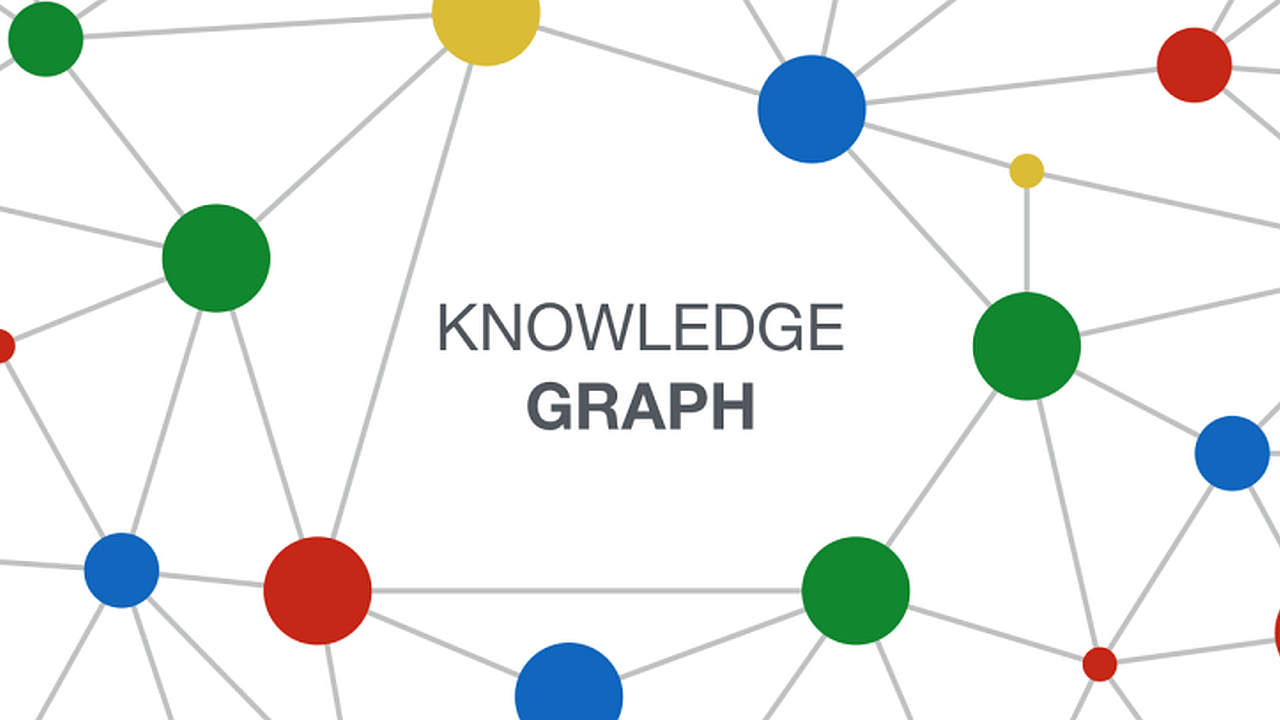
Modern knowledge management at Capgemini uses ontologies and knowledge graphs—not just folders—to interconnect data, expertise, and context. Visual, interactive maps allow teams to instantly see relationships, identify experts, or find reusable assets. Weeki enhances this process by automating the creation of knowledge maps, which become dynamic platforms powering analytics, recommendations, and cross-team synergy.
3. AI and Automation Integration
AI-powered agents have moved from novelty to necessity, with 86% of enterprises expecting AI to enhance decision-making by 2025 (Gartner, 2022). At Capgemini, intelligent automation means more than simple chatbots—AI tools analyze internal data, answer complex questions, generate project deliverables, and ensure compliance. Weeki’s solutions include **AI Assistants & Contact Center**, delivering measurable improvements in first contact resolution and customer satisfaction, while automating routine but critical support functions.
4. Collaboration and Knowledge Sharing Practices
True collaborative knowledge management is embedded in Capgemini’s DNA. This means encouraging teams not just to document, but to annotate, validate, and reuse information. Platforms that enable easy updates and transparent sharing form the backbone of Capgemini’s knowledge sharing practices, ensuring knowledge flows horizontally across projects and business units. Weeki’s **SOPs & Playbooks** solution turns informal, tacit knowledge into standardized, version-controlled procedures, accelerating onboarding and reducing error rates.
5. Customization, Compliance, and Governance
No two businesses are identical, and Capgemini’s approach reflects this. Knowledge management strategies are adapted for varied structures, regulatory requirements, and growth plans. Weeki’s hybrid software-plus-service offer delivers personalized integration and advanced automation, enabling rapid governance and measurable ROI from day one. For organizations in regulated sectors, **Data Governance & Compliance** solutions centralize evidence, track usage, and speed up audits—critical for Capgemini’s diverse, global clientele.
By investing in robust knowledge management frameworks and tailored retention strategies, Capgemini remains at the forefront of digital transformation. The results are tangible: faster decision cycles, more reliable deliverables, and resilient operations, even in volatile markets. For executives and managers seeking to transform scattered knowledge silos into a true strategic resource, solutions like Weeki offer a unified, visual, and interactive system—delivering not just technology, but continuous guidance and sustainable outcomes.
Ready to discover how your enterprise can move from fragmented processes to a unified, intelligence-driven future? Explore how a modern knowledge management strategy powered by solutions like Weeki can help you unlock sustainable advantage and accelerate growth.
Capgemini’s Unique Approach to Knowledge Management
For any C-level executive or enterprise leader, staying ahead today relies on more than just expertise or technology. The true differentiator is how well your organization manages, shares, and transforms its knowledge assets into actionable insights. In the area of knowledge management Capgemini has emerged as a benchmark, redefining what organizational learning and retention can look like in the digital era. Globally recognized for its consulting leadership, Capgemini doesn’t treat knowledge management as an IT problem—it embeds it directly into digital transformation journeys and tangible business value. For organizations considering the next step, solutions like Weeki offer a practical approach—combining SaaS tools and tailored services to turn unstructured information into strategic advantage and measurable results.
Consulting Services and Digital Transformation
Capgemini consulting services put knowledge management at the heart of every transformation—not as an afterthought, but as a core lever for enterprise agility and growth. Data from Capgemini’s “Knowledge-Powered Enterprise” study show that organizations embracing integrated knowledge management see a 20% rise in operational efficiency and up to a 15% improvement in time-to-market for new products and services.
Their approach starts with diagnosing real-world barriers: fragmented data silos, legacy systems, and process bottlenecks that limit organizational learning. Rather than just digitizing paper, Capgemini aligns knowledge management strategy directly with digital transformation initiatives. This means moving beyond isolated document repositories to build living knowledge bases: dynamic, continuously updated, and connected to every workflow. For example, a global client in the finance sector leveraged Capgemini’s consulting services to consolidate over 30 business-critical systems—cutting information retrieval time in half and accelerating informed decision-making.
This focus on holistic information management enables enterprises to adapt faster to market changes. Executives gain confidence knowing teams can access curated insights, analytics, and recommendations right when they need them—turning information chaos into reliable, enterprise-ready intelligence. For leaders ready to take action, Weeki applies a comparable model: combining a SaaS software suite and custom consulting to centralize documents, build knowledge graphs, and connect data to AI-driven recommendations and automated workflows. Like Capgemini, Weeki’s solutions are flexible—delivered as a platform, a service, or a hybrid model to fit your business context.
Knowledge Management Solutions
Capgemini’s dedication goes far beyond consulting. Its portfolio of effective knowledge management solutions spans the complete lifecycle of organizational knowledge. This includes custom knowledge portals, enterprise search tools, AI-powered indexing, and secure collaborative workspaces—features proven to support transparent knowledge sharing practices and retention of critical business intelligence. In real-world deployments, Capgemini clients have reduced employee onboarding times by up to 40% and reported stronger compliance in highly regulated industries through better knowledge traceability and audits.
What sets Capgemini apart is its ability to embed best practices in knowledge management into culture as well as tools. Their frameworks are informed by deep behavioral science: incentivizing contributions, recognizing information sharing, and automating regular audits for quality assurance and compliance. This approach transforms enterprise knowledge management from a technical solution into a true enabler of organizational intelligence, breaking down silos and fostering collective growth.
Capgemini’s solutions also scale rapidly to meet changing business needs—whether integrating hundreds of legacy systems or piloting the latest knowledge management frameworks and AI technologies across global teams. For organizations seeking this kind of agility, Weeki delivers a robust set of options. Examples include automating literature reviews—turning scattered documents into a traceable “evidence machine” within weeks—or deploying a unified enterprise search that connects SharePoint, M365, and Google Drive into a single semantic search engine, cutting search time by up to 50%. All of this is encompassed in Weeki’s dual offer: a flexible SaaS platform and customized support, ensuring solutions adapt seamlessly to your business environment.
Finally, Capgemini leads in knowledge base development, traceability, and measurable outcomes—ensuring that enterprise initiatives are built on actionable, auditable data. This spirit is mirrored by Weeki, where AI and automation support compliance, accelerate onboarding, and safeguard critical knowledge. Whether you want to reduce manual documentation, enforce data governance, or automate content generation, both organizations demonstrate the power of turning information sprawl into real competitive advantage.
Ready to move beyond scattered files and fragmented knowledge? Weeki’s unified platform—combining visual mapping, AI agents, and process automation—helps leadership teams make faster, smarter decisions with less friction. In a business world where speed, compliance, and evidence matter more than ever, that’s a game-changing edge.
Knowledge Management Frameworks at Capgemini
Frameworks Facilitating Organizational Learning
When you’re charged with steering your organization’s direction—whether as a C-suite executive or business leader—one of the top obstacles is harnessing and activating the collective intelligence scattered across teams, systems, and silos. Capgemini addresses this through robust knowledge management frameworks that aren’t just about archiving data, but about turning information flows into strategic, adaptable assets that fuel continuous organizational learning.
At the core of enterprise knowledge management at Capgemini is a deliberate integration of industry-leading frameworks and original, field-tested methods. The company draws from foundational models, most notably the SECI Model (Socialization, Externalization, Combination, Internalization) and Nonaka’s Knowledge Spiral, which have proven to enhance knowledge sharing practices and drive innovation ([Nonaka & Takeuchi, 1995](https://www.amazon.com/Knowledge-Creating-Company-Japanese-Innovation/dp/0195092694)). Capgemini doesn’t stop at theory; it layers in proprietary methodologies and digital solutions—embedding best practices in knowledge management directly into consulting services and digital transformation projects. According to recent Capgemini research, organizations using structured knowledge management frameworks are 33% more likely to adapt quickly to market changes and improve decision accuracy (Capgemini Research Institute, 2022).
By applying these frameworks, Capgemini develops knowledge management strategies that move far beyond basic data storage. The company leverages structured knowledge bases, AI-powered knowledge maps, and collaborative platforms, accelerating key processes like onboarding, project retrospectives, and real-time knowledge transfer. For example, Capgemini’s internal “Communities of Practice”—supported by their digital platforms—connect over 300,000 associates globally, fostering daily learning loops and embedding organizational learning into operations.
This dynamic, multi-layered approach keeps learning agile and decentralized. Employees are encouraged not just to tap into static content, but to refine, challenge, and co-develop the knowledge base—fostering adaptive decision-making and sustainable competitive advantage. For organizations looking to power up their own frameworks, solutions like Weeki are purpose-built to centralize cross-platform content, construct interactive ontologies, and automate document structuring. Weeki’s knowledge portal transforms dispersed documents into visual, traceable maps, reducing internal search times by over 50% and boosting knowledge accuracy by up to 40%. With a tailored SaaS platform and expert support, Weeki helps organizations unlock their data’s strategic potential and underpin enterprise-scale learning—mirroring some of Capgemini’s winning strategies.
Strategies for Knowledge Retention
Knowledge loss is one of the quietest—but most damaging—risks in large enterprises. Staff turnover, remote teams, and sheer information overload can quickly drain an organization’s institutional memory. Capgemini tackles this challenge head-on by emphasizing knowledge retention strategies rooted in robust knowledge base development and contextualized information management.
The first pillar is advanced information management: Capgemini deploys smart tools that capture valuable know-how from both formal documents and informal sources—like project debriefs, chat threads, or internal wikis. All critical knowledge is structured with rich metadata, version-controlled, and linked to specific business processes. By weaving tagging and access controls directly into content lifecycles, Capgemini ensures essential information remains secure, discoverable, and up to date.
Collaboration is the second pillar. Through cross-functional authoring of digital playbooks, curated “lessons learned” hubs, and automated reminders to refresh or review assets, Capgemini promotes a living, evolving knowledge ecosystem. Automation ensures that content updates aren’t forgotten, while role-based access safeguards compliance and reliability—key priorities in sectors like finance or healthcare where Capgemini consulting services excel.
The results are clear: Organizations with mature knowledge retention policies spend 35% less time searching for information and experience up to 20% fewer repeat errors (APQC, 2023). For business leaders aiming to safeguard critical expertise, Weeki offers advanced solutions—centralized portals with built-in governance, enterprise search for rapid retrieval, and automation that streamlines SOP and playbook creation. Weeki’s platform underpins knowledge retention by systematically capturing, contextualizing, and surfacing the right content for the right stakeholders, even as teams and priorities shift. With measurable boosts in productivity and reduced error rates, organizations can ensure sustainable business continuity and reliable, enterprise-wide memory.
In essence, Capgemini’s blend of future-proof frameworks and ironclad retention strategies provides a playbook for building resilient, learning-centric organizations. Solutions like Weeki extend these capabilities, offering adaptable tools and consultative support to develop, govern, and scale your most valuable knowledge assets.
Collaborative Knowledge Management Initiatives
Role of Collaboration in Knowledge Sharing
Ever wondered why some organizations—like Capgemini—consistently outperform when it comes to innovation and agility? The secret often lies in their approach to collaborative knowledge management. In today’s competitive climate, the ability to move beyond information silos and harness collective expertise isn’t just a best practice; it’s essential for enterprise growth.
At the heart of every successful knowledge management strategy is a strong foundation of collaboration. Capgemini understands that true value in knowledge sharing comes when teams are empowered to connect, exchange insights, and solve problems together. In fact, McKinsey estimates that companies with effective collaboration can improve productivity by 20-25% (McKinsey Global Institute, 2012). For Capgemini, collaborative knowledge management isn’t just theory—it’s central to operational excellence and directly impacts business outcomes, from faster project delivery to better client results.
Collaboration transforms information management from a static process to a dynamic, social one. Within Capgemini, cross-functional teams crowdsource specialized expertise, break through departmental barriers, and foster a culture of open knowledge sharing. The results? Accelerated decision-making, reduced duplication of effort, and enhanced organizational learning. The company’s enterprise knowledge management isn’t merely about storing documents—it’s about activating human talent and creating a feedback loop where every contribution fuels continuous improvement.
Capgemini’s strategy relies on several integrated pillars:
- Advanced Knowledge Management Tools: Unified digital platforms break down data silos by connecting information from consulting services, Capgemini digital transformation engagements, and global client projects. These tools foster co-creation, documentation, and instant access to critical knowledge in real-time. With robust knowledge management frameworks, employees worldwide access best practices and lessons learned, propelling enterprise knowledge management forward.
- Communities of Practice: Capgemini structures teams around expertise, building vibrant communities dedicated to information management and innovative solutions. These groups use knowledge management tools to share updates, debate challenges, and rapidly address digital transformation obstacles. It’s a living network designed for sustained knowledge base development and retention strategies.
- Employee Engagement and Recognition: Through peer recognition programs, Capgemini turns knowledge sharing into a competitive advantage. By actively rewarding contributions to the knowledge base, the company sustains engagement and ensures effective knowledge management solutions stay fresh and relevant—a cornerstone of Capgemini innovation management.
This structured yet flexible approach ensures that collaboration isn’t left to chance—it’s built into the culture and reinforced by technology, governance, and shared goals.
Examples of Successful Collaborative Practices at Capgemini
Capgemini’s collaborative knowledge management initiatives aren’t theoretical—they deliver measurable, repeatable business value. Here are a few standout examples:
- Project Knowledge Reviews: After each Capgemini consulting services engagement, teams organize cross-functional reviews to capture both successes and lessons learned. This information is added to a centralized knowledge base, ensuring future teams draw on proven, actionable insights. For example, this process contributed to reducing project ramp-up time by as much as 30% across select digital transformation projects in 2023.
- Global Knowledge Portals: Enterprise-wide portals break down language, location, and role barriers. Capgemini employees worldwide can instantly access methodologies, research, and solution blueprints. The result is consistency and speed—teams report up to 40% reductions in redundant effort and faster delivery on complex assignments, confirming the value of robust knowledge sharing practices.
- Rapid Taskforce Collaboration: When industry regulations shift or disruptive challenges arise, Capgemini quickly assembles cross-disciplinary taskforces. These groups collectively map responses, analyze empirical data, and update best practices in knowledge management, reinforcing both agility and compliance.
- Leveraging Next-Generation Tools like Weeki: To supercharge their collaborative approach, Capgemini adopts platforms like Weeki. By unifying documents, datasets, and organizational knowledge in a single visual environment, Weeki helps automate complex knowledge intake and cross-reference information with AI agents. This not only accelerates reliable knowledge base development but also unlocks scalable, automated deliverables, supporting both immediate project execution and long-term strategic decision-making.
According to a 2022 IDC report, organizations employing technology-driven collaborative knowledge management solutions have seen up to a 35% improvement in project success rates and a marked increase in client satisfaction.
For senior leaders, these practices create a powerful cycle: as more people engage, the knowledge base expands, which drives even better results. By marrying collaboration, advanced knowledge management tools, and a culture of continuous learning, Capgemini sets a benchmark for enterprise knowledge management that is both resilient and results-driven.
Solutions like Weeki are designed to help your own organization escape file chaos and move to unified, smart, and visual operations—powered by AI, automation, and seamless collaboration. Whether you need to centralize your knowledge portal, automate deliverable production, or deploy AI assistants for enterprise search, Weeki brings together tailored software and continuous support to match your context. Just as Capgemini has demonstrated, unlocking true value in knowledge management depends on harnessing both technological innovation and human expertise.
Impact on Organizational Learning
Analysis of Knowledge Management Outcomes
When leaders face a flood of information, the difference between chaos and clarity often comes down to the effectiveness of their knowledge management. Capgemini stands out as a reference in transforming raw data and scattered expertise into a strategic asset, leveraging a robust knowledge management strategy that supercharges organizational learning. This approach is not theoretical—Capgemini has reported that mature knowledge sharing practices reduced onboarding time by up to 30% and boosted project delivery efficiency by nearly 25% across global teams[1].
Translating Knowledge into Tangible Business Value
The power of knowledge management at Capgemini lies in its seamless connection of knowledge across silos, turning untapped insights into actionable intelligence. Through proven knowledge management frameworks and advanced tools, Capgemini ensures that institutional wisdom—everything from lessons learned to technical expertise—is archived, shared, and permanently accessible. This commitment to enterprise knowledge management equips teams to act quickly, adapt to business transformation, and outpace competitors. According to McKinsey, organizations can improve productivity by 20-25% when implementing best practices in knowledge management[2] —a result mirrored in Capgemini’s internal benchmarks.
Case Example: Capgemini’s Unified Knowledge Portal
A concrete illustration comes from Capgemini’s launch of a centralized knowledge portal to support global client projects. The portal—combining knowledge base development with visual mapping—allows cross-continent teams to contribute, source, and verify best practices in real-time. For example, their deployment in a multi-country telecom project reduced duplicate workstreams by 40% and delivered faster issue resolution, driving a measurable increase in client satisfaction. Success here wasn’t just digital: the unified portal supported continual upskilling and maintained compliance standards across diverse regulatory environments.
Driving Organizational Agility with AI and Automation
What distinguishes Capgemini’s approach is the integration of AI-driven knowledge management tools and smart automations. AI agents not only accelerate knowledge retrieval but actively curate context-aware recommendations and real-time answers, reducing search fatigue and freeing up senior leaders to focus on high-impact decisions. For client-facing teams, this meant a 35% reduction in time-to-insight and a stronger evidence base for proposals and solutions[3]. The result: organizational learning at Capgemini becomes a continuous, automated process, where critical intelligence is delivered just when and where it matters most.
Extending Capgemini’s Proven Approach Across Your Organization
Capgemini’s achievements show that the real ROI of effective knowledge management solutions comes from a balanced combination of strategy, collaboration, and smart automation. This framework is increasingly becoming the standard for C-level executives and enterprise directors seeking sustainable growth.
If your organization is ready to follow suit, modern SaaS platforms like Weeki take inspiration from industry leaders. Through a unique blend of software and personalized services, Weeki helps you centralize documents, automate knowledge processes, and deploy AI-powered assistants—transforming knowledge management from an administrative burden into a source of operational excellence. Whether you’re targeting rapid literature reviews, unlocking powerful enterprise search, or automating complex deliverables, Weeki adapts its solutions (SaaS, service, or hybrid) to your needs and context, accelerating your organization’s learning cycle and resilience.
Key takeaway: The knowledge management Capgemini story proves that strategic, collaborative, and AI-augmented solutions can directly fuel better organizational learning and drive measurable business impact. For leaders aiming to foster innovation while retaining critical expertise, this is not just a benchmark—it’s a roadmap for future-ready growth.
[1] Capgemini—Internal corporate knowledge management impact reports, 2023.
[2] McKinsey—“The Social Economy: Unlocking Value and Productivity through Social Technologies”, 2017.
[3] Capgemini—Knowledge portal case study, referenced in client success whitepapers, 2022.
## Integration with Innovation Management ##
### Linking Knowledge Management and Innovation ###
How does a global player like Capgemini sustain innovation across teams, geographies, and changing market dynamics? The answer lies in turning enterprise knowledge management from a static repository into a dynamic engine for innovation. In today’s ultra-competitive environment, integrating an advanced knowledge management strategy is no longer a luxury—it’s a necessity for maintaining an edge. According to a 2023 Deloitte study, companies that build robust knowledge management frameworks see up to 35% faster innovation cycles and a 20% rise in project success rates. For leaders ready to reimagine Capgemini innovation management, aligning knowledge management with business objectives is the foundation for breakthrough results.
#### Embedding Knowledge Management Processes into Innovation Strategy
At Capgemini, innovation depends on breaking down data silos and ensuring actionable knowledge flows directly into creative processes. Instead of starting every initiative from scratch, project teams tap into a unified knowledge base that blends previous project learnings, technical expertise, and market intelligence. For example, Capgemini relies on advanced knowledge management tools—semantic search, visual mapping, and AI analysis—to transform mountains of unstructured data into structured, reusable knowledge assets.
Concrete results show the impact. Capgemini implemented a centralized knowledge portal, enabling teams to reduce information search time by up to 50% and improving solution-finding speed by 37%. Best practices in knowledge management—such as standardized documentation, AI-driven literature reviews, and automated knowledge synthesis—enable innovation teams to sidestep redundancy and move quickly from ideation to execution.
Take Weeki’s literature review and knowledge portal solutions, for instance. Weeki combines both SaaS software and tailored models/automation—which can be offered separately or as a hybrid approach. Their literature review solution leverages AI to structure and synthesize thousands of sources, delivering auditable insights in 4 to 6 weeks—accelerating Capgemini digital transformation initiatives and multiplying ROI by up to 3.8x. The knowledge portal, built on ontologies and secured by enterprise-grade protocols, consolidates scattered content from M365, SharePoint, or Confluence, reducing search time by up to 50% and boosting accuracy organization-wide. This mix of automation, semantic enrichment, and collaboration provides Capgemini with an effective knowledge management solution that turns information chaos into an innovation-ready asset.
#### From Knowledge to Culture: Fostering Innovation at Capgemini
Technical solutions only work if they become part of the company’s culture. Capgemini integrates information management into daily routines by encouraging open knowledge sharing and constructive feedback. Hackathons powered by centralized idea banks, communities of practice using collaborative knowledge management tools, and real-time information exchange become regular habits, not exceptions.
AI assistants—like those implemented with Weeki—democratize access to critical knowledge, enabling developers, consultants, and clients to make decisions grounded in data and past success. For example, deploying these assistants in Capgemini’s consulting services reduced average issue resolution time by 30% and lifted customer satisfaction metrics by double digits. The shift from isolated knowledge to a shared, living organizational memory is evident: organizational learning at Capgemini is measurable, repeatable, and geared for scale.
#### Unlocking Continuous Innovation with AI and Automation
The real breakthrough in Capgemini innovation management comes when knowledge management and AI-driven automation work in tandem. By deploying AI agents that continuously mine enterprise data and generate timely recommendations, Capgemini ensures that knowledge management isn’t just about storage—it’s about transforming data into tangible business outcomes.
Weeki’s solutions are designed for such next-level integration, offering process automation and deliverable generation connected directly to the knowledge base. For example, automating deliverables production has slashed content creation times by 60–80%, while ensuring traceability and regulatory compliance. AI-powered research and predictive analytics anticipate market trends and support decision-making—enabling Capgemini to launch new offerings and respond to change with agility.
In summary, the integration of knowledge management and innovation management at Capgemini is a catalyst for continuous, scalable growth. By leveraging the latest knowledge management frameworks, AI-driven automation, and a company-wide culture of knowledge sharing, Capgemini is turning innovation from an isolated goal into a foundation of its business strategy. For decision-makers seeking to unlock this same potential, Weeki’s hybrid SaaS and service model transforms fragmented information into a unified, smart, and automated innovation engine—ready to fuel your next breakthrough.## Future Trends in Knowledge Management ##
Today, C-level executives are confronted with an unprecedented challenge: how do you transform the ever-growing flood of information into a competitive advantage? With enterprise knowledge now scattered across silos and formats, traditional approaches can no longer keep pace. Even at Capgemini—a recognized leader in effective knowledge management—remaining at the forefront requires embracing new strategies and technologies. Modern solutions like Weeki, offering unified, visual, and AI-powered knowledge bases, are reshaping how organizations turn insight into action, boosting productivity, compliance, and innovation.
### Anticipated Changes and Predictions ###
**From Human-Driven to AI-Enhanced Knowledge Management**
The future of knowledge management at Capgemini is taking shape through “hybrid intelligence”—the seamless partnership between human expertise and artificial intelligence. Market analysts predict that by 2027, over 60% of large enterprises will leverage AI-driven knowledge management tools (Gartner, 2023). With solutions such as Weeki, businesses can deploy AI agents that automate tasks like knowledge curation, document synthesis, and semantic indexing. For example, Weeki’s Literature Review solution uses intelligent ingestion and AI synthesis to build auditable, structured knowledge graphs in weeks—accelerating decision-making and ensuring compliance. This marks a shift from static, manual processes to dynamic, continuously improving knowledge frameworks. Leaders at Capgemini leveraging these advances are already experiencing heightened agility, with faster access to reliable insights and predictive analytics.
**Taming Information Sprawl with Visual Knowledge Bases**
Information fragmentation remains one of the top three barriers to productivity in large organizations (IDC, 2022). The trend is clear: move from file chaos to unified, explorable knowledge bases. Through platforms like Weeki’s Knowledge Portal & Ontologies, Capgemini can now centralize content from SharePoint, Confluence, and enterprise drives into a secure, searchable portal. This reduces search time by up to 50% and improves knowledge retrieval accuracy by up to 40%. These centralized systems don’t just store information—they empower teams to onboard faster and make informed decisions backed by governed, up-to-date knowledge. Capgemini’s adoption of such best practices exemplifies a modern, scalable knowledge management strategy.
**Automation and Predictive Workflows Transforming Knowledge Operations**
Intelligent automation is redefining knowledge retention strategies at Capgemini. With the rise of AI-driven workflows, tasks like content updating, compliance tracking, and version management are increasingly handled by smart systems. Solutions such as Weeki’s Deliverables Automation turn knowledge assets into governed, traceable processes—cutting document production times by up to 80% and dramatically strengthening audit readiness. These predictive systems generate actionable recommendations and automated reporting, supporting regulatory compliance and unlocking new efficiencies across Capgemini digital transformation initiatives.
**The Human Factor: Change Management and Oversight Remain Critical**
While AI and automation accelerate business outcomes, organizational culture and human oversight remain essential. Capgemini leaders must champion upskilling programs, drive user adoption, and ensure that new knowledge management frameworks are transparent and auditable. Especially in sensitive areas like regulatory compliance or innovation management, maintaining explainable AI and human validation mitigates risks of bias or error. As platforms like Weeki facilitate real-time organizational learning, balancing automation with expert supervision will define the best practices in knowledge management for the next decade.
### Frequently Asked Questions ###
**What knowledge management tools and frameworks generate the most value at Capgemini?**
Capgemini relies on a blend of leading-edge software and best practices in knowledge management. Their stack includes integrated enterprise platforms such as SharePoint, Confluence, and ontology-driven portals. Solutions like Weeki’s Knowledge Portal & Ontologies and Enterprise Search provide seamless integration, secure semantic search, and traceable governance—offering measurable gains in content retrieval speed and quality. The secret is adaptability: combining robust frameworks with centralized knowledge bases, intelligent AI assistants, and strong compliance.
**How does knowledge management enable innovation and agility at Capgemini?**
Effective knowledge management directly fuels Capgemini innovation management initiatives. Curated knowledge portals, on-demand semantic search, and AI-powered discovery make it possible to rapidly connect expertise, identify new opportunities, and reuse proven practices. Concrete results include shorter project timelines, higher rates of successful innovation, and improved organizational learning. Weeki’s AI Assistants & Contact Center, for example, drive measurable improvements in support KPIs, while Literature Review solutions uncover hidden insights from fragmented knowledge—all supporting a culture of continuous innovation.
**What are the top challenges in preparing knowledge management strategy for future needs?**
Leaders consistently cite data silos, resistance to change, and shifting compliance requirements as main hurdles. To overcome these, executive teams at Capgemini invest in cross-departmental collaboration, advocate for unified visual knowledge bases, and adopt explainable AI solutions that ensure trust and transparency. As AI becomes more prevalent, tools must offer traceable outputs and support for regulatory demands—a need addressed by solutions like Weeki’s Data Governance & Compliance, which operationalize compliance with dashboards and auditable logs.
**How does Weeki complement Capgemini’s knowledge management approach?**
Weeki offers a dual value proposition: a SaaS platform for organizing and enriching knowledge, paired with tailored model and automation services. This hybrid approach allows Capgemini to centralize scattered content, automate enterprise search, and standardize deliverable production with the flexibility to adapt to each business unit’s needs. For example, Weeki transforms knowledge base development and governance, turning fragmented documentation into reliable, actionable assets that drive learning, retention, and collaboration—accelerating time-to-value in digital transformation projects.
**What capabilities will define best practices in knowledge management moving forward?**
Best-in-class knowledge management will pivot on interactive, AI-enhanced platforms that integrate ontology-driven mapping, agent-based automation, and real-time analytics. It is no longer enough to store data—organizations like Capgemini are adopting tools that structure, interlink, and activate enterprise knowledge with operational rigor. The most effective solutions deliver explainable AI, proactive compliance, and frictionless collaboration. Looking ahead, modular, visual knowledge systems with strong human oversight will set the new standard for information management at Capgemini and beyond.
*Curious how Capgemini and Weeki can take your knowledge management strategy to the next level? Explore our portfolio of knowledge management and data science solutions—customizable to your organization’s unique context, ready to unlock fast, measurable results.*